Trump’s Warpath: New Threats Signal Imperial Ambitions
Recent statements from Donald Trump reveal a potential embrace of increased military action and interventionist foreign policy. This approach, characterized by critics as "imperialism 2.0," contrasts with his past promises of peace and has even drawn criticism from parts of his own base. The implications for U.S. global engagement and domestic priorities are significant.

Trump’s Warpath: New Threats Signal Imperial Ambitions
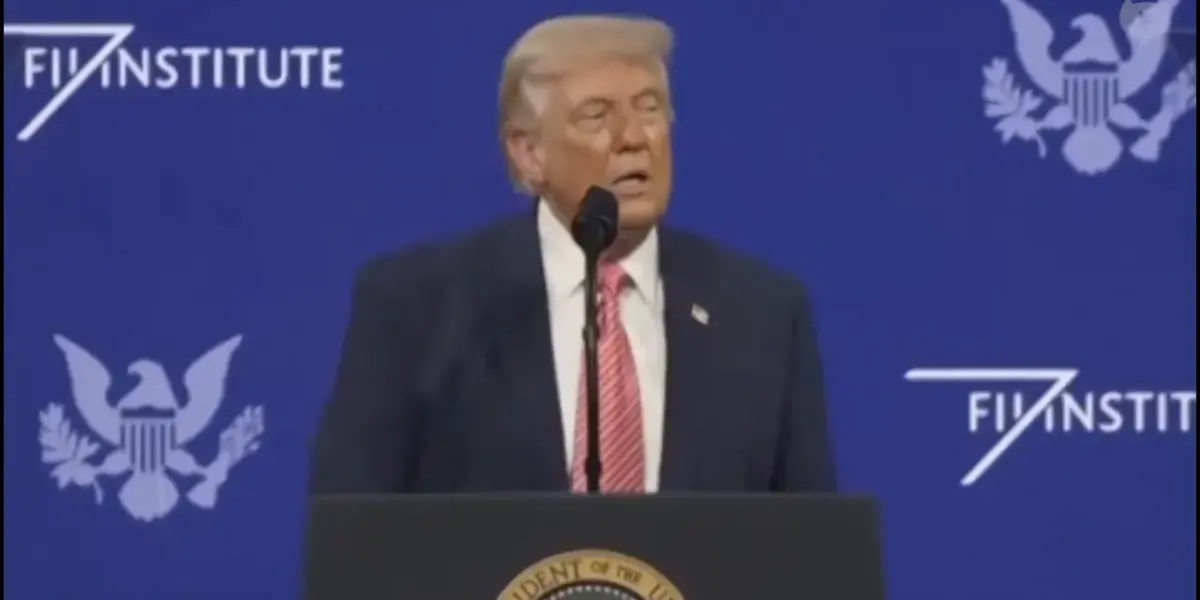
Recent statements from Donald Trump suggest a new foreign policy direction. He appears ready to embrace more military action on the global stage. This shift is especially notable given his past promises of ending wars and bringing peace. His focus seems to be on projecting strength and achieving what he calls “victory.” This approach alarms many, especially as it contrasts sharply with his campaign rhetoric.
MAGA Base and Foreign Policy
The core of Trump’s political support, the MAGA base, often prioritizes national strength and security. They also want to see America protected from hostile nations. Many in this base believe in protecting key allies like Israel and Saudi Arabia. They want the U.S. to appear strong and successful. Trump’s current actions seem to align with this desire for perceived strength, even if it means more international intervention.
“MAGA wants strength and they want victory. They want success. And that’s what we have. And we have been very very successful.”
A Shift from Campaign Promises
During his campaigns, Trump repeatedly promised to end endless wars and bring about an era of peace. He presented himself as a candidate focused on domestic issues and prosperity. He explicitly stated, “I’m not going to start a war. I’m going to stop wars.” He also warned against policies that could lead to a draft, suggesting his opponent would involve the nation in unnecessary conflicts. However, recent actions and statements paint a different picture.
There are concerns that Trump’s administration is not ruling out options like a military draft. Officials have stated that the president “wisely does not remove options off the table.” This suggests a willingness to escalate military involvement beyond current air campaigns. This stance is creating worry among parents about their children being sent into combat.
Cuba: The Next Frontier?
Trump has openly discussed his interest in Cuba. He has mused about “taking Cuba” in some form, whether by “freeing” it or simply asserting control. He views Cuba as a “weakened nation” with violent leaders. This rhetoric suggests a potential expansion of U.S. military or political intervention into the Caribbean. He sees this as an opportunity to solidify his legacy, similar to his perceived actions in Venezuela and Iran.
“I think Cuba is the end. You know, all my life I’ve been hearing about the United States and Cuba. When will the United States do it? I do believe I’ll be the honor of having the honor of taking Cuba.”
Imperialism 2.0?
Critics argue that Trump has fully embraced a new form of imperialism, dubbed “imperialism 2.0.” This involves using U.S. tax dollars for military adventures, seemingly for personal gain and legacy building. They point to his past term where promised domestic policies, like infrastructure or healthcare reform, often failed to materialize. Instead, tax cuts for the wealthy and personal enrichment, such as building a ballroom or acquiring a jet, took precedence. This pattern appears to be repeating in his current term, with a focus on foreign policy over domestic needs.
The strategy, as interpreted by some analysts, is about securing a place in history. Trump seems less concerned with the practical outcomes or the will of his voters and more focused on dramatic foreign policy actions. The idea is to achieve “regime change” in countries like Venezuela, Iran, and potentially Cuba. This ambition, however, ignores the complex consequences and potential blowback, especially concerning Iran and its strategic position in the Strait of Hormuz.
Backlash from the Base
Interestingly, this aggressive foreign policy stance is not universally supported, even within Trump’s own base. Many MAGA supporters at events like CPAC have voiced opposition to ground invasions, fearing economic consequences like higher gas and food prices. They also worry about creating more terrorists than they eliminate. Some former supporters feel that Trump has not delivered on his promises of domestic change and has instead pursued policies that benefit himself and his wealthy allies.
The sentiment is that Trump has “cosplayed as a populist” without truly delivering for the working class. His focus on personal gain, such as doubling his net worth and securing defense contracts for his family, is seen as a betrayal of his base’s interests. This disconnect between Trump’s actions and the desires of his supporters highlights a potential vulnerability.
Why This Matters
This potential shift towards a more interventionist foreign policy has significant implications. It raises questions about the future of U.S. global engagement and the allocation of national resources. If Trump prioritizes military action and legacy-building over domestic needs, it could lead to increased national debt and a diversion of funds from essential services. The rhetoric also risks escalating tensions with other global powers and could destabilize already volatile regions.
Furthermore, the disconnect between Trump’s actions and his base’s stated preferences could signal a broader realignment within the Republican party. It challenges the traditional conservative foreign policy principles and raises questions about what truly motivates the MAGA movement. The focus on personal legacy over policy delivery also raises concerns about the nature of political leadership and accountability.
Future Outlook
The coming months will be crucial in determining the direction of U.S. foreign policy under Trump. His continued focus on projecting strength and his willingness to consider military options, even against countries like Cuba, suggest a potential for increased international conflict. The debate over his approach highlights a fundamental tension between interventionism and isolationism within American politics. How this tension resolves will shape not only U.S. foreign relations but also the nation’s domestic priorities and economic well-being for years to come.
Source: BREAKING: Trump makes NEW THREAT on global stage (YouTube)

Related Articles
CPAC Divided: Trump’s Iran War Splits Conservative Base
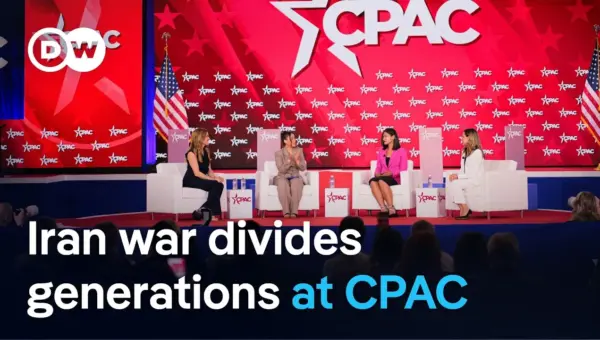
The annual CPAC gathering in Texas revealed deep divisions within President Trump's base over the U.S. war in Iran. While some supporters trust Trump's strategy, others, particularly younger conservatives, worry about the conflict's impact on the "America First" agenda. The conference also saw a notable absence of President Trump and other high-profile figures, contributing to a different energy compared to previous years.
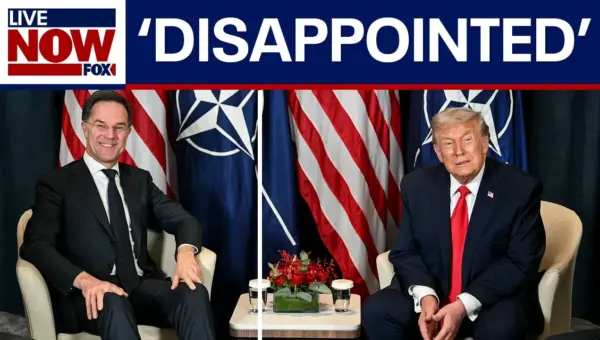
Trump Critical of NATO as Iran Conflict Escalates
President Trump voiced frustration with NATO's lack of involvement in the Iran conflict while the U.S. military prepares for a sustained campaign. Reports indicate significant damage to Iran's military, but tensions remain high with ongoing missile strikes and a recent attack on a Saudi air base wounding U.S. personnel.


MAGA Voters Divided Over Potential Iran War
The potential for a US war with Iran has sparked debate at CPAC, revealing a divided MAGA base. While some support military action, many express concerns over prolonged conflicts and rising economic costs, particularly higher gas prices.