Trump’s War: Vance’s Silence Sparks Outrage
As the U.S. engages in a joint war with Iran, Vice President JD Vance's silence is drawing sharp criticism. Amidst apocalyptic scenes from Iran and contradictory messaging from Donald Trump, this analysis examines Vance's muted response and the broader implications for American foreign policy.

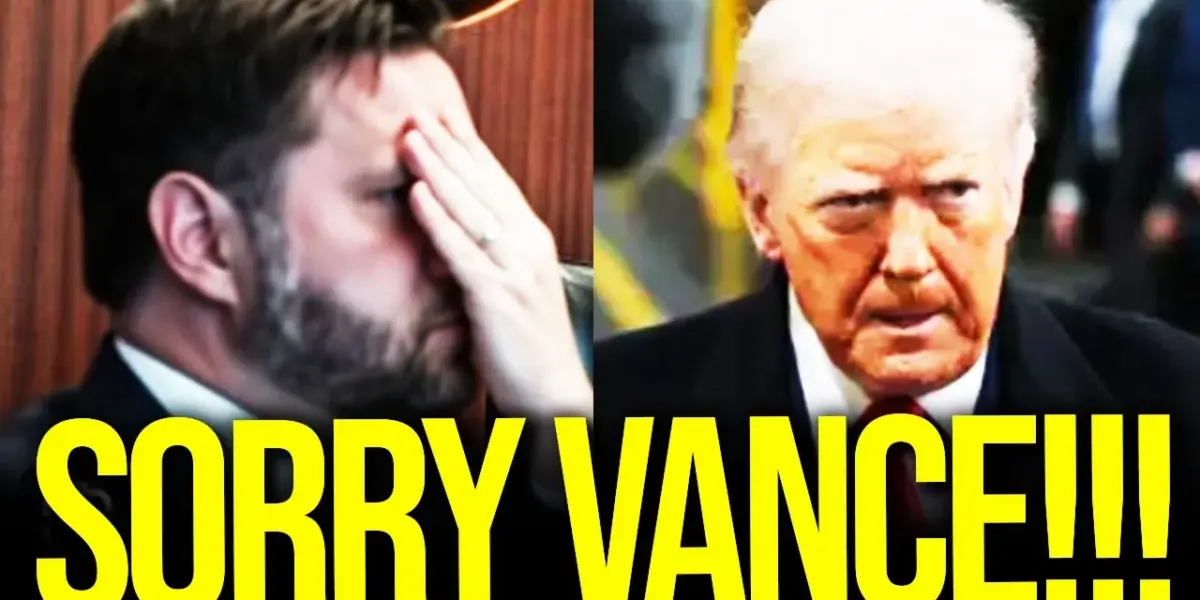
Trump’s War: Vance’s Silence Sparks Outrage
As the United States finds itself embroiled in a joint war with Israel against Iran, a crucial question echoes through the political landscape: Where is JD Vance? The Vice President, once a vocal critic of foreign interventionism, has adopted a conspicuous silence amidst escalating conflict, drawing sharp criticism from various quarters. This analysis delves into the implications of Vance’s quietude, the stark imagery emerging from the war-torn region, and the broader context of American foreign policy under the Trump administration.
The Specter of War in Iran
The current conflict, now entering its eighth day, has painted an apocalyptic picture of Iran. Reports detail devastating strikes on crucial oil infrastructure, including a major oil depot. The aftermath is described as an oil-slicked landscape, with towering black clouds of smoke reaching into the sky and walls of flame engulfing highways as spilled oil ignites. One journalist on the ground in Tehran described a surreal scene of “oil-filled rain” falling on the capital, a testament to the widespread destruction of oil facilities responsible for a significant portion of Iran’s oil production.
Vance’s Muted Response
Amidst this unfolding crisis, JD Vance’s public engagement has been remarkably minimal. Despite his past pronouncements against foreign wars and regime change, and his reputation as a “loud and argumentative” figure on various issues, Vance has posted only a handful of times on social media since the war began. These posts have largely focused on the dignified transfer of six fallen U.S. service members, a somber duty he attended. This reticence stands in stark contrast to his previous willingness to engage in debates, even advocating for regime change in Venezuela and criticizing domestic policies. His limited public commentary on the current conflict has been confined to a brief interview and a statement on Fox News, where he emphasized that the war would not be a “forever war.”
Echoes of Past Promises
Vance, a former service member himself, has built a political identity around an anti-interventionist stance. This principled position, seemingly genuine, is seen by some as one of the few consistent tenets of his political philosophy. He has previously articulated a clear desire to avoid protracted conflicts and regime change operations, aligning with a broader sentiment among a segment of the American populace weary of prolonged military engagements in the Middle East. His past statements on shows like Meet the Press underscore this aversion to “forever wars,” drawing upon the visceral memories of past destructive conflicts in the region.
Trump’s Contradictory Stance
Adding to the confusion and criticism is Donald Trump’s own public messaging. While attending a dignified transfer for fallen service members, Trump simultaneously declared that the war was “over” and that allies like the United Kingdom were no longer needed. This assertion directly contradicts the ongoing military actions and the grim reality on the ground in Iran. His dismissive tone towards allies offering support, coupled with his claim of victory while active bombing continues, has been decried as a sign of deeply flawed leadership. The discrepancy between Trump’s pronouncements and the unfolding events raises questions about the administration’s strategic objectives and its understanding of the conflict’s progression.
The Vice President’s Predicament
The situation highlights the often-precarious position of a Vice President. As noted by some observers, the VP is “on display, but seldom listened to.” Vance’s role, once envisioned as a key figure in a post-Trump Republican party, appears to have diminished in influence. He is perceived as less essential on economic policy than the Treasury Secretary, less influential on immigration than advisors like Stephen Miller, and less persuasive on foreign affairs than figures like Marco Rubio. This perceived sidelining may contribute to his current reticence, as he navigates the complex dynamics of an administration that often exhibits internal contradictions.
Historical Context and the Anti-Interventionist Movement
The debate surrounding American interventionism in the Middle East is not new. Decades of costly wars, beginning with the invasion of Iraq in 2003, have left a deep scar on public consciousness and fueled a strong anti-war sentiment. For a generation that came of age witnessing these conflicts, the prospect of renewed engagement is particularly unsettling. Vance’s anti-interventionist rhetoric taps into this deep-seated weariness. However, critics question the practical application of such a stance, arguing that a purely isolationist approach can be as detrimental as aggressive intervention, citing historical examples like World War II where intervention was deemed necessary to prevent greater catastrophe.
The Role of Tulsi Gabbard and Divergent Voices
Vance’s silence has also drawn comparisons to Tulsi Gabbard, another prominent voice against foreign intervention. Both figures, despite their different political backgrounds, share a common ground in their opposition to prolonged military engagements. The fact that Vance was reportedly not in key strategic meetings with Trump but instead with Gabbard, a known anti-interventionist, further underscores his perceived isolation within the administration’s foreign policy apparatus. This alignment with Gabbard suggests a shared disillusionment with the current trajectory of U.S. foreign policy.
Why This Matters
The current situation is critical because it exposes a profound disconnect between stated principles and observed actions within a major political party and its administration. JD Vance’s silence on a war that directly contradicts his publicly held beliefs raises serious questions about political integrity and the influence of anti-interventionist voices within the Republican party. The stark imagery from Iran serves as a potent reminder of the human and environmental costs of such conflicts. Furthermore, the contradictory messaging from Donald Trump, claiming victory while war rages on, undermines public trust and creates an environment of confusion regarding U.S. foreign policy objectives. The implications extend to the future of American foreign policy, particularly concerning its role in the Middle East, and the extent to which genuine anti-war sentiment can influence decision-making in Washington.
Implications, Trends, and Future Outlook
The events surrounding this conflict and Vance’s response highlight a growing tension within the Republican party between traditional interventionist foreign policy and a more isolationist, “America First” approach. The perceived failure of Vance to effectively champion his anti-interventionist ideals within the administration could signal a setback for this wing of the party. Conversely, the public outcry over his silence, and the shared sentiment with figures like Marjorie Taylor Greene and Tulsi Gabbard, suggests that the anti-war movement remains a potent force. The future outlook will likely depend on whether these dissenting voices can coalesce and exert greater influence, or if the pragmatic demands of governing, especially during wartime, will continue to marginalize them. The administration’s approach to this conflict, and the responses of key figures like Vance, will undoubtedly shape the ongoing debate about America’s role in the world and the efficacy of its foreign policy interventions.
“Where the hell is JD Vance? Where is Tulsi Gabbard? Because if they stand by and are silent and they’re they’re turning back on the same words they said, it’s all on video.”
Source: Trump SACRIFICES JD Vance as WAR EXPLODES (YouTube)

Related Articles
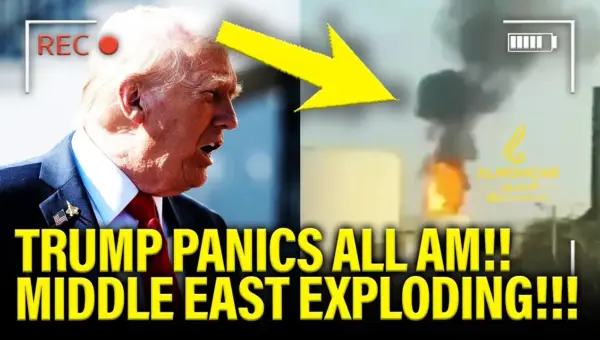
Iran Conflict Backfires: Trump’s War Fuels Unrest, Profits
Donald Trump's approach to Iran is reportedly backfiring, fueling public unrest in Tehran and sparking accusations of family members seeking to profit from a new drone company. The conflict's economic impact is evident with disruptions to oil infrastructure, while political rhetoric focuses on internal divisions.

Iran’s Pain Strategy: How Gas Prices Could Sink Trump’s Election Hopes
Iran's strategy to inflict maximum pain on the US through economic disruption, particularly rising gas prices, could significantly impact Donald Trump's political future. This analysis delves into Iran's calculated approach to deterrence and the broader regional implications.
Iran Names New Supreme Leader, Defying Trump and Israel
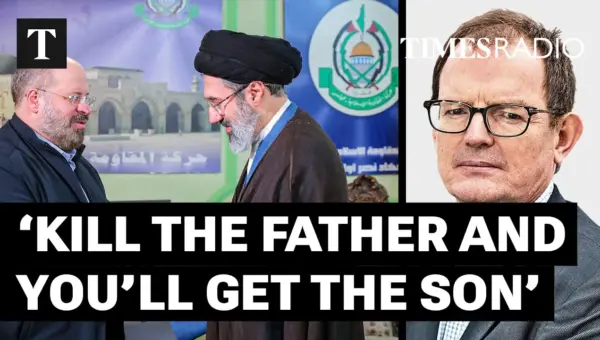
Iran has appointed Majtaba Khamenei, son of the late Supreme Leader Ali Khamenei, as the new head of state. This move is seen as a direct defiance to the US and Israel, especially after President Trump named Majtaba as an unacceptable successor. The appointment solidifies the hereditary aspect of leadership, a departure from theocratic tradition, and raises regional security concerns.