Trump’s War Threats: A Pattern of Bluster, Not Power
Donald Trump's history of extreme threats, particularly regarding Iran, reveals a pattern of bluster rather than genuine policy, according to analysts. This tactic, often followed by de-escalation, raises concerns about international stability and the role of the Republican party and media in enabling such behavior. The discussion highlights the difference between wielding power and abusing it, urging a more virtuous approach to governance.

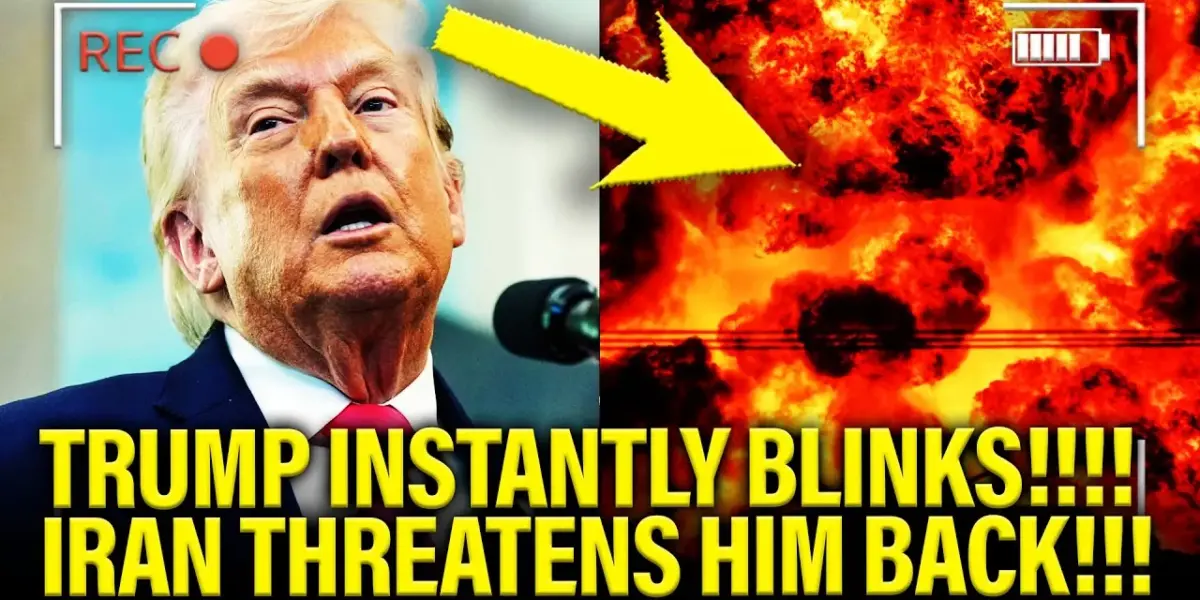
Trump’s War Threats: A Pattern of Bluster, Not Power
Donald Trump has a history of making extreme threats, especially concerning foreign policy. Recently, he made a statement that many interpreted as a threat to “obliterate the entire Iranian civilization.” This kind of language often causes a stir, not just in political circles but also in financial markets. It’s a pattern that has repeated itself, leading to questions about whether these threats are serious or just a tactic.
Following such strong statements, Trump often seems to back down or soften his stance. For instance, after the recent threat, reports emerged about progress in negotiations between the U.S. and Iran. This suggests a strategy of making extreme demands, facing backlash, and then finding a way to de-escalate, often through intermediaries. This approach has been criticized as reckless and dangerous, especially when dealing with international relations.
Historical Context: A Familiar Playbook
This isn’t the first time Trump has used such aggressive rhetoric. Throughout his presidency and since, he has employed strong, often inflammatory language. The goal, according to some analyses, is to project an image of strength and control. However, critics argue that this approach is actually a sign of weakness, born from feeling cornered or lacking real power in a situation.
When Trump feels he doesn’t have control, he tends to lash out. This pattern suggests that his extreme threats are not necessarily a reflection of his actual policy goals but rather a response to perceived pressure. The idea is to shock and intimidate, forcing others to react. Yet, this tactic can also backfire, alienating allies and strengthening the resolve of adversaries.
The Republican Party’s Role
The actions and rhetoric of Donald Trump are also seen as a reflection of the broader Republican Party. Many Republicans have either supported Trump’s extreme statements or remained silent, effectively enabling his behavior. This has led to a situation where the party is seen as largely compliant with Trump’s agenda, even when it involves dangerous rhetoric.
Some commentators suggest that this compliance stems from a fear of backlash from Trump or his supporters. Others believe it’s a calculated political strategy. Regardless of the reason, the result is a party that often fails to exercise its own independent judgment or to hold Trump accountable. This lack of oversight allows extreme rhetoric to become normalized.
Media’s Influence and Asymmetry
The media plays a crucial role in how these events are perceived. There’s a notable difference in how conservative media, like Fox News, and more liberal media outlets cover political figures. While liberal outlets might focus on the details and implications of Trump’s threats, conservative outlets sometimes downplay them or even turn them into jokes. This creates an information asymmetry, where different audiences receive vastly different accounts of the same events.
This difference in media coverage allows political figures on the right to often act with more impunity. When extreme statements are met with laughter or dismissal rather than serious scrutiny, it can embolden those who make them. Conversely, politicians on the left are often held to a much higher standard, facing intense criticism for even minor missteps. This imbalance can shape public opinion and influence election outcomes.
Wielding Power: A Matter of Will and Virtue
The discussion around Trump’s behavior also touches on how political power is wielded. Some argue that Trump, despite his controversial methods, demonstrates a clear political will to achieve his goals. This is contrasted with Democrats, who are sometimes seen as being held back by procedural hurdles or a reluctance to push boundaries.
However, there’s a crucial distinction between wielding power and abusing it. While Trump’s approach may show a determined will, it is often seen as destructive and lacking in virtue. The argument is that power should be used for the good of the people, to achieve positive outcomes like better healthcare or climate action, not to threaten entire civilizations. The goal for Democrats, as suggested, should be to learn how to effectively use their power for constructive purposes, without resorting to Trump’s aggressive and harmful tactics.
Why This Matters
The pattern of Trump’s aggressive rhetoric followed by de-escalation is more than just political theater. It has real-world consequences, potentially destabilizing international relations and creating uncertainty. The way political power is exercised, and the role of media in shaping public perception, are critical to the health of a democracy. Understanding this dynamic is essential for voters to make informed decisions.
Implications and Future Outlook
The future outlook suggests that this pattern of extreme rhetoric and its subsequent handling will likely continue. The Republican Party’s continued alignment with Trump, and the media’s role in shaping narratives, will be key factors. For Democrats and progressives, the challenge is to find effective ways to counter misinformation and to wield their own power constructively. The rise of independent media is seen as a positive step in this ongoing effort to provide alternative perspectives and hold power accountable.
Source: Trump INSTANTLY BLINKS as Iran THREATENS HIM in WAR!!! (YouTube)

Related Articles
Geopolitical Tensions Jolt Crypto, Bitcoin Hovers Near $68K
Geopolitical tensions surrounding Iran and potential impeachment proceedings are creating market uncertainty, with Bitcoin hovering near $68,000. Investors are cautiously awaiting resolutions to these critical global events.

US Strikes Iran Targets, Escalating Hormuz Tensions
U.S. forces struck IRGC military sites on K Island, avoiding civilian oil terminals. The action escalates tensions over the Strait of Hormuz, with potential for further strikes if the waterway remains closed.

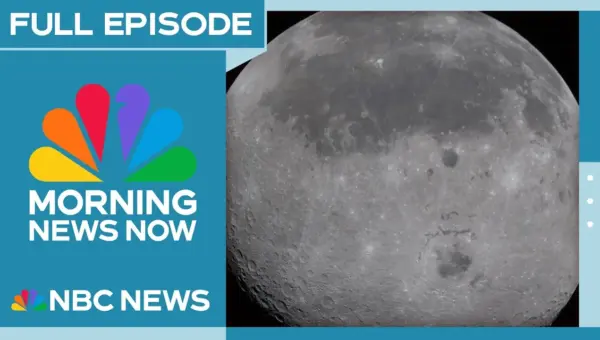
Artemis II Crew Makes History, Sees Full Far Side of Moon
The Artemis II astronauts have made history by becoming the first humans to see the entire far side of the Moon. The crew is now returning to Earth after a record-breaking journey. Meanwhile, Middle East tensions are high as President Trump issued a deadline to Iran, threatening military action.