Trump’s War Talk Threatens Military Law, Ex-JAG Warns
Former top military lawyer Steven Leper warns that Donald Trump's talk of taking Cuba and potentially disregarding rules could push the U.S. military toward illegal actions. Leper explains the critical difference between lawful and unlawful orders, stressing that while military members must obey orders, they have a duty to refuse those that command them to commit crimes.

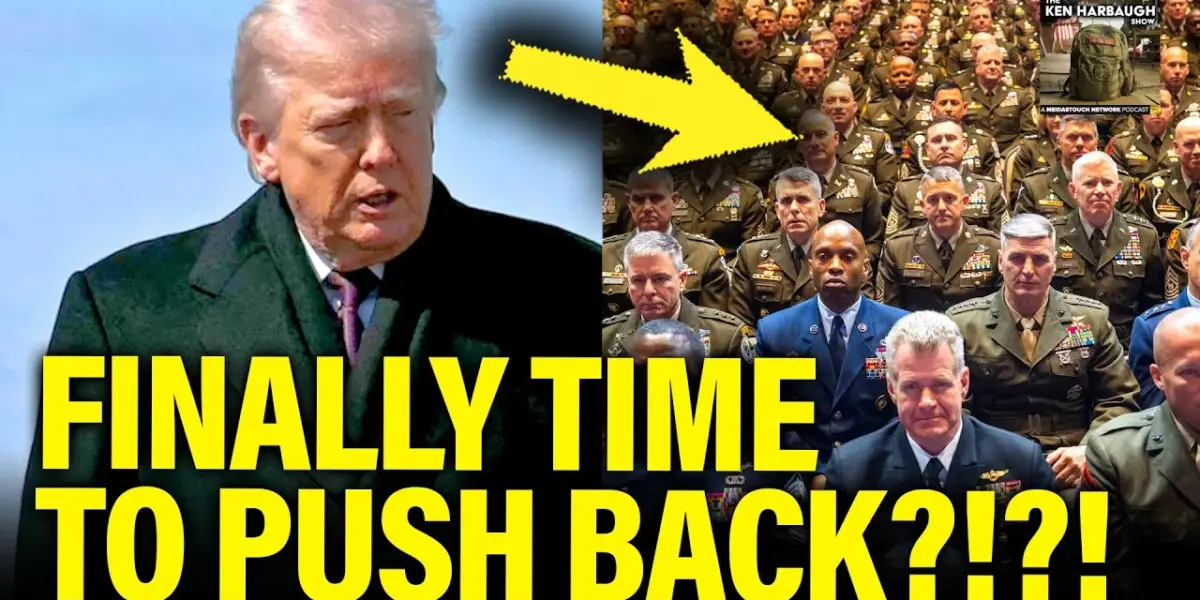
Trump’s Bold Claims Test Military’s Legal Limits
Donald Trump has made striking statements about potentially taking control of Cuba. He said he would have the honor of “taking Cuba” and that he could “do anything I want with it.” These remarks have raised serious concerns for legal experts and military observers. Ken Harbaugh of the Midas Touch Network noted that Trump’s words can sound so extreme they might seem AI-generated. He worries about a leader with a “lust for power” who believes he can use force to get what he wants.
Military as Trump’s Tool?
Harbaugh points out that as other government bodies struggle, the U.S. military remains a powerful institution that can deliver results for Trump. He suggests that departments like the Justice Department and Homeland Security have faced challenges. However, the military, even with recent leadership changes, is known for its ability to project power quickly. This makes it a tempting option for Trump, leading to the question of whether the military will resist unlawful commands.
Understanding Lawful vs. Unlawful Orders
To explore these issues, Harbaugh spoke with retired Air Force Major General Steven Leper. Leper served for 35 years as a JAG (Judge Advocate General), meaning he was a military lawyer. He is an expert on military law and the limits of executive power. Leper explained the crucial difference between a “stupid order” and an “illegal order.” This distinction is vital for understanding a service member’s duty.
“The first principle that we have to look at, we have to acknowledge is that there is a strong presumption in military law that all orders are to be obeyed.”
Leper stressed that military law starts with a strong belief that all orders must be followed. This is essential for maintaining good order and discipline, which keeps the military effective. Without this, the entire system could break down.
Defining Illegal Orders
So, what makes an order illegal? Leper explained that illegal orders are traditionally defined as orders to commit a crime. He gave clear examples like the actions during the My Lai massacre in Vietnam. In that case, a lieutenant ordered his soldiers to kill civilians, which was a clear violation of the laws of war and murder. Another example was the mistreatment of prisoners at Abu Ghraib in Iraq. Orders to engage in such unlawful behavior should have been disobeyed.
The Challenge of Modern Warfare
However, Leper admitted that defining illegal orders becomes much harder when situations are not so clear-cut. This is especially true with recent military actions, such as in Iran or the boat strikes. He noted that the military is being asked to do new things, making it difficult to find clear examples of illegal orders in these contexts. While some orders might be “stupid” due to poor planning, they don’t automatically become illegal.
For instance, if a pilot is ordered to strike a target, they must obey unless they know for sure the target is protected, like a church or a school where civilians are. If they don’t have that specific knowledge, the order to attack stands. Leper believes there isn’t a clear example of an illegal order for sailors, soldiers, and airmen currently operating in areas like the Persian Gulf.
JAGs’ Role Under Pressure
Leper also discussed the important role of JAG officers. Their job is to advise commanders on what is lawful and unlawful. This advice is critical in the decision-making process. He expressed concern over the Department of Defense’s decision to eliminate some senior JAG positions and to disregard “stupid rules of engagement,” as stated by Secretary Pete Hegseth.
Leper and other former JAGs worried that firing top JAGs signaled an intent to remove legal obstacles for the administration’s plans. He feels this fear has been proven right, as the military has been used in ways some argue are illegal to advance certain political goals. As a JAG, Leper was responsible for advising commanders not only on the laws of war but also on discipline and upholding the Uniform Code of Military Justice.
Why This Matters
The core issue is the potential for a president to abuse military power. Trump’s comments about Cuba, combined with Leper’s insights, highlight a dangerous path. If a leader views the military as a personal tool to achieve their ambitions, it could lead to illegal actions. The UCMJ and the advice of JAGs are designed to prevent this. However, if these legal safeguards are weakened or ignored, the military could be pushed to commit unlawful acts.
Implications and Future Outlook
This situation raises questions about accountability and the future of military ethics. The military prides itself on following lawful orders, but the line between lawful and unlawful can be blurred. If leadership encourages actions that push these boundaries, it puts service members in difficult positions. The decisions made now regarding military legal counsel and rules of engagement will shape how the U.S. military operates in the future, especially under potentially assertive leadership.
Historical Context
History shows us the devastating consequences when military force is used without regard for law. Events like My Lai and the abuses at Abu Ghraib serve as stark reminders. These incidents led to reforms and a renewed focus on the importance of legal oversight. The current discussions echo these past struggles, emphasizing the ongoing need for vigilance in upholding legal and ethical standards within the armed forces.
Source: Military Lawyer BREAKS SILENCE on Trump’s ILLEGAL WAR ACTS (YouTube)

Related Articles

Trump Halts Iran Strikes Amid Stalled Diplomacy
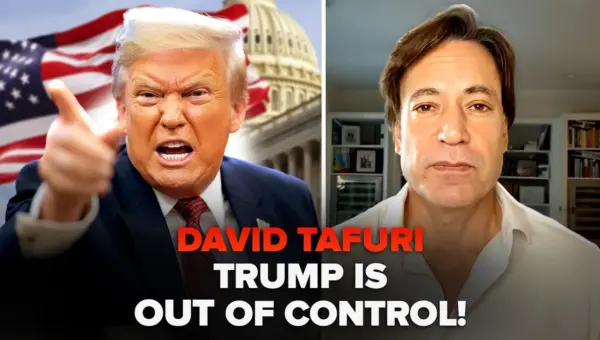
President Trump announced a pause on planned strikes against Iran, citing productive talks, though Iran denies negotiations occurred. Reports also suggest a potential U.S. ground operation on Iran's Hark Island. The situation raises concerns about international support for Ukraine and potential shifts in U.S. foreign policy.
Trump’s ‘Board of Peace’ Crumbles Amidst Global Conflict
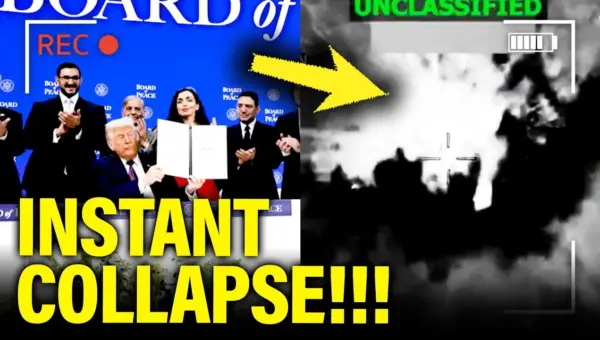
Donald Trump's 'Board of Peace,' launched with grand ambitions from Davos, faced immediate scrutiny over its $1 billion permanent membership fee. Despite attempts to secure ceasefires, the initiative appeared to falter as global conflicts, including strikes on Iran, escalated, leaving its intended purpose overshadowed.
Trump Ignored Iran War Warnings, Aides Feared Retaliation
President Trump allegedly ignored repeated warnings from his own intelligence agencies regarding the dangers of escalating conflict with Iran. Reports suggest his administration was unprepared for predictable responses like the closure of the Strait of Hormuz and significant depletion of munitions. Many within the White House reportedly suppressed their concerns for fear of repercussions.