Trump’s War Talk Sparks Fury, Divides Even His Allies
Donald Trump's aggressive rhetoric regarding a potential conflict with Iran is drawing criticism not only from opponents but also from his own MAGA supporters and conservative media like The Wall Street Journal. Concerns are rising over the extreme nature of his threats, which some see as a betrayal of the "America First" platform.

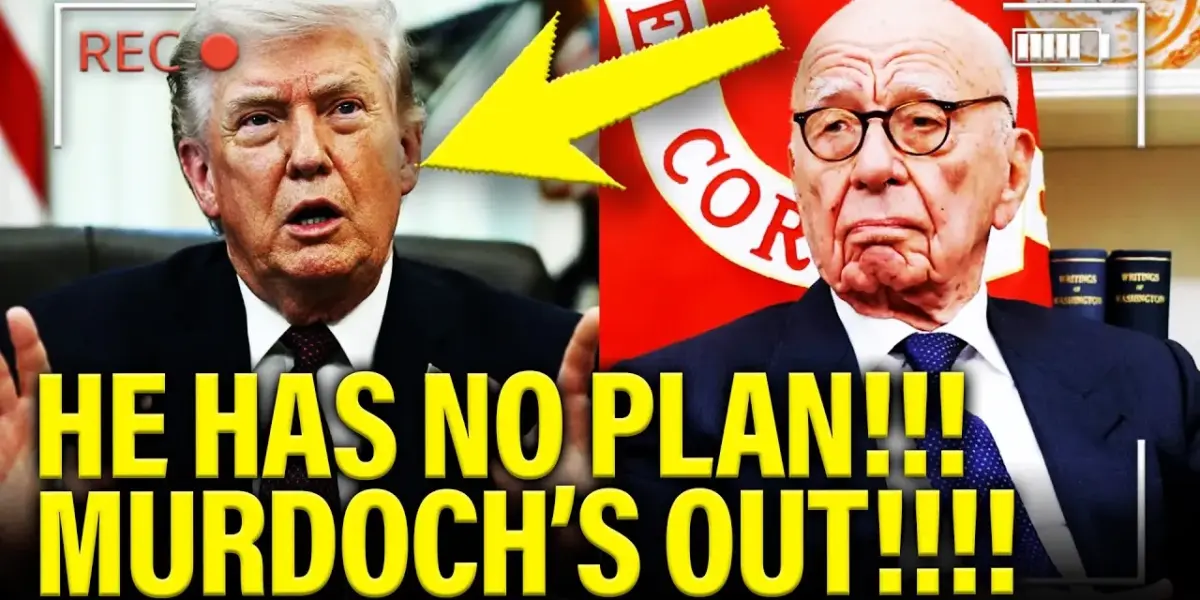
Trump’s Extreme War Rhetoric Ignites Backlash
Donald Trump’s strong words about a potential conflict with Iran are causing a stir, and not just from his usual critics. While Trump insists his supporters, the MAGA base, are fully behind him, some of his own allies and even conservative media outlets are pushing back. This has led to confusion and concern about the direction of U.S. foreign policy.
MAGA Base Divided on War Stance
When Donald Trump ran for president, he attracted many voters who were tired of endless wars and foreign entanglements. These voters, often called the MAGA base, supported an “America First” approach. Now, when Trump talks about potentially attacking Iran’s power plants and bridges, these same voters are worried it sounds like an escalation they don’t want. Some see this kind of talk as a betrayal of what MAGA originally stood for, calling it a “perverted, deranged version” of their movement.
“We love our military and God bless the men and women serving and we love their families and we do not want to see flag draped coffins coming home in a war that does nothing for our own homeland.”
Many express a strong desire to avoid costly wars that don’t directly benefit Americans. They are tired of seeing tax dollars go to what they call the “industrial war complex” when people at home are struggling to afford basic needs. This sentiment fuels a call for policies that prioritize the nation’s own citizens and security.
Media Giants Question Trump’s Strategy
Even traditionally conservative media, like The Wall Street Journal, owned by Rupert Murdoch, is questioning Trump’s approach. Their editors have criticized his claims of dominance over Iran’s airspace, which later proved inaccurate. They have also described his strategy as “incoherent,” especially when he simultaneously threatens severe action while also suggesting a war is nearly over.
Trump’s rhetoric has become increasingly graphic and aggressive. He has threatened to make Iran’s power plants and bridges targets, warning of a future where they will be “living in hell” if demands are not met. Experts point out that destroying civilian infrastructure like power plants is generally considered a war crime, adding another layer of concern to his statements.
Military Leaders and Allies Express Doubt
The concerns aren’t limited to media commentary. Military veterans and former officials have voiced strong opposition to Trump’s proposed actions. One Air Force veteran called the idea of winning a war by destroying a country “absurd,” questioning how rebuilding would be possible after such widespread destruction.
Even allies within NATO are reportedly hesitant to rush to the U.S.’s aid, especially given Trump’s history of criticizing and insulting leaders within the alliance. This suggests a lack of unified support for his aggressive stance.
Conflicting Messages and Public Opinion
A key criticism is the lack of a clear strategy. Trump’s public statements often contain contradictory messages. He threatens extreme escalation, like destroying civilian infrastructure, but then claims victory and suggests the conflict is almost over. This inconsistency leaves many, including allies and the public, confused about what the actual plan is.
Public opinion in the U.S. also seems to lean away from further conflict. Polls indicate that a significant majority of Americans want the war to end quickly, even if not all objectives are met. Most also do not support sending ground troops, and a large portion disapprove of strikes on Iran. This data contradicts Trump’s claims of widespread support for his war plans.
Historical Context and Future Outlook
The debate over intervention versus non-intervention has a long history in American foreign policy. For decades, the U.S. has been involved in conflicts in the Middle East, leading to significant human and financial costs. The “forever wars” in places like Iraq and Afghanistan have left many Americans weary of further military action abroad.
Trump’s “America First” platform tapped into this weariness, promising to end costly foreign wars and focus on domestic issues. However, his current rhetoric on Iran seems to depart from that promise, creating a disconnect with some of his core supporters and raising questions about his foreign policy vision. The situation highlights the ongoing tension between a desire for peace and a willingness to use military force, and how different factions interpret these actions.
Why This Matters
This situation is critical because it involves potential U.S. military action with far-reaching consequences. The rhetoric used, especially threats against civilian infrastructure, raises serious ethical and legal questions. It also impacts international relations, potentially alienating allies and increasing global instability.
The division within Trump’s own base and among conservative media suggests a broader questioning of aggressive foreign policy. It shows that even strong rhetoric may not automatically translate into widespread support, especially when it clashes with deeply held values like avoiding unnecessary war and prioritizing domestic well-being. The outcome of these tensions will shape not only U.S. foreign policy but also its standing on the world stage.
Looking Ahead
The coming days and weeks will be crucial in determining whether diplomatic channels remain open or if tensions escalate further. The consistent pushback from various sectors, including his own supporters and media allies, indicates that Trump’s approach to foreign conflicts faces significant scrutiny. The public’s desire for a swift resolution and a focus on domestic issues will likely continue to be a major factor in this ongoing debate.
Source: Murdoch UNLEASHES on Trump Over INSANE WAR Plan (YouTube)

Related Articles


Trump Weighs Iran Deal; Pakistan Seeks Ceasefire Extension
President Trump faces a critical deadline regarding Iran, with Pakistan proposing a two-week ceasefire extension to allow for peace talks. The White House is considering the proposal amid threats of military action.
Congress Demands Trump Exit Amidst Global Tensions
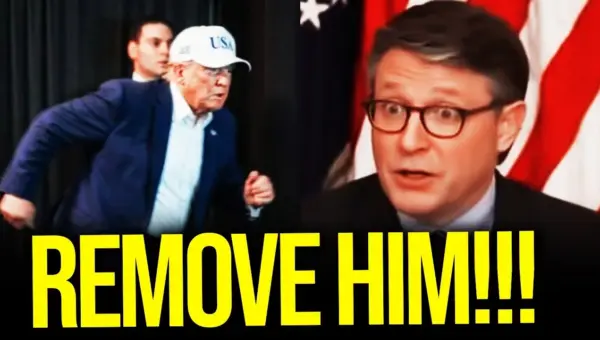
A growing number of Democrats are calling for Donald Trump's removal from office via impeachment or the 25th Amendment. This comes amidst escalating tensions with Iran and reports of a potential deal. The speaker questions Trump's aggressive rhetoric and the legality of the war's initiation.
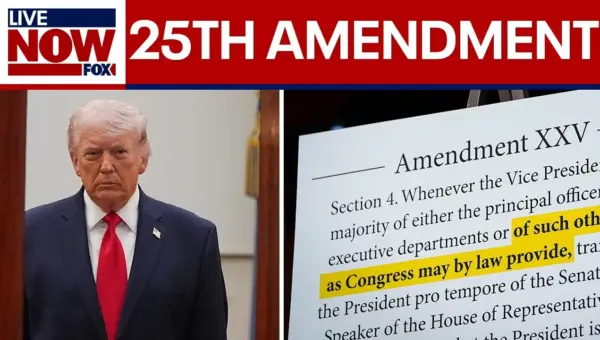
Democrats Eye 25th Amendment Amid Trump’s Iran Ultimatum
Democrats are considering invoking the 25th Amendment against President Trump following his aggressive ultimatum to Iran. Constitutional expert Robert McDerer explains the amendment's complex provisions for presidential disability. Trump, however, has pushed back, suggesting such an attempt would fail.