Trump’s War Strategy Crumbles Amidst Media Backlash
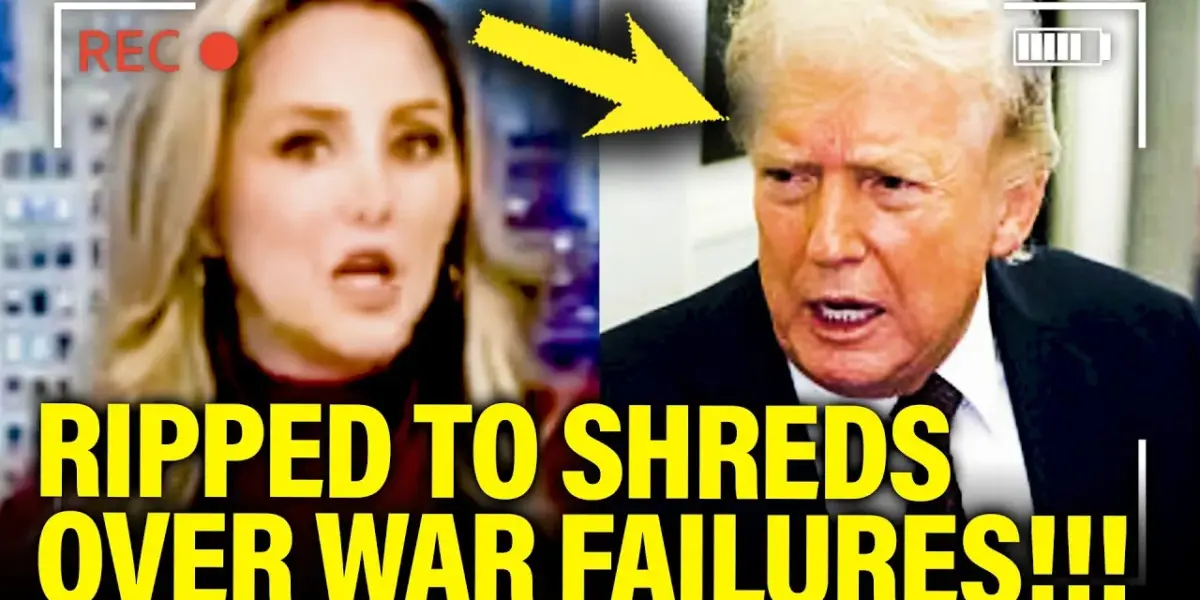
President Trump faces mounting pressure as high oil prices and a deepening war in Iran spark backlash from media and his own base. Once-loyal supporters question the "America First" promise, citing betrayal and economic hardship. The war's escalating costs and questionable benefits are fueling public opposition and a crisis of trust.

Trump’s War Strategy Crumbles Amidst Media Backlash
Pressure is mounting on President Trump. He needs to resolve the ongoing conflict within the next two to three weeks. High oil prices are becoming a serious political problem, especially with midterm elections approaching. Reports indicate resignations and a shift in media support, with even Fox News and Newsmax questioning the war’s direction. The hope that a drumbeat of war would rally public support is quickly fading.
While current approval ratings are lower than during much of Obama’s presidency and even Biden’s, there’s a sense of being a victim of one’s own success. People experienced lower gas prices due to Trump’s past oil-friendly policies. Now, they want those prices to stay low. Even Trump’s core supporters are finding it difficult to defend the war.
Loyal Voices Sounding the Alarm
A prominent commentator on Newsmax, a network often defending Trump, issued a warning. This commentator described the situation as a “serious crisis” over the war. This marks a significant change for a media outlet that has long supported the president. When even the most loyal voices start raising concerns, it signals a worsening situation.
One former supporter, who broke with Trump over foreign policy, questioned his focus. This individual felt Trump was too focused on international affairs instead of his “America First” promises. The commentator clarified their break was over different issues but agreed with the criticism of the president’s direction.
Why would any American president lead his political party into the midterms waging a full-scale war completely unprovoked on Iran on behalf of Israel? That’s the way most Americans see it. They see this is for Israel, not for America.
This perspective highlights a key concern: the war’s perceived benefit to Israel rather than America. The timing is particularly problematic, with rising gas prices impacting families during spring break and heading into summer. Launching a major war with no clear end in sight, and one that is escalating daily, seems illogical.
Betrayal of Campaign Promises
The public did not vote for this war. Campaign rallies consistently promised an end to foreign wars and a focus on domestic issues. The current military action is seen as a direct betrayal of those promises. This feeling is amplified by recent polling showing growing opposition to the war.
A significant majority of Americans, 59%, oppose the strikes on Iran, with only 41% supporting them. Another survey found 53% oppose military action outright. Support drops sharply when the possibility of a prolonged conflict or ground involvement is mentioned. Even within the Republican party, there’s a clear divide. Polling indicates MAGA Republicans and traditional Republicans disagree on the war’s justification and strategy.
Economic Concerns and Political Fallout
One concern expressed is the financial cost. “I don’t want to weaken our country further. I think we’ve gotten overextended,” stated one individual. The expense of these wars, both in lives and treasure, is a major worry. The national debt is a primary focus for many.
Adding over half a trillion dollars to the military budget is seen as fiscally irresponsible. Some believe a divided party is less of a problem than high oil prices. With the 2026 elections looming, high gas and oil prices, coupled with ongoing military action in Iran, could lead to disastrous election results. Trump’s national approval rating is also underwater, creating tension within his base.
For years, “America First” meant avoiding foreign wars and prioritizing domestic needs. This war directly contradicts that core promise. The high gas prices are a tangible impact felt by consumers, affecting their ability to save money for weekly expenses. Choices like walking to work or taking public transport become necessary.
The cost of gasoline affects nearly every product and service. This includes essential items like fertilizer for farmers, impacting spring planting. People have a right to question these economic impacts and hold their government accountable.
A Crisis of Trust
Instead of disengaging from foreign conflicts, the US is now involved in a major regional war that appears to be worsening. This has led even loyal Trump supporters to question if this is the policy they signed up for. Some express a profound sense of disillusionment.
I do not recognize our president. I think that we are an occupied nation. I think that a foreign country has occupied our government. And we are seeing now that this president of the United States of America is being influenced by a foreign government. And MAGA, let me tell you right now, MAGA is dead. It is dead. And Americans are furious. We do not recognize President Donald J. Trump anymore.
This sentiment suggests a deep crisis of trust. Many feel the president’s actions are influenced by foreign governments, specifically Israel, rather than American interests. The war is seen by some as “Israel’s war,” pushed by specific political figures.
Reconciling Messaging with Reality
It has become increasingly difficult for staunch Trump supporters to reconcile the administration’s messaging with the unfolding reality. Claims of Iran being “obliterated” are contradicted by calls for allied naval support and multinational efforts to secure vital shipping lanes. If the threat were truly eliminated, such emergency measures would not be necessary.
The evidence suggests this war is not ending as expected and is not going according to plan. The conflict continues to escalate, raising questions about its ultimate goals and consequences for American interests and global stability.
Why This Matters
This situation highlights a critical disconnect between a president’s campaign promises and their actions in office. For Trump, the “America First” platform was built on a promise to end costly foreign entanglements. The current war in Iran directly violates this principle, alienating a significant portion of his base.
The economic consequences, particularly rising gas prices, are a direct burden on everyday Americans. This economic pain, combined with a perceived betrayal of core values, creates a potent political challenge. The media’s shifting stance, with once-loyal outlets questioning the war, further erodes public confidence.
Implications, Trends, and Future Outlook
The trend suggests a growing public weariness with foreign wars, especially when they impact domestic life through economic hardship. This could signal a broader shift in political sentiment, potentially favoring candidates who prioritize domestic issues. The division within the Republican party over foreign policy could have long-term implications for its identity and electoral success.
The future outlook depends on how the Trump administration navigates this crisis. A prolonged conflict with escalating costs and public disapproval could severely damage his political standing. Conversely, a swift resolution, though difficult to achieve, might mitigate some of the damage. The war’s outcome will likely shape discussions about American foreign policy and its role in the world for years to come.
Historical Context and Background
The United States has a long history of debated foreign interventions. The “America First” movement itself has historical roots, often advocating for non-interventionism and a focus on domestic concerns. Trump’s rise tapped into a segment of the electorate that felt neglected by traditional foreign policy approaches.
Past conflicts, like those in Iraq and Afghanistan, have also generated significant public debate about their costs and effectiveness. The current situation echoes some of these earlier debates, particularly regarding the justification for military action and its impact on the American economy and society. The challenge for any president is balancing national security interests with the desires and well-being of the domestic population.
Source: Trump PANICS as Fox admit WAR IS A FAILURE! (YouTube)

Related Articles
Trump’s ‘Board of Peace’ Crumbles Amidst Global Conflict
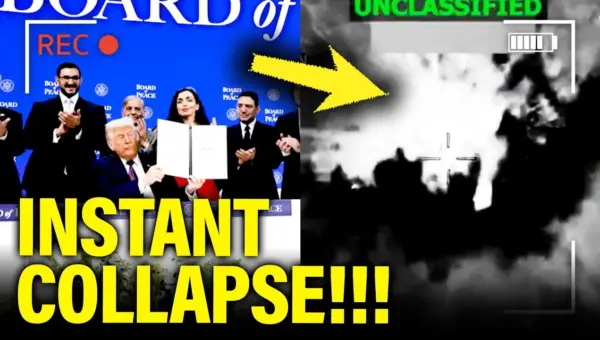
Donald Trump's 'Board of Peace,' launched with grand ambitions from Davos, faced immediate scrutiny over its $1 billion permanent membership fee. Despite attempts to secure ceasefires, the initiative appeared to falter as global conflicts, including strikes on Iran, escalated, leaving its intended purpose overshadowed.
Iran Missile Strikes Injure US Troops, Raise War Concerns
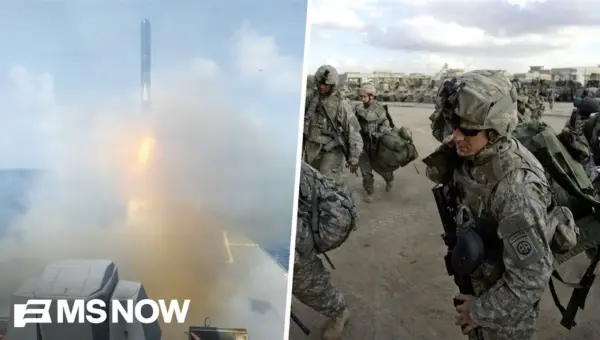
Iranian missile strikes have injured U.S. service members, escalating tensions as the conflict nears one month. The attacks are raising concerns about the effectiveness of U.S. military strategy and the depletion of crucial missile stockpiles. Global oil prices have surged, impacting economies worldwide.

Americans Rally for Democracy Amidst War and Economic Woes
Thousands of Americans are participating in "No Kings" rallies nationwide, demanding accountability from leaders and drawing parallels to historical movements that spurred significant change. The protests occur amidst a controversial war with Iran, economic uncertainty, and a partial government shutdown. Organizers emphasize solidarity, joy, and the power of collective action in defending democracy.