Trump’s War Strategy: A Child’s Play?
Questions are emerging about President Trump's understanding of the risks associated with potential conflict with Iran. Some observers, including conservative commentators, are suggesting that Trump may not have a clear plan and might not have been fully briefed on the complexities of the situation, leading to concerns about his decision-making.


Trump’s War Strategy: A Child’s Play?
Questions are swirling around President Trump’s approach to potential conflict with Iran. Was the president fully informed about the dangers from the start? Did he truly grasp the complex possibilities, including potential casualties and the difficulty of dealing with the Iranian regime?
For weeks, many Republicans have defended Trump’s actions, claiming he had a secret plan. They argued he was playing “4D chess,” deliberately keeping his strategy hidden so adversaries wouldn’t know it. This idea suggested ambiguity was a sign of strategic genius.
A Shift in Perspective
However, some are now seeing a different picture. Host Laura Ingraham, a prominent conservative voice, seems to be questioning this narrative. Her recent comments suggest a growing realization that Trump might not have a clear plan. Some observers are now wondering if he fully understands the risks involved in escalating tensions with Iran.
“What you’re seeing is cope in real time. The Republicans have been saying for the past month that Trump has a plan… In fact, they’ve been arguing that he’s strategically not giving us his plan… Now, you’re seeing Laura Ingram slowly shrink and resign and realize, wait a minute, Trump is literally just a child.”
This perspective suggests that instead of a master strategist, Trump might be acting more impulsively. The idea that he might not have been properly briefed on the risks is a serious concern for many.
The Reality of Briefings
While the idea that a president isn’t briefed is unlikely, the question remains about the quality and intent of those briefings. Are advisors like Steve Witoff, Marco Rubio, or Pete Hegseth presenting a clear picture, or are they perhaps trying to sway the president’s decisions? Regardless, it’s almost certain that Trump receives daily briefings.
The concern isn’t necessarily that the president is unaware, but rather that his decisions might be based on incomplete or misleading information. This is especially worrying given the recent decision to send thousands of additional troops to the Middle East, a move that significantly raises the stakes.
Hypocrisy and Doubts
This situation also highlights a perceived hypocrisy. Critics point out that many of the same people who accused former President Biden of being a figurehead, controlled by others and unaware of events, are now openly suggesting that Trump might be in a similar position. This comparison is being made even though there has been no concrete proof of Biden being out of touch, unlike the current questions surrounding Trump’s understanding of critical foreign policy decisions.
The core issue remains: if we accept the possibility, as some are now doing, that Trump doesn’t fully grasp the risks, it points to a deeper problem. It suggests that the people surrounding him, his advisors, are making critical errors. They may be failing to brief him adequately or are pushing him towards dangerous actions. This raises serious doubts about the competence of his foreign policy team and the president’s ability to lead effectively in a crisis.
Why This Matters
The stability of the entire Middle East region is at stake. Miscalculations in foreign policy can lead to devastating wars, loss of life, and long-term geopolitical consequences. The public deserves clarity and confidence that their leader understands the gravity of decisions involving military action. The debate over Trump’s understanding and planning is not just political theater; it touches upon the fundamental responsibility of a president to protect national interests and American lives.
Implications and Future Outlook
The current situation raises concerns about decision-making processes within the White House. If advisors are not effectively briefing the president, or if the president is not absorbing complex information, it creates a dangerous environment for international relations. This could lead to unintended escalations and a broader conflict that serves no one’s interest. The future outlook depends heavily on whether greater transparency and clearer strategic thinking emerge from the administration.
Historical Context
Throughout history, presidential decisions regarding war have often been subject to intense scrutiny. From the lead-up to the Iraq War to other foreign policy challenges, understanding the president’s thought process and the information available to them is crucial for historical analysis and public trust. The current debate echoes past concerns about presidential preparedness and the influence of advisors in shaping crucial foreign policy choices.
Source: Laura Ingraham Questions Trump’s Iran War #politics #fyp #new (YouTube)

Related Articles
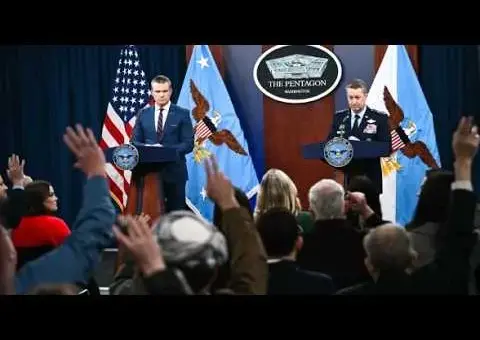
US Pushes Iran Harder: Troops Ready, Bombs Falling
Defense Secretary Pete Hegseth revealed an escalation of U.S. military pressure on Iran, including troop visits and increased bombing campaigns. He highlighted the troops' desire to finish the mission and reported significant damage to Iranian morale and capabilities, while also noting ongoing diplomatic talks.

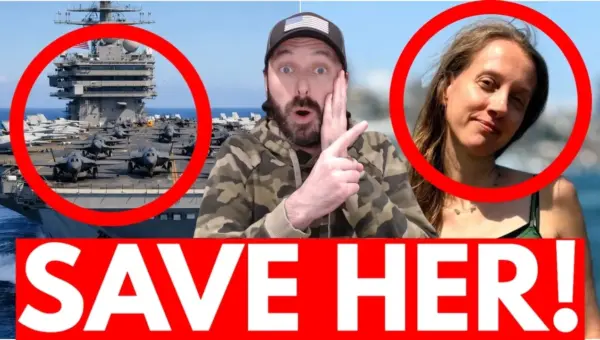
Iran Kidnaps Journalist; US Carrier Rushes to Region
An American journalist has been kidnapped in Iraq by Iranian-backed forces, prompting a U.S. military response that includes deploying another aircraft carrier to the region. The incident occurs amid escalating tensions, with ongoing strikes and Iran rejecting ceasefire calls, signaling a potentially volatile future.

Judge Halts Trump’s Ballroom: A Clash Over Power and Priorities
A federal judge has halted President Trump's $400 million White House ballroom project, citing lack of legal authority. The decision sparks debate over presidential power, personal priorities, and the balance between ambition and public service.