Trump’s War Sparks Public Outrage, Questions Nation’s Strength
President Trump's initiation of a war with Iran, lacking public support, has sparked widespread concern and damaged national morale. Critics argue the conflict is weakening the U.S. and is driven by a performative display of strength rather than strategic necessity.

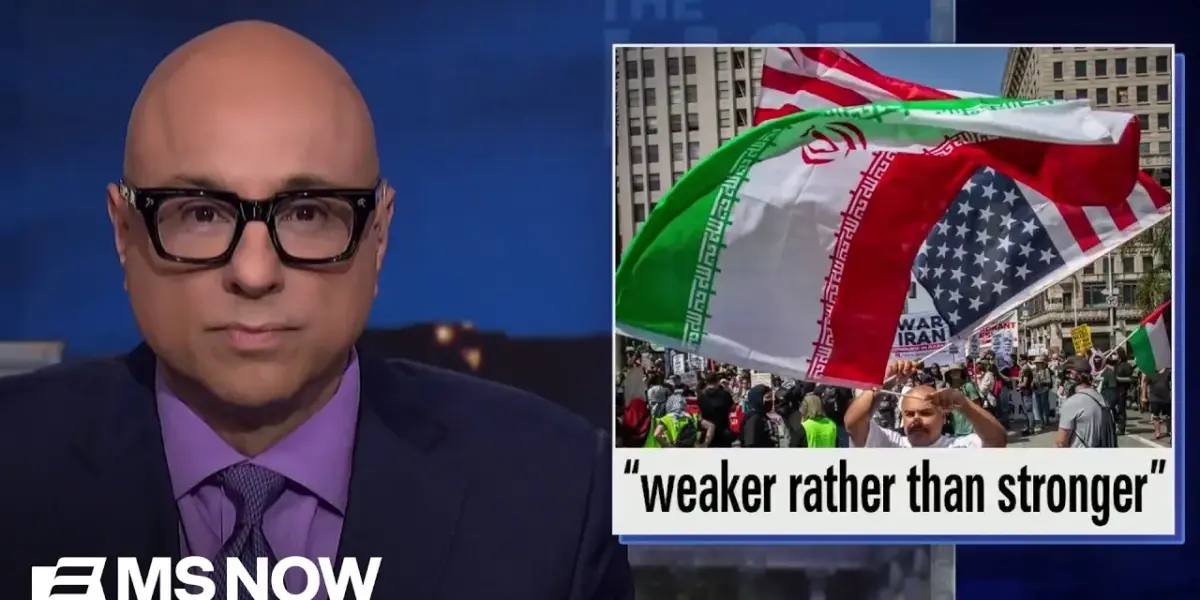
Trump’s Unpopular War Ignites National Concern
In a striking departure from modern presidential history, Donald Trump has initiated a military conflict with Iran that lacks public support, leaving many Americans questioning the nation’s direction and strength. This “war of choice,” as described by critics, has coincided with declining approval ratings for the president, fueled by negative economic sentiment and a perceived lack of enthusiasm for his party among voters. The administration’s shifting justifications for the conflict have only amplified public skepticism, leading to widespread bewilderment and horror.
Public Opposition to Unprecedented Conflict
Peter Baker of The New York Times highlighted this unprecedented situation, stating, “President Trump likes to assert that he has accomplished things no other president has. With the opening of his military assault against Iran, he has achieved another distinction. He is the first president in the era of modern polling to take the United States to war without the support of the public.” This sentiment resonates deeply with a populace weary from two decades of protracted wars in Iraq and Afghanistan, conflicts that resulted in significant loss of life, immense financial expenditure, and questionable achievements.
“Over the last 25 years, this nation has already been through two wars that dragged on and on and on. Far too many members of our military paid the ultimate price for those wars, returning home in flag-draped coffins. Far too many Iraqi and Afghan citizens were killed, trillions of dollars were spent, and there’s been precious little to point to from either war that can be called an accomplishment, and yet somehow, here we are again.”
Regime Change as Stated Objective
President Trump has made his ultimate objective clear, posting on social media, “There will be no deal with Iran except unconditional surrender and the selection of a great and acceptable leader.” This declaration has raised alarm bells, with many questioning the feasibility and implications of such demands, particularly directed at the citizens of Iran. Meanwhile, Israel has escalated its own actions with a new wave of attacks on Iranian infrastructure, including Tehran’s primary international airport.
Escalation Concerns and Russian Involvement
The possibility of deploying ground troops has not been ruled out by the Trump administration. Reports indicate a sudden change in plans for the 82nd Airborne Division, a unit specializing in ground combat, fueling speculation that soldiers may be sent to the Middle East as the conflict widens. Adding another layer of complexity, Russia has reportedly begun providing Iran with intelligence that could be used to target American forces. The Washington Post described this as “the first indication that another major U.S. adversary is participating even indirectly in the war.”
Presidential Dismissal of Critical Questions
When questioned about Russia’s involvement in aiding Iran, President Trump dismissed the inquiry as “stupid.” This response came as the nation prepared for a dignified transfer of six U.S. service members who lost their lives in the conflict. The president’s reaction has been widely criticized, especially in light of the somber ceremony for the fallen soldiers.
“Like I said, some people will die. When you go to war, some people will die.”
This callous remark, made by President Trump regarding the loss of life, has been described by historian Professor Timothy Snyder as one of the “most callous and confounding things he’s ever uttered while in office.”
White House Media and Civilian Casualties
In a move that has drawn widespread criticism, the White House released a video mashup featuring clips from movies, cartoons, and television shows, juxtaposed with themes of war and power. This occurred as the human cost of the conflict mounted, with UNICEF reporting over 1,200 deaths in nine countries since the previous Saturday, including more than 190 children. Evidence suggests that a U.S. precision strike may be responsible for an attack on a girls’ elementary school in Iran, which resulted in a high civilian death toll, including children.
Analysis: War Weakening the United States
Professor Timothy Snyder argues that Trump’s war is not strengthening the United States but rather weakening it. He posits that the conflict is a “series of masculinity contests” where the president performs relative strength at a significant cost to others. Snyder contends that the use of force in this manner is illegal under international and domestic law, and that breaking down institutions will ultimately make the U.S. less powerful.
“The use of force in this way is obviously illegal in terms of both international and domestic law, breaking international and domestic institutions will tend to make the United States as a country weaker rather than stronger. That’s a tragedy made all the worse by the lives lost on both sides in a war that is making this nation weaker.”
A Call for Hope Amidst Division
In contrast to the prevailing tone of conflict and uncertainty, a speech by Reverend Jesse Lewis Chris Jackson offered a message of hope and resilience. He spoke of the temptation to succumb to cynicism in the face of greed, bigotry, and mockery masquerading as strength. Reverend Jackson’s words served as an antidote to the perceived nihilism of the current administration, urging individuals to take a harder path, become heralds of change, and messengers of hope, not for personal gain, but because it gives life purpose and aligns with a moral imperative.
Looking Ahead
As the nation grapples with the escalating conflict in Iran and its domestic repercussions, attention will be focused on the administration’s next steps, the ongoing human cost, and the potential for further international involvement. The stark contrast between the president’s rhetoric and the calls for purpose and change from figures like Reverend Jackson will likely continue to shape the national conversation.
Source: Velshi: Trump's war is not making U.S. stronger, has the nation asking 'What the hell is going on?' (YouTube)

Related Articles
Senators Slam ‘War of Choice’ as Iran Strategy Unravels
Senators express outrage over the Trump administration's shifting rationales for military action against Iran, labeling it a "war of choice" based on questionable intelligence and lacking a clear strategy. The lack of an "imminent threat" to the U.S. and the potential for wider escalation are key concerns.
Holy War Justification: GOP Allies Reveal Disturbing Iran War Rationale
Republican allies of the Trump administration are reportedly framing the conflict with Iran as a 'holy war.' This disturbing justification, moving beyond previous explanations, raises serious concerns about the role of religious nationalism in foreign policy and its potential to undermine diplomatic solutions and the separation of church and state.

Iran War: Regime Change, Not Nukes, Fuels US Conflict
The stated reason for the U.S. war with Iran centers on nuclear threats, but a deeper analysis of recent history and strategic shifts suggests regime change is the primary, unstated objective. This distinction has profound implications for the conflict's duration and global impact.