Trump’s War Room Crumbles: Aides Confess Catastrophe
Top aides are reportedly confessing to Donald Trump that the war in Iran is a catastrophic failure, with Iran's military capabilities and global influence growing. This comes amid reports of domestic discontent and internal military strife.

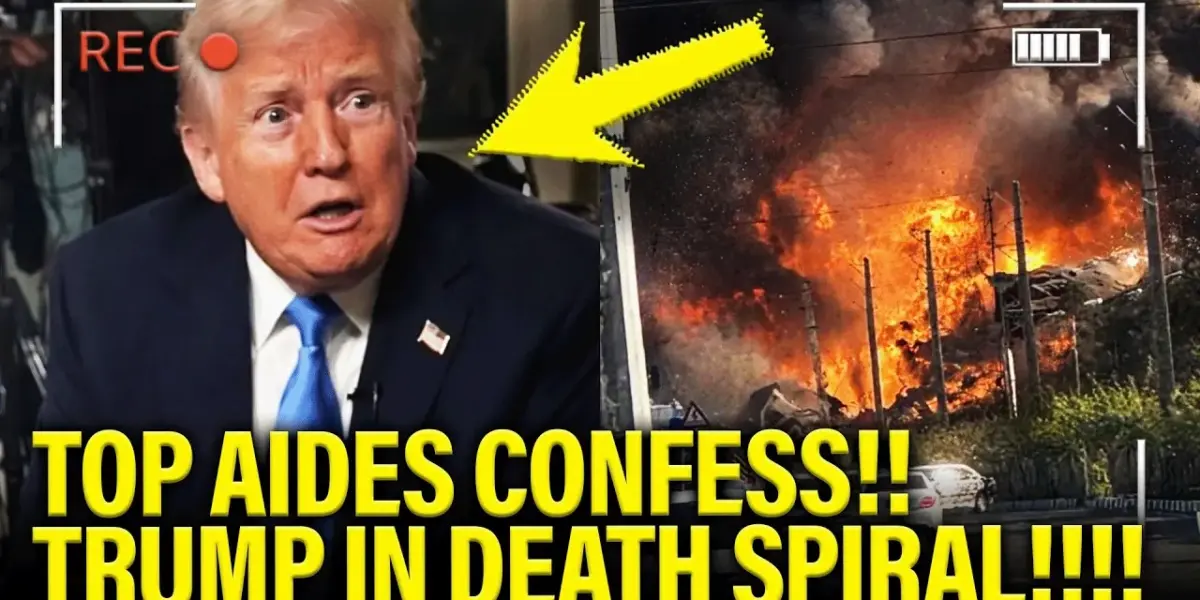
Trump’s War Room Crumbles: Aides Confess Catastrophe
Reports suggest a growing unease within Donald Trump’s inner circle regarding the ongoing conflict in Iran. Top aides are reportedly confessing that the war is not going as planned and is, in fact, a disaster for America. This comes as the public perception of the war and the nation’s standing in the world face serious questions.
A Grim Reality Check
Sources indicate that Trump’s Chief of Staff, Susan Wilds, has urged cabinet members and staff to stop sugarcoating the situation. She reportedly believes that the truth about the war’s perception among Americans and its actual progress needs to be shared with Trump. This call for honesty follows claims that Trump was being shown heavily edited, positive-looking videos of military actions, rather than a full picture of the war’s complexities.
The confessions suggest that Iran has not been significantly weakened by recent strikes. A large portion of Iran’s ballistic missiles and drones are reportedly still operational. Over half of its ballistic missiles and launchers are said to remain intact, along with tens of thousands of drones. This paints a starkly different picture than one of a decisively winning campaign.
Iran’s Growing Influence
Beyond military capabilities, the narrative emerging is that Iran is becoming more influential on the world stage. Instead of being isolated, Iran is reportedly being approached by various countries seeking direct deals. For example, leaders from the Philippines, a supposed ally of the United States, have allegedly reached out to Iran’s foreign minister. They are seeking to secure crude oil supplies through the Strait of Hormuz. This indicates a shift in global diplomacy, with some nations looking away from the U.S. and directly engaging with Iran.
Domestic Discontent and Distractions
This shift in foreign policy and the perceived failures of the war are happening while domestic issues like inflation and the cost of living are causing significant stress for Americans. Amidst these concerns, Trump’s public statements have been criticized as being out of touch. Posts about celebrities and controversial construction projects, like the blocked White House ballroom, have drawn criticism for diverting attention from more pressing national issues.
Questions of Leadership and Strategy
The reported confessions also bring into question the leadership’s understanding of the situation. There are claims that both Trump and Defense Secretary Pete Hegsith were surprised by the extent and nature of Iran’s retaliatory attacks. These attacks have reportedly spread to countries like Kuwait, Bahrain, Saudi Arabia, and the United Arab Emirates, areas previously thought to be less vulnerable. This suggests a miscalculation of Iran’s capabilities and resolve.
Historical Context: The Strait of Hormuz
The Strait of Hormuz is a critical chokepoint for global oil supplies. Iran has previously threatened to close it, which would have severe economic consequences worldwide. The continued strength of Iran’s coastal defense missiles, as reported, means this threat remains a significant concern. Historically, controlling or influencing this strait has been a major geopolitical factor in the region.
Internal Military Strife
Adding to the turmoil, there are reports of significant upheaval within the U.S. military leadership. Defense Secretary Pete Hegsith has reportedly fired Army Chief of Staff General Randy George and other high-ranking officers. The reasons cited involve disagreements over promotion decisions, specifically regarding the refusal to remove certain officers based on race or gender. Critics argue this is a politically motivated purge, happening at a time when military stability is crucial.
Cybersecurity Concerns
Separately, but adding to a sense of national vulnerability, the FBI has declared a suspected Chinese hack of its surveillance systems a major cyber incident. This breach reportedly gave China access to sensitive data and surveillance orders, potentially compromising investigations into its own espionage activities. The delay in reporting this incident has also raised concerns about transparency.
Why This Matters
The alleged confessions and internal reports paint a picture of a U.S. foreign policy facing significant challenges. If the war in Iran is indeed not going as planned, and if Iran’s influence is growing, it has major implications for regional stability and American global standing. Furthermore, internal divisions and questions about leadership’s grip on reality can weaken a nation’s ability to respond effectively to complex international crises. The focus on internal political battles while facing external threats could be a dangerous distraction.
Implications and Future Outlook
The situation suggests a potential need for a strategic reassessment of U.S. involvement in the region. If diplomatic channels are becoming more important, as seen with countries approaching Iran directly, the U.S. may need to adjust its approach. The internal military firings could also impact morale and operational effectiveness. The long-term effects of these events on international alliances and the perception of American leadership remain to be seen, but they highlight a period of significant uncertainty and potential instability.
Source: Trump PANICS as TOP AIDES make CONFESSION ON WAR!!! (YouTube)

Related Articles

Trump Weighs War Exit Amid Iran Strikes and Internal Debate
President Trump is reportedly facing internal debate over how to end the escalating conflict with Iran, according to a new Time Magazine report. While publicly vowing to increase strikes, privately Trump seeks an "off-ramp" to declare victory and avoid domestic backlash, even as advisors express surprise at Iran's retaliatory attacks.

Trump Ousts AG Bondi, Eyes Zeldin as Successor
Pam Bondi is out as Attorney General after one year, with Deputy AG Todd Blanche serving as Acting AG. President Trump confirmed the departure, praising Bondi and hinting at a new private sector role. Lee Zeldin is reportedly being considered as Bondi's permanent replacement, amid ongoing speculation about other cabinet changes.

US Pilot Feared Lost in Iran; Search Underway
The U.S. military is conducting a search operation inside Iran for an American pilot whose fighter jet may have been downed. Details are limited, with uncertainty over whether the plane was shot down or suffered mechanical failure. The operation highlights the complexities of rescue missions in hostile territory and occurs amid heightened regional tensions.