Trump’s War Rhetoric Sparks Global Distrust and Chaos
Donald Trump's recent interview on his Iran policy has drawn sharp criticism for its flippant tone, unsubstantiated claims, and alienation of allies. The analysis dissects his controversial statements, highlighting potential global security risks and a weakening of US influence.

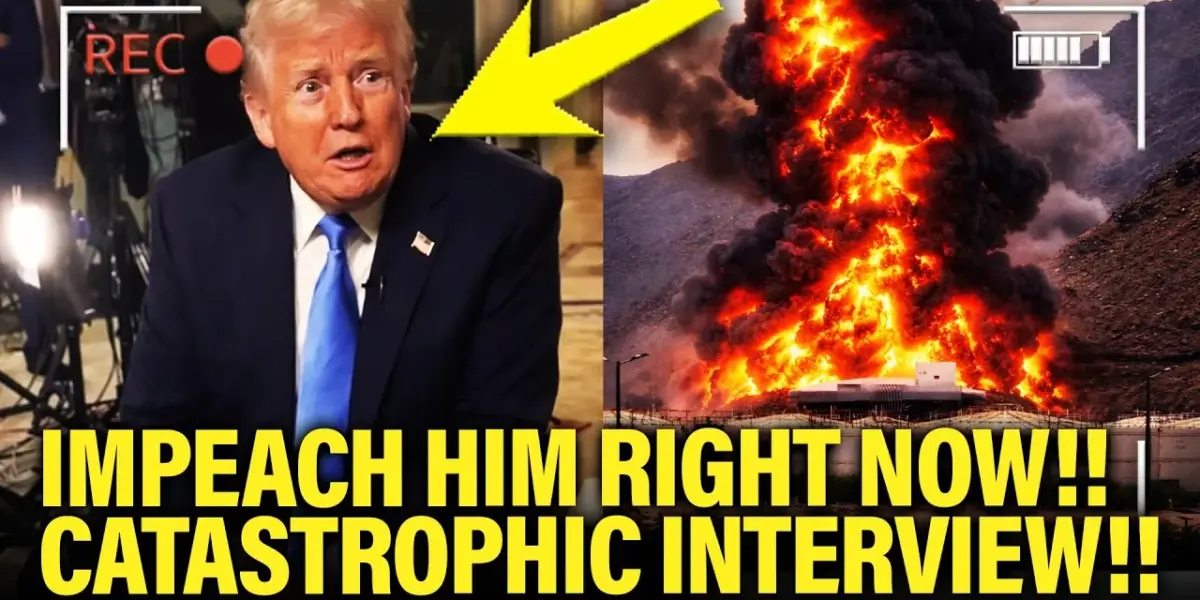
Trump’s War Rhetoric Sparks Global Distrust and Chaos
In a recent interview with NBC, former President Donald Trump’s statements regarding a potential conflict with Iran have ignited significant controversy, revealing a complex web of geopolitical tensions, strained alliances, and questionable strategic pronouncements. The interview, described by critics as one of the most disastrous in recent US history, saw Trump make a series of assertions that have been met with widespread skepticism and condemnation, painting a picture of a leader disconnected from global realities and alienating potential allies.
A War for ‘Fun’? The Tone-Deaf Declaration
One of the most striking and disturbing elements of Trump’s interview was his flippant remark about striking Iranian islands. When discussing the US response to Iranian attacks, Trump stated, “We may need to hit the Carg islands in the northern Persian Gulf for fun.” This casual dismissal of military action, especially in the context of a conflict that has already resulted in the deaths of 13 US service members and the serious injury of 200 more, has been widely decried as “sick and demented.” The commentator argues that such language not only trivializes the human cost of war but also serves as a potent rallying cry for adversaries, potentially escalating rather than de-escalating tensions.
Diplomacy or Delusion? The ‘Begging’ Iran Narrative
Trump also claimed that Iran is “begging to make a deal” but that the terms offered are not yet good enough for him. When pressed for details on these terms, he refused to answer, leading to accusations of fabrication. This assertion stands in stark contrast to reports from Iranian leadership, which, according to the analysis, demand full reparations for damages and the withdrawal of American bases from the Middle East as preconditions for passage through the Strait of Hormuz. The narrative presented suggests that Iran perceives itself to be in a position of strength, while many Middle Eastern nations view the United States as weak and its leadership as erratic.
Alienating Allies: A Solo Act on the World Stage
The interview further highlighted Trump’s apparent alienation of traditional allies. Despite claims of working with other countries to secure the Strait of Hormuz, the analysis points to instances where the US has rebuffed offers of assistance, notably from the United Kingdom. Reports of France denying any plans to send warships, and countries like Turkey and Italy explicitly stating their desire to remain out of any conflict, underscore a growing reluctance among nations to align with the US under Trump’s perceived leadership. This isolation is framed as a direct consequence of Trump’s past actions, including initiating trade wars and threatening other nations.
The Ukraine Conundrum: Aiding Russia’s Agenda?
Adding another layer of complexity, the interview touched upon the conflict in Ukraine. Trump expressed surprise that Ukrainian President Zelenskyy was not seeking a deal, suggesting Zelenskyy was more difficult to negotiate with than Vladimir Putin. He also dismissed Zelenskyy’s offer of help with drone interceptors, stating, “The last person I need help from is Zalinsky.” This stance is particularly controversial given that the US military has reportedly requested such assistance. The analysis posits a disturbing parallel: Trump’s actions, such as easing sanctions on Russian oil, are seen as directly benefiting Russia while simultaneously rejecting help from a key player in countering Russian aggression. This is framed as potentially treasonous, with the argument that Trump is aiding Russia’s war efforts while Russia is allegedly aiding Iran against the US.
Misinformation and Military Readiness: A Dangerous Mix
Concerns are also raised about Trump’s assertions regarding military readiness and the ongoing conflict. Claims that Iran’s military is “100% destroyed” are directly contradicted by reports of ongoing attacks on Israel and even the US embassy in Baghdad. Furthermore, the assertion that the US is not facing a shortage of missile interceptors is questioned in light of requests for supplemental funding and the redeployment of Patriot and THAAD systems from South Korea. The analysis suggests a potential munitions crisis and questions the preparedness for a conflict that Trump’s administration was allegedly warned about.
The Iranian Perspective: A Different Strait of Hormuz
Providing a counterpoint, Iran’s Foreign Minister Hossein Amirabdollahian offered a different perspective on the Strait of Hormuz. He stated that the strait is not closed but is only closed to ships belonging to the US, Israel, and their allies. This reframes the issue as a targeted blockade rather than a general disruption, suggesting that other nations are free to pass, though many may choose not to due to security concerns. This statement directly challenges the US narrative of a universally blocked vital waterway.
Historical Context and Future Outlook
The current geopolitical climate, marked by escalating tensions in the Middle East and the ongoing war in Ukraine, presents a volatile backdrop to these events. Trump’s approach, characterized by transactional diplomacy and a willingness to challenge established alliances, contrasts sharply with traditional foreign policy. The analysis suggests that this approach has led to a significant erosion of US credibility and has created a vacuum that adversaries like Russia and China may exploit. The potential for this conflict to be perceived as a major foreign policy failure, on par with historical blunders, looms large.
Why This Matters
The statements made in this interview are not merely political rhetoric; they have tangible implications for global security and stability. Trump’s dismissive attitude towards war, his claims of diplomatic leverage that appear unsubstantiated, and his alienation of allies paint a picture of a foreign policy that prioritizes personal assertion over strategic coherence. This approach risks further destabilizing an already volatile region, emboldening adversaries, and undermining the collective security efforts of democratic nations. The credibility of US foreign policy, its relationships with key partners, and its ability to navigate complex international crises are all at stake. The interview serves as a stark reminder of the profound impact that presidential rhetoric can have on the global stage, potentially exacerbating conflicts and weakening America’s standing in the world.
Implications and Future Outlook
The implications of Trump’s interview are far-reaching. His rhetoric could embolden adversaries, deepen divisions among allies, and create further uncertainty in global markets. The analysis suggests a trend where the US, under such leadership, is perceived as weak and unreliable, pushing nations to seek alternative security arrangements or to engage directly with adversaries. The future outlook points towards a continued struggle for international influence, with the US potentially facing a more fragmented and hostile global landscape if such a foreign policy approach gains further traction. The narrative also touches upon the potential for these conflicts to be linked to domestic political issues, such as covering up scandals, adding another layer of complexity to the motivations behind foreign policy decisions.
Source: 🚨Trump PANICS and BLOWS UP INTERVIEW over WAR!!! (YouTube)

Related Articles
U.S. Iran Tensions Rise Amid Shifting Alliances
Rising tensions between the U.S. and Iran are creating a volatile geopolitical situation. With conflicting signals on de-escalation and potential shifts in alliances like NATO and U.S.-Israel relations, the path forward remains uncertain. The global economy and regional stability hang in the balance.


Iran Targets US With Cyberattacks, Escalating Digital Warfare
Iran is increasingly using cyberattacks to challenge the U.S., as seen in a recent hack of the FBI director's account. Experts say this is a strategic shift due to Iran's limitations in conventional warfare. The U.S. needs to strengthen its digital defenses, focusing on encryption and cloud computing, rather than solely relying on traditional security measures.

Protesters Challenge Presidential Power, Ignite Debate
Millions are protesting nationwide under the "No Kings" banner, challenging presidential authority and policies they deem unconstitutional. Organizers emphasize First Amendment rights while debating foreign policy, immigration, and the balance of power.