Trump’s War Promises: A Betrayal of Voters?
Donald Trump's shift from his anti-war campaign promises to a more interventionist stance, particularly regarding Iran, has sparked debate. Critics argue this signals a betrayal of voter trust, prioritizing military spending over domestic needs and potentially driven by resource interests.

Trump’s War Promises: A Betrayal of Voters?
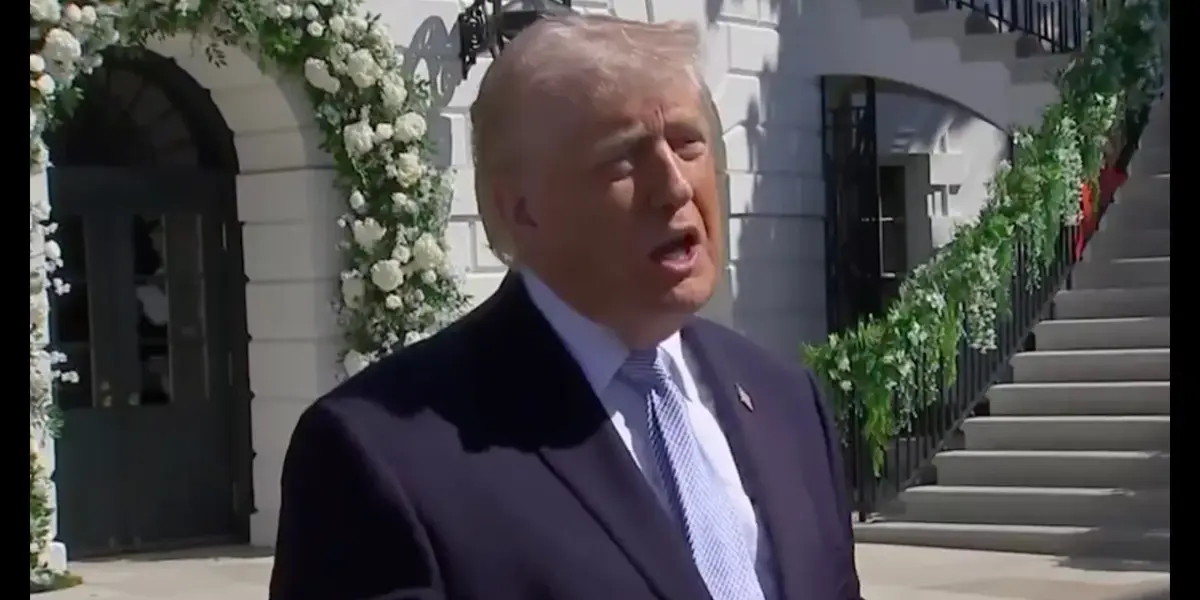
Donald Trump made a clear promise to voters: he would end the endless wars and bring American troops home. He often spoke against the costly conflicts in the Middle East, especially during his 2016 campaign. However, recent actions and statements suggest a sharp turn from those promises, leaving many of his supporters questioning his commitment.
Shifting Stance on Conflict
In a recent public admission, Trump addressed concerns about war, particularly with Iran. He stated that anyone not afraid of war is “foolish” and that the primary goal is preventing Iran from obtaining nuclear weapons. He argued that if the Iran nuclear deal from the Obama administration had remained intact, Israel would have been destroyed. He also highlighted the killing of Qasem Soleimani as a critical step in weakening Iran.
Trump’s message seems to be that if you don’t support the potential for war, you are not thinking clearly. This directly contradicts his campaign rhetoric, where he positioned himself as the candidate who would keep America out of new conflicts. The implication is that his previous stance might have been a political tactic rather than a deeply held belief. This admission appears to alienate the very voters who believed in his anti-war message.
Contradictions in Policy
The video transcript points out a stark contrast between Trump’s campaign promises and his administration’s actions. While he ran on an “America First” platform, focusing on domestic issues and avoiding foreign entanglements, critics argue that his policies have made life more expensive for Americans. They cite rising grocery prices, utility bills, and gas costs, suggesting that his administration has not prioritized the financial well-being of ordinary citizens.
Furthermore, there’s criticism that while Trump campaigned against costly wars, his administration has pursued policies that could lead to greater military spending. The transcript mentions a proposed $1.5 trillion defense budget, nearly double the current amount, despite the Department of Defense failing audits for years. This focus on military spending, coupled with proposed cuts to domestic programs like Medicaid and the Affordable Care Act, leads to the conclusion that the administration’s priority is war, not the welfare of its citizens.
The Appeal of “Taking the Oil”
A particularly striking statement attributed to Trump suggests a motivation for military action tied to resources. When asked about his preference in a conflict, he reportedly said he would “take the oil because it’s there for the taking.” He suggested this would make money for the U.S. and also benefit the people of Iran, claiming their current leadership has caused immense suffering. This echoes historical justifications for intervention, often linked to securing valuable resources.
This perspective aligns with a long-standing debate about the role of oil in international conflicts. Throughout history, access to energy resources has influenced foreign policy decisions. The idea of intervening in a country to secure its oil reserves, while presented as potentially beneficial, raises serious ethical and practical questions. It also directly contradicts the anti-war sentiment that propelled Trump to power.
Domestic Priorities vs. Military Spending
Trump’s administration has also faced criticism for its stance on domestic spending. He has suggested that issues like daycare, healthcare, and other social programs are best handled at the state level, not by the federal government. Instead, he emphasizes that the federal government’s sole responsibility should be military protection. This creates a narrative where federal funds are prioritized for defense and overseas conflicts, while domestic needs are downplayed.
This approach is seen by critics as a direct betrayal of his promises to help everyday Americans. During his campaign, he highlighted rising costs of living, using terms like “groceries” to connect with voters. However, once in office, his party has been accused of cutting programs that assist millions, such as food assistance and health insurance subsidies. This disconnect between campaign promises and governing actions fuels the argument that voters were misled.
Historical Context of Broken Promises
The pattern of shifting promises is not unique to Trump, but the intensity and directness of these contradictions are notable. Throughout history, political leaders have often faced scrutiny for failing to uphold campaign pledges. However, the current political climate, characterized by deep polarization, amplifies the impact of such perceived betrayals. Voters who felt disenfranchised by previous administrations saw Trump as an alternative, a candidate who promised to shake up the status quo.
The criticism extends beyond Trump himself to the broader Republican party. The transcript suggests that many Republican leaders have enabled Trump’s actions by not challenging him, particularly when it came to foreign policy and domestic spending. This inaction, according to the analysis, has allowed a situation to develop where the party faces significant electoral risks, with a record number of retirements and potential losses in upcoming elections.
Why This Matters
This analysis is crucial because it touches upon the core of democratic accountability: the relationship between elected officials and their constituents. When a leader’s public statements and actions diverge so dramatically, it erodes trust in the political process. For voters who supported Trump based on his promise to avoid costly wars and focus on domestic needs, the perceived shift is not just a policy disagreement but a fundamental breach of trust.
The implications extend to national security and foreign policy. A consistent and clear foreign policy is vital for maintaining stability and protecting national interests. When a leader’s stance appears inconsistent or driven by motives other than stated goals, it can create uncertainty for allies and adversaries alike. Furthermore, the prioritization of military spending over domestic programs has direct consequences for the lives of ordinary citizens, affecting their access to healthcare, education, and social safety nets.
Future Outlook
The future outlook suggested by this analysis is one of continued political division and potential disillusionment. If voters feel that their trust has been betrayed, it could lead to further shifts in political allegiances or a general disengagement from the political process. For the Republican party, the challenge will be to reconcile its platform with the expectations of its base, especially if the current trajectory leads to electoral losses.
The conversation also highlights the ongoing debate about America’s role in the world and the balance between “America First” ideals and global engagement. The tension between a desire for peace and the perceived necessity of military intervention, especially concerning resources like oil, will likely remain a central theme in political discourse. The effectiveness of future leaders may depend on their ability to navigate these complex issues with transparency and consistency, truly addressing the concerns of all their constituents.
Source: Trump STUNS his base with EXPLOSIVE public admission (YouTube)

Related Articles

Dem Rep. Calls Trump’s Iran Threats ‘Apocalyptic’
Democratic Congresswoman Yasemin Anzari has strongly condemned President Trump's "apocalyptic" threats against Iran, warning of potential genocide and nuclear war. She is calling for the 25th Amendment to be invoked and is introducing articles of impeachment against Defense Secretary Pete Hegseth. Anzari fears the President's rhetoric could strengthen the Iranian regime and harm its people.
Republican Party’s Trump Era: A Reckoning Looms
A sharp critique argues the Republican Party is complicit in the nation's current struggles, urging voters to reconsider their support. The analysis questions the party's benefit to anyone but the wealthy, citing economic hardship as evidence.
Trump’s Iran Ultimatum: Civilization on the Brink?
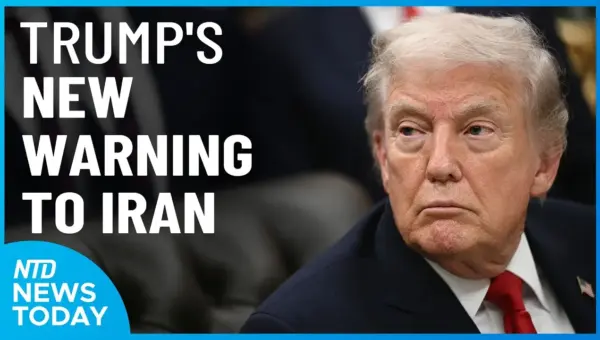
President Trump issued a dire warning to Iran with a Tuesday deadline for a deal, fearing "a whole civilization will die." U.S. strikes on Kharg Island occurred, but officials state U.S. strategy remains unchanged. This escalation highlights ongoing tensions and their global implications.