Trump’s War on Reality: A Nation’s Growing Concern
Concerns are mounting over Donald Trump's rhetoric and perceived disconnect from reality, from trivializing war to making questionable claims about his own knowledge. Even former allies are urging caution, as his actions raise serious questions about his fitness for leadership and the nation's priorities.

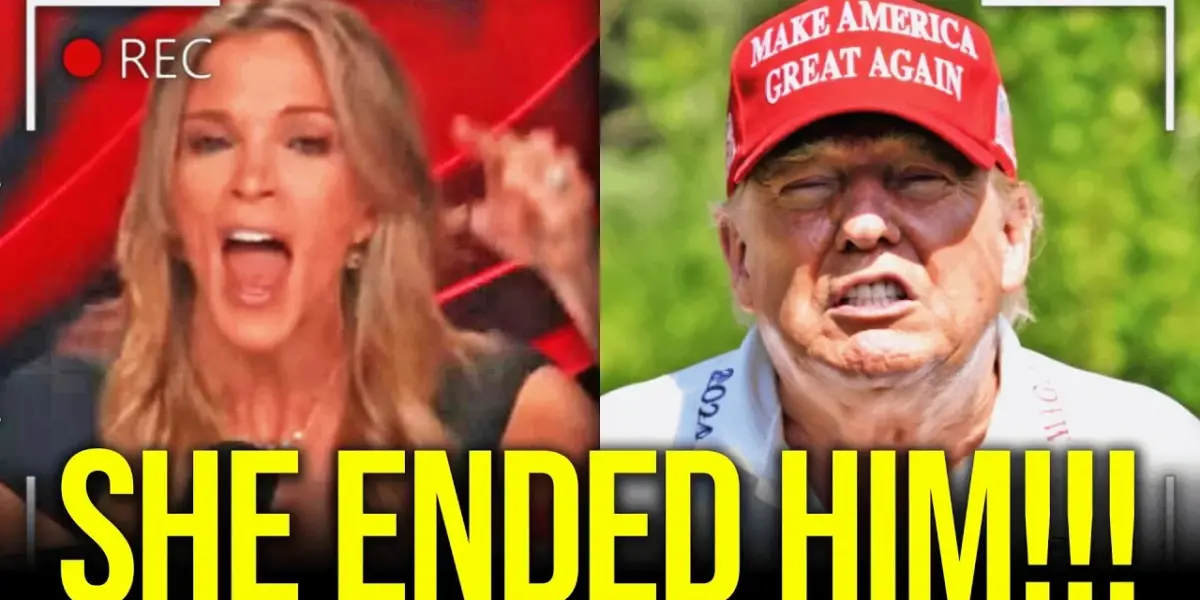
Trump’s War on Reality: A Nation’s Growing Concern
The recent actions and statements by Donald Trump have raised serious questions about his fitness for office and his understanding of critical world events. From treating military actions like a video game to making questionable claims about his own knowledge and mortality, the former president’s behavior is drawing sharp criticism, even from former allies.
Missiles and Video Games: A Troubling Analogy
One of the most striking moments highlighted in recent discussions involves Trump seemingly describing missile launches as if playing a video game. The transcript describes a scenario with “101 missiles coming at him” and a countdown to “fire, fire, fire.” This casual, almost detached, description of military action is deeply unsettling. Imagine if President Biden treated a war like a video game while soldiers returned home in coffins. This kind of framing trivializes the gravity of war and the lives of those involved.
This behavior fuels concerns about Trump’s cognitive state, with some suggesting his decline has been evident for years. The contrast between this flippant attitude and the harsh reality of war, where American troops have died and been injured, is stark. It raises the question: is this the kind of leadership America needs in a complex global landscape?
The Shifting Political Landscape
Despite Trump’s often perceived political invincibility, his poll numbers are reportedly taking a hit. The culture surrounding his political movement also seems to be shifting. For many, the core reason for supporting Trump was economic prosperity and a sense of regaining lost ground. People believed he would prioritize their pocketbooks and keep government resources focused domestically, rather than on foreign wars or expanding government programs.
However, the reality has proven different for some. Instead of economic gains, there’s a feeling that government resources are being poured into foreign conflicts and AI programs, which might even lead to job losses in the near future. This disconnect between promises and outcomes is leaving many voters unhappy, especially with the economy facing inflation and recession fears, a scenario many economists warned about under Trump’s policies.
Megyn Kelly’s Plea and the Search for Accountability
Even figures who have previously supported Trump are now expressing concern. Megyn Kelly, for instance, has publicly urged Trump to end his involvement in foreign wars. She tweeted, “Five alarm fire. For the love of all that is holy, we need to get out of Iran and work full-time on people’s money worries.” This sentiment reflects a growing anxiety among the public about the country’s focus and resources.
“It’s delightful to think about someone holding him to account for the lies he told that got us into this war. H stop with that President Trump’s decision. I’m aware, but someone talked him into it. And those people should be held to account as this thing goes south.”
Kelly’s comments also highlight a desire for accountability, not just from Trump but from those who advised him. She points to figures like Benjamin Netanyahu, Lindsey Graham, and media personalities who advocated for certain military actions. The idea is that if these actions go poorly, those who pushed for them should also face scrutiny. This raises complex questions about who truly influences presidential decisions and how those influences should be examined.
Confusing Rhetoric and Existential Doubts
Adding to the confusion are Trump’s own public statements. His rhetoric has become increasingly aggressive, labeling Democrats as “terrorists” and “sick individuals.” This stark contrast to past election cycles, where calling a group “deplorables” was a major scandal, shows a significant shift in acceptable political discourse. Now, such inflammatory language seems to be met with indifference by many.
Even more peculiar are Trump’s public musings on his own mortality and chances of reaching heaven. He has expressed doubt about being “heaven bound,” suggesting he might “not be heaven bound” and even joking about it. While he frames these as jokes, they are delivered in a way that seems to reflect genuine uncertainty, leaving many to question the mental state of a potential leader. This kind of talk, especially when discussing serious matters like war, is deeply unusual for someone seeking the highest office.
Extraordinary Claims and Questionable Narratives
The narrative around Trump’s capabilities is further complicated by extraordinary claims made by his supporters. Robert F. Kennedy Jr., for example, described Trump as having “encyclopedic molecular knowledge” on a vast range of subjects, from music and sports to business and foreign policy. He recounted a story of Trump drawing a perfect map of the Middle East with troop strengths on a placemat during a campaign flight.
This portrayal paints Trump as a genius with unparalleled depth of knowledge. However, this clashes with other anecdotes, like the infamous birthday card sent to Jeffrey Epstein, which raises questions about Trump’s judgment and awareness. The discrepancy between these grand claims and more concerning past actions leaves observers struggling to reconcile the different facets of his public persona. It makes one wonder if the stories are meant to bolster his image rather than reflect reality.
Focus on Cost of Living vs. Grand Projects
While the nation grapples with pressing issues like the cost of living, economic uncertainty, and ongoing global conflicts, Trump’s public focus often drifts to other matters. Recent appearances have shown him discussing grand construction projects, like a duplicate of the White House, and engaging in symbolic gestures during prayer services. These actions seem disconnected from the everyday concerns of most Americans.
The inconsistency in his messaging, such as calling a conflict an “incursion” one moment and a “war” the next, adds to the confusion. This lack of clarity, combined with a perceived detachment from pressing economic worries and global instability, makes it difficult for many to understand where his priorities truly lie. The gap between the everyday struggles of citizens and the grand pronouncements from leaders is widening, creating a sense of unease.
Why This Matters
The concerns raised about Donald Trump’s rhetoric, decision-making, and perceived cognitive state are not merely political talking points. They speak to fundamental questions about leadership, stability, and the nation’s direction. When a potential leader appears to trivialize war, makes contradictory statements, and seems disconnected from the economic realities faced by citizens, it impacts national security, public trust, and international relations.
The desire for accountability, the questioning of advisors, and the public’s focus on tangible issues like the economy are all signs of a citizenry looking for clarity and competence. The contrast between the serious challenges facing the country and the often bizarre or self-serving narratives presented by some political figures is a critical issue for voters to consider. The future outlook depends on whether leaders can effectively address the real concerns of the people they aim to represent.
Historical Context and Future Outlook
Throughout history, voters have often elected presidents based on promises of prosperity and stability. The current moment, however, feels different. The polarization and the nature of the discourse, particularly around figures like Trump, suggest a departure from traditional political engagement. The ease with which inflammatory language is used and the challenges in holding leaders accountable are significant trends.
Looking ahead, the ability of the political system to foster reasoned debate and ensure leaders are grounded in reality will be crucial. The disconnect between the perceived needs of the populace and the public actions of some politicians could lead to further disillusionment. The question remains whether the political culture can return to a place where substance and sound judgment are prioritized over spectacle and divisive rhetoric. The current trajectory suggests a challenging road ahead, one where voters must carefully weigh character, competence, and concrete policy proposals against the allure of simple answers and bombastic promises.
Source: Megyn Kelly Delivers FINAL BLOW to Trump (YouTube)

Related Articles

MAGA Movement’s Grip: Echoes of January 6th Persist
Audio from January 6th reveals a disturbing justification for the actions of Ashli Babbitt, highlighting the persistent and troubling narratives within parts of the MAGA movement. This mindset continues to pose challenges to democratic norms.
Trump Weighs War Crime Threat Over Iran Strait
President Trump is reportedly willing to accept the continued closure of the Strait of Hormuz, despite earlier threats, signaling a shift in U.S. demands. This comes as gas prices surge and markets react negatively to the ongoing conflict. Conflicting messages from within the administration fuel confusion about the war's objectives and exit strategy.

Trump’s Wealth vs. Biden’s Economy: A Stark Contrast?
A debate contrasts Donald Trump's reported crypto earnings with concerns over Biden's economy, including rising inflation and gas prices. The discussion critically examines proposed fiscal policies and their impact on national debt and social programs.