Trump’s ‘War on Fraud’ Sparks Controversy and Questions
Donald Trump has declared an official "war on fraud," appointing VP J.D. Vance to lead the charge against government waste. The initiative aims to reclaim taxpayer dollars but has drawn criticism for controversial examples and accusations of political favoritism.

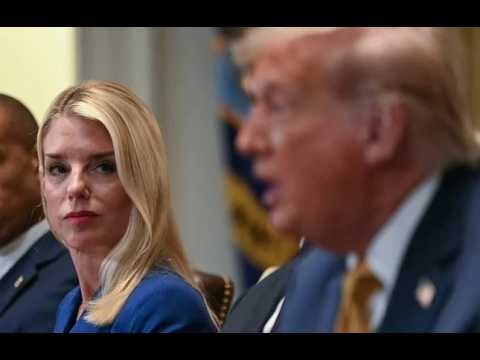
Trump Declares ‘War on Fraud,’ Taps VP Vance to Lead
In a move that has ignited significant debate, former President Donald Trump has declared an official “war on fraud” within the federal government, appointing Vice President J.D. Vance to spearhead the initiative. The announcement, made during a recent address, frames the effort as a revolutionary step to reclaim taxpayer dollars lost to swindlers, scammers, and cheats. Trump lauded Vance as uniquely qualified, citing his purported exceptional memory and the administration’s commitment to a “whole government approach” to combatting financial malfeasance.
Focus on Government Waste and Accountability
The “war on fraud” is positioned as a direct response to long-standing issues of government waste and a lack of accountability. Trump’s rhetoric suggests a significant shift from previous administrations, emphasizing the need to scrutinize agencies like the Department of Defense, which has reportedly failed audits for eight consecutive years. This initiative comes amidst a proposed historic increase in defense spending, with a $1.5 trillion budget for the upcoming year, representing a 50% jump from the current Pentagon budget. The administration aims to answer the critical question of where taxpayer money is being allocated and to hold accountable those who have allegedly profited from government inefficiency and deceit.
“Finally, someone is here to answer the question, where have all our taxpayer dollars gone? That’s what makes this so revolutionary.”
Allegations of Complicity and Personal Profit
The initiative also raises pointed questions about potential complicity among government officials and the personal financial gains of political figures. Critics have highlighted instances where individuals in government may have benefited from fraudulent activities through campaign donations or direct enrichment. The transcript references an estimate from The New York Times editorial board suggesting that the Trump family may have profited significantly, upwards of $1.4 billion, during Trump’s first year in office through various ventures, including licensing deals and overseas projects. This financial activity has led to scrutiny regarding potential conflicts of interest and the perception of personal gain amidst the administration’s stated goals of combating fraud.
Department of Justice and Congressional Involvement
The Department of Justice is slated to play a central role in the “war on fraud,” with investigations and potential prosecutions of fraudsters. However, the scope of this initiative has led to discussions about the role of Congress. While some, like Representative Jim Jordan, have been characterized as prioritizing other matters, the transcript implies that congressional oversight and action are also expected. The effectiveness and focus of these efforts, particularly concerning potential political motivations, remain subjects of intense public and media scrutiny.
Controversial Examples and Accusations
The campaign against fraud has been marked by controversial examples and accusations. Vice President Vance specifically pointed to Minnesota as a site of significant alleged fraud, estimating that members of the Somali community have defrauded American taxpayers of an estimated $19 billion. This statement has drawn sharp criticism, with accusations of xenophobia and scapegoating minority communities for broader systemic issues of financial mismanagement. The transcript juxtaposes this with the pardoning of individuals convicted of financial crimes, including a billionaire felon and reality TV stars Todd and Julie Chrisley, raising questions about the selective application of justice and the potential for political favoritism.
“When it comes to the corruption that is plundering really it’s plundering America. There’s been no more stunning example than Minnesota, where members of the Somali community have pillaged an estimated $19 billion dollars from the American taxpayer.”
Broader Implications and Future Outlook
The “war on fraud” initiative, as articulated, appears to be a multifaceted effort with significant political and social implications. It taps into public frustration over government spending and accountability while simultaneously raising concerns about the potential for political weaponization and the targeting of specific communities. The effectiveness of this campaign, its adherence to principles of fairness and justice, and its impact on public trust in institutions will be critical areas to monitor in the coming months. The administration’s ability to navigate these complex issues without exacerbating social divisions will be a key determinant of its success and legacy.
Source: Trump’s new “war” BLOWS UP in his face | Another Day (YouTube)

Related Articles
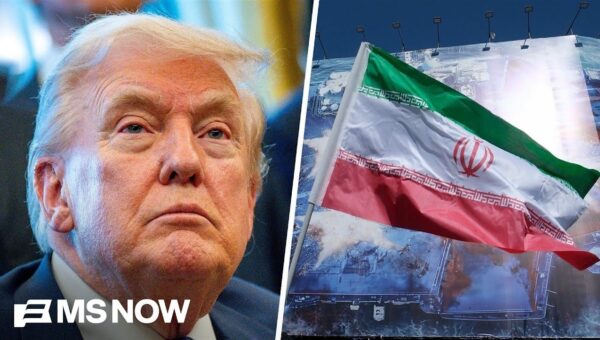
Trump Open to Iran Talks After Attacks, Shifts on Regime Change
President Trump has agreed to negotiate with Iran's new leadership following recent U.S. and Israeli attacks, signaling a potential shift from his regime change objective. The move has drawn scrutiny from former officials who question the strategic coherence of U.S. policy.
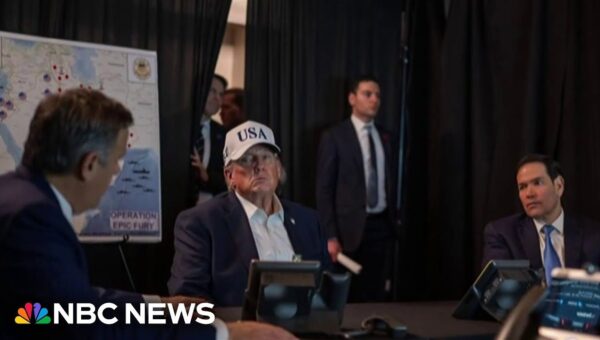
Trump: Iran Strikes Ahead of Schedule, Expects ‘Great Deal for World’
Three U.S. service members have been killed amid escalating conflict with Iran, President Trump confirmed. He stated that strikes are ahead of schedule, with senior Iranian leaders killed, and expressed optimism for a "great deal for the world" despite ongoing talks with Iranian officials.
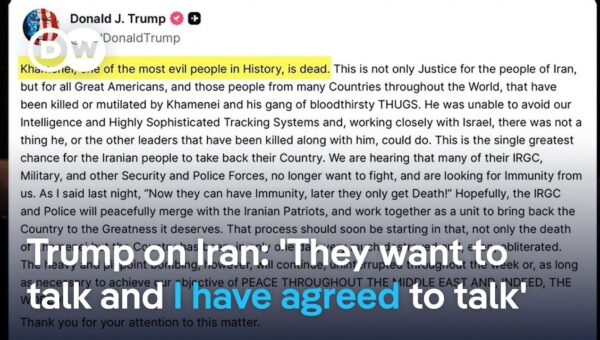
Trump Agrees to Talks with Iran After Major Strikes
President Donald Trump has agreed to talks with Iran's leadership following coordinated strikes that reportedly killed key figures, including the Supreme Leader. While Trump claims significant military successes, U.S. strategy remains unclear, and public opinion shows limited support for the actions amid rising American casualties.