Trump’s ‘War on Fraud’ Misses Real Global Adversaries
President Trump's declared 'war on fraud' is misdirected, according to expert Linda Miller. While acknowledging domestic fraud issues, she argues the real threat lies with transnational criminal organizations and state-sponsored actors. The initiative risks overlooking the true adversaries costing the U.S. billions annually.

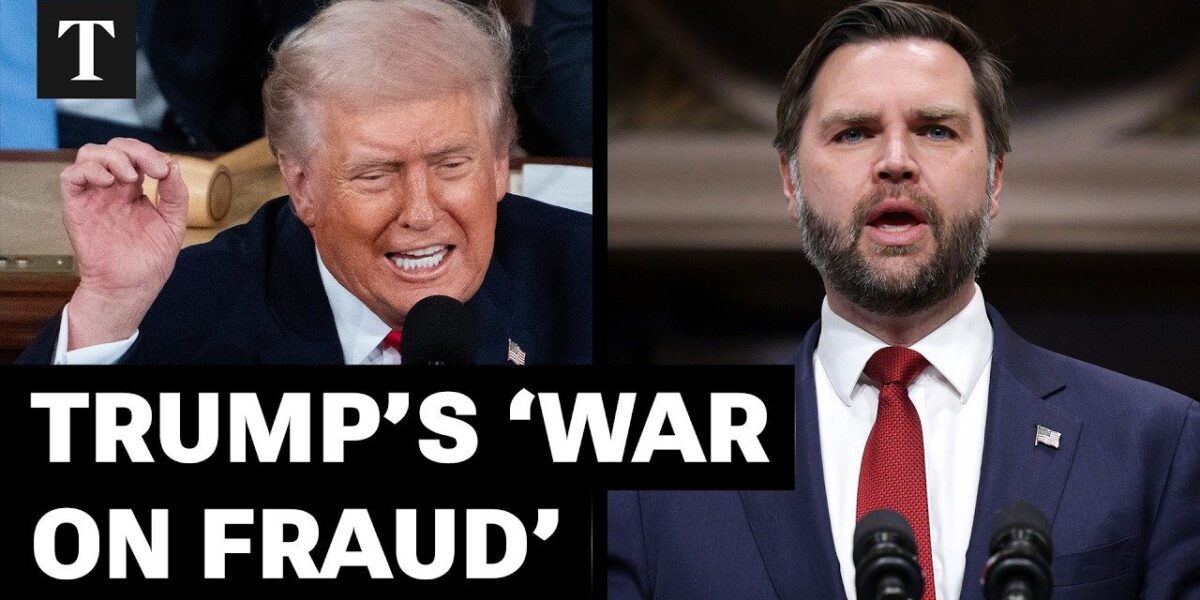
Trump Declares ‘War on Fraud,’ Experts Question Target
In a recent State of the Union address, U.S. President Donald Trump announced a new initiative, declaring a “war on fraud” to be led by Vice President J.D. Vance. The President cited corruption, specifically highlighting a scandal involving the Somali community in Minnesota, alleging they “pillaged an estimated $19 billion” from taxpayers. He extended this concern to other states like California, Massachusetts, and Maine, framing the issue as a critical threat to the nation’s fabric. However, experts like Linda Miller, founder and CEO of Audient Group, argue that this declared war is misdirected, failing to address the true, sophisticated adversaries engaged in widespread fraud against the U.S.
The Minnesota Scandal: A Case Study in Misdirection
The President’s remarks pointed to a significant fraud scandal that emerged in Minnesota, primarily centered around a pandemic-era program called “Feeding Our Future.” This organization allegedly exploited a program designed to feed hungry children, with the fraud later expanding to other human service benefit programs, including childcare centers. While the existence of fraud in Minnesota is confirmed, Miller suggests that the scandal has been politically amplified. She notes that the focus on a “Democratic state with a very high-profile Democratic governor” serves a narrative pushed by the administration, which posits that fraud is predominantly perpetrated through Democratic-led state benefit programs. Miller clarified that while fraud did occur, some viral social media accounts exaggerated claims, misinterpreting legitimate security measures at childcare centers as evidence of defunct operations.
“We have evidence that this that fraud has occurred in Minnesota. Um, and we have also seen an enormous political fanning of the flames of this particular fraud scandal because it happened in a Democratic state… and because it fits a narrative this administration has been pushing that fraud is primarily perpetrated through uh Democratic stateun benefits programs.”
Linda Miller, Founder and CEO of Audient Group
The True Scale of Government Fraud
Linda Miller emphasized that fraud is an endemic problem within U.S. federal government programs, predating any specific administration. Citing a report from the Government Accountability Office (GAO), she revealed that the U.S. government loses up to $521 billion annually to fraud alone. Miller believes this figure is likely an understatement, underscoring the immense financial drain. While acknowledging the need for a concentrated effort, akin to a “presidential war on fraud,” she expressed concern that the current initiative is not targeting the actual perpetrators.
Identifying the Real Adversaries: Transnational Criminal Organizations
According to Miller, the primary adversaries in the fight against fraud are not domestic communities exploiting benefit programs, but rather sophisticated, transnational criminal organizations. These groups, operating from Eastern Europe, Russia, China, and other regions, have been exploiting U.S. programs, including those established during the pandemic. Miller stated that these criminal networks are indiscriminate, targeting all states regardless of political affiliation. She highlighted recent investigations into “scam compounds,” often operated by well-organized international gangs, particularly in Southeast Asia and the UAE. These compounds function as virtual islands, utilizing technology like satellite internet to perpetrate scams globally.
Challenges in Combating State-Sponsored and International Fraud
Addressing these international fraud networks presents significant challenges, especially when state governments implicitly sanction or are complicit in their operations. Miller pointed to Chinese nationals operating scam compounds with the implicit approval of the Chinese government and Russian ransomware gangs attacking U.S. infrastructure while the Russian government looks the other way. She argued that when the U.S. frames its anti-fraud efforts primarily around immigration and domestic politics, it fails to confront these powerful, state-sponsored adversarial entities. The sheer scale of financial losses from these global operations is staggering, potentially reaching trillions of dollars worldwide, with actual declared losses often dwarfed by the true extent of the problem.
A Counterproductive Approach?
Miller expressed pessimism about the current U.S. administration’s commitment to tackling the true scale and scope of international fraud. She noted that certain government actions have been counterproductive, including the near-suspension of enforcement for the Foreign Corrupt Practices Act (FCPA). This, she contends, hinders the U.S.’s ability to combat international corruption effectively. The focus on politically expedient targets, rather than the complex, international criminal enterprises, suggests a strategic misstep in the declared “war on fraud.”
Looking Ahead: The Need for Global Cooperation
The fight against sophisticated transnational fraud requires a robust, sustained, and internationally coordinated effort. Experts like Linda Miller emphasize that without a comprehensive strategy that addresses state-sponsored actors and international criminal networks, and without dedicated resources and a shift in focus away from politically charged narratives, the U.S. risks continuing to lose billions, if not trillions, to adversaries operating with impunity on a global scale. The effectiveness of President Trump’s declared “war on fraud” will ultimately be measured by its ability to confront these formidable global challenges, rather than its success in targeting domestic issues that may serve a narrower political agenda.
Source: Trump’s ‘War On Fraud’ Is Targeting The Wrong Enemy | Linda Miller (YouTube)

Related Articles

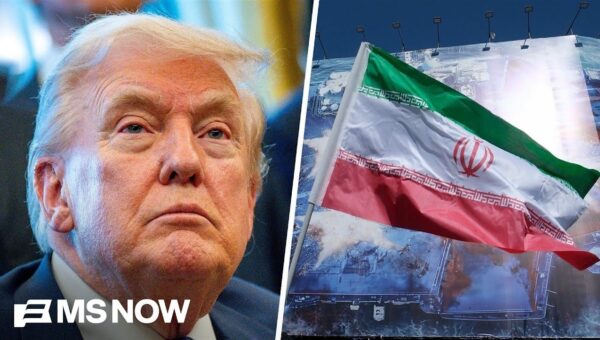
Trump Open to Iran Talks After Attacks, Shifts on Regime Change
President Trump has agreed to negotiate with Iran's new leadership following recent U.S. and Israeli attacks, signaling a potential shift from his regime change objective. The move has drawn scrutiny from former officials who question the strategic coherence of U.S. policy.

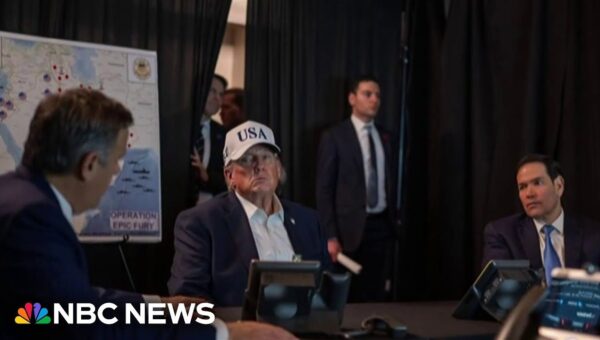
Trump: Iran Strikes Ahead of Schedule, Expects ‘Great Deal for World’
Three U.S. service members have been killed amid escalating conflict with Iran, President Trump confirmed. He stated that strikes are ahead of schedule, with senior Iranian leaders killed, and expressed optimism for a "great deal for the world" despite ongoing talks with Iranian officials.
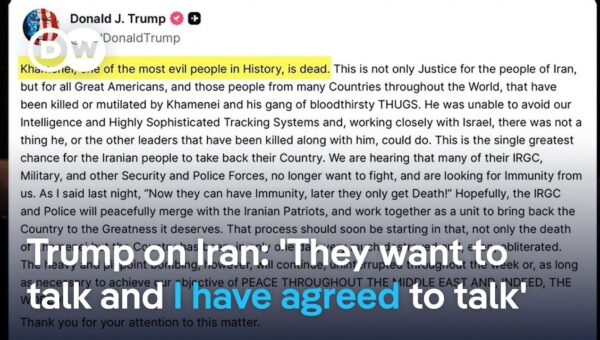
Trump Agrees to Talks with Iran After Major Strikes
President Donald Trump has agreed to talks with Iran's leadership following coordinated strikes that reportedly killed key figures, including the Supreme Leader. While Trump claims significant military successes, U.S. strategy remains unclear, and public opinion shows limited support for the actions amid rising American casualties.