Trump’s War on Allies Signals MAGA Movement’s Decay
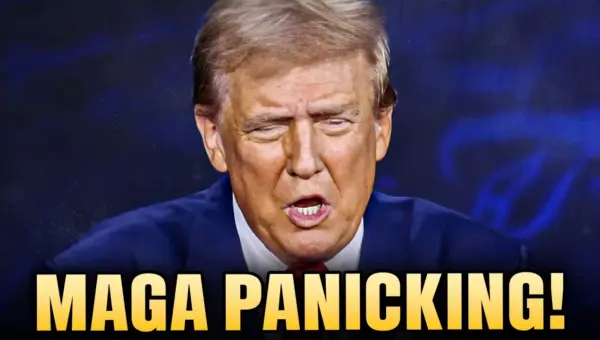
Donald Trump's recent attacks on figures like Tucker Carlson and Megyn Kelly signal a fracturing MAGA movement. His furious response to criticism, particularly regarding his rhetoric on Iran and questions about his stability, suggests a leader under pressure attempting to regain control.

Trump’s War on Allies Signals MAGA Movement’s Decay
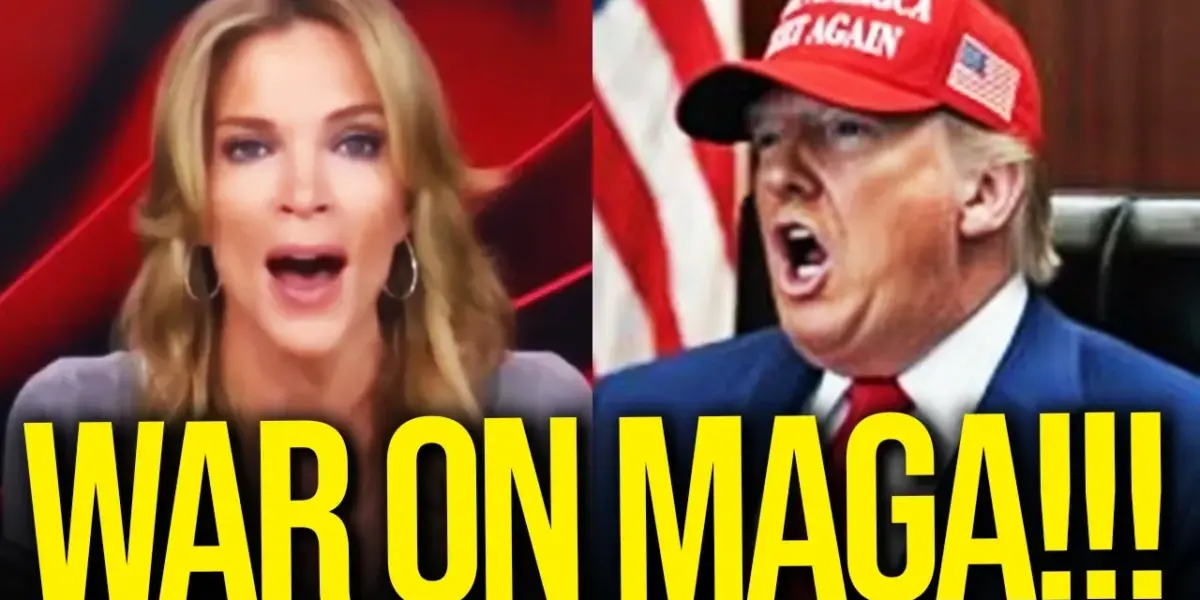
Donald Trump appears to be feeling the heat, and his response has been to lash out. He recently launched a furious attack on some of his most prominent supporters, including Tucker Carlson, Megyn Kelly, Candace Owens, and Alex Jones. This broadside, delivered via a lengthy Truth Social post, suggests a movement fracturing from within.
A Public Unraveling
The transcript details Trump’s angry outburst, painting a picture of a leader under pressure. He accuses these former allies of having “low IQs” and being “stupid people.” He claims they want Iran to have nuclear weapons and that they are merely “troublemakers” seeking cheap publicity. Trump dismisses their current platforms, like podcasts, as irrelevant, asserting that “nobody’s talking about them.” He argues their views are contrary to the MAGA base, despite the fact that he himself is currently giving them attention by attacking them.
This public spat is more than just a personal feud; it highlights a deeper division within the MAGA movement. Figures like Carlson and Kelly have recently expressed significant doubts about Trump’s policies and actions, particularly concerning foreign policy and his approach to the conflict involving Israel. Their criticisms, once whispered, have become more public, and Trump’s aggressive counter-attack seems aimed at silencing dissent and reasserting control.
Echoes of Past Criticisms
The transcript points out that these criticisms are not entirely new. Tucker Carlson, for instance, has been vocal about his concerns regarding Israel’s financial independence and its relationship with the United States. His recent statements suggest a desire for a more conventional, less entangled foreign policy, a stance that seems to directly contradict Trump’s own past approaches.
Similarly, Megyn Kelly has also voiced strong opinions, particularly regarding the ongoing conflict. The transcript notes that Trump’s reaction to these criticisms is particularly sharp, especially when they come from individuals who have previously been staunch supporters. The article suggests that Trump’s anger stems from these figures now speaking truths that contradict his narrative, even if they were instrumental in building his support base.
The 25th Amendment Moment
A key element driving this conflict is Trump’s recent rhetoric concerning Iran. His suggestion of an “entire civilization ending threat” and calls for potential military action, which were thankfully backed down from, have drawn serious concern. This rhetoric has led some, even within his own political circle, to question his stability.
The transcript highlights Marjorie Taylor Greene’s public call for the 25th Amendment to be invoked. She described Trump’s threats as “madness” and indicative of “serious instability in his thinking.” Greene argued that such calls for mass destruction should never be tolerated and that a conversation about removing a president from power due to instability is necessary. She specifically cited Trump’s social media posts as a reason for concern, stating that he is “out of control.”
Trump’s response to these 25th Amendment discussions, and to Greene’s direct comments, was to double down on his attacks. His lengthy Truth Social post, which seemed to confirm the very concerns about his mental state, only fueled the fire. The transcript suggests his outburst was a desperate attempt to deflect from the serious questions raised about his judgment and stability.
“The president of the United States is throwing not just a temper tantrum, but he’s trying to point fingers at other people, divert attention away from them, and then he went on an egotistical rant saying, ‘I don’t even return their calls anymore.'”
Historical Context: A Pattern of Division
Donald Trump’s political career has often been marked by a combative style, both towards opponents and, at times, towards allies. He has a history of publicly criticizing individuals who deviate from his expected loyalty, often using strong, personal language. This latest wave of attacks is not entirely out of character, but the targets – prominent figures within his own movement – signal a shift.
The MAGA movement itself has been built on a foundation of perceived grievances and a strong leader demanding unwavering support. When key figures who helped amplify that message begin to question the leader or his policies, it creates a vacuum. Trump’s response has consistently been to attack the messenger, rather than address the substance of the criticism. This tactic may work in the short term to rally his base, but it risks alienating the very voices that have been crucial to his influence.
Why This Matters
This internal conflict within the MAGA sphere is significant because it could represent a turning point. As key media figures and commentators who have championed Trump begin to distance themselves or voice serious concerns, it challenges the narrative that Trump controls all information within his movement. The transcript argues that Trump’s attacks are a desperate attempt to maintain relevance and control over the MAGA narrative, but they may, in fact, be accelerating its fragmentation.
Furthermore, the discussion around the 25th Amendment, brought to the forefront by Trump’s own rhetoric and the reactions to it, raises serious questions about his fitness for office. When members of his own political sphere begin to publicly question his mental stability, it moves beyond partisan politics and into the realm of governance and national security. Trump’s aggressive response, attacking families and labeling critics as “losers” and “low IQ,” only amplifies these concerns.
Implications and Future Outlook
The future of the MAGA movement appears uncertain if this trend continues. Trump’s strategy of attacking his former allies could lead to a further splintering of his support base. While he may succeed in silencing some, he risks alienating others who are looking for more nuanced leadership. The transcript suggests that Trump is not engaging in these debates in good faith, but rather using personal attacks and insults to avoid genuine accountability.
This internal strife also has broader implications for the Republican Party and American politics. If the leading voice of the party is engaged in public feuds with prominent conservative figures, it creates instability and confusion for voters. The transcript implies that Trump’s focus on personal vindictiveness and attacks on individuals distracts from substantive policy discussions and the actual issues facing the country. The long-term effect could be a weakening of the conservative movement’s ability to present a united front and effectively govern.
Ultimately, the transcript suggests that Donald Trump is actively “shattering his own MAGA movement” through these public declarations of war on his former supporters. The outcome of this internal conflict will likely shape the future direction of a significant portion of American political discourse.
Source: Trump Declares War on MAGA over 25th Amendment (YouTube)

Related Articles

Iran’s Strait of Hormuz Blockade Shifts Global Oil Power
Iran's control over the Strait of Hormuz, a vital global oil route, is shifting economic power dynamics. As former President Trump declared a U.S. naval blockade, experts highlight Iran's effective use of this physical choke point, challenging U.S. financial leverage and potentially forcing negotiations under duress.

MTG Turns on Trump: Is MAGA’s Reign Over?
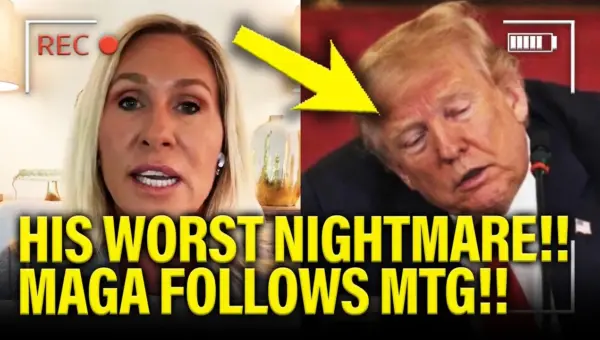
Marjorie Taylor Greene has launched a strong attack against Donald Trump, calling for his impeachment and the use of the 25th Amendment. Citing policy failures and character changes, Greene's criticisms echo sentiments from other conservative figures, suggesting a potential fracturing of the MAGA movement and raising questions about Trump's future influence.
MAGA Voices Admit Trump Is Hurting GOP’s Chances
Two prominent MAGA figures, Steve Bannon and Eric Bowling, are expressing concern that Donald Trump's influence is damaging the Republican party's chances in the upcoming midterms. While they focus on issues like gas prices, the analysis suggests they are close to realizing Trump himself is the core problem.