Trump’s War, Lies, and Economic Woes Dominate Political Discourse
A critical examination of the Trump administration's foreign policy, particularly the conflict in Iran, revealed alleged patterns of deception regarding costs, casualties, and strategic objectives. The broadcast highlighted the economic fallout, including rising gas prices and impacts on agriculture, alongside electoral signals suggesting growing dissatisfaction with the administration.

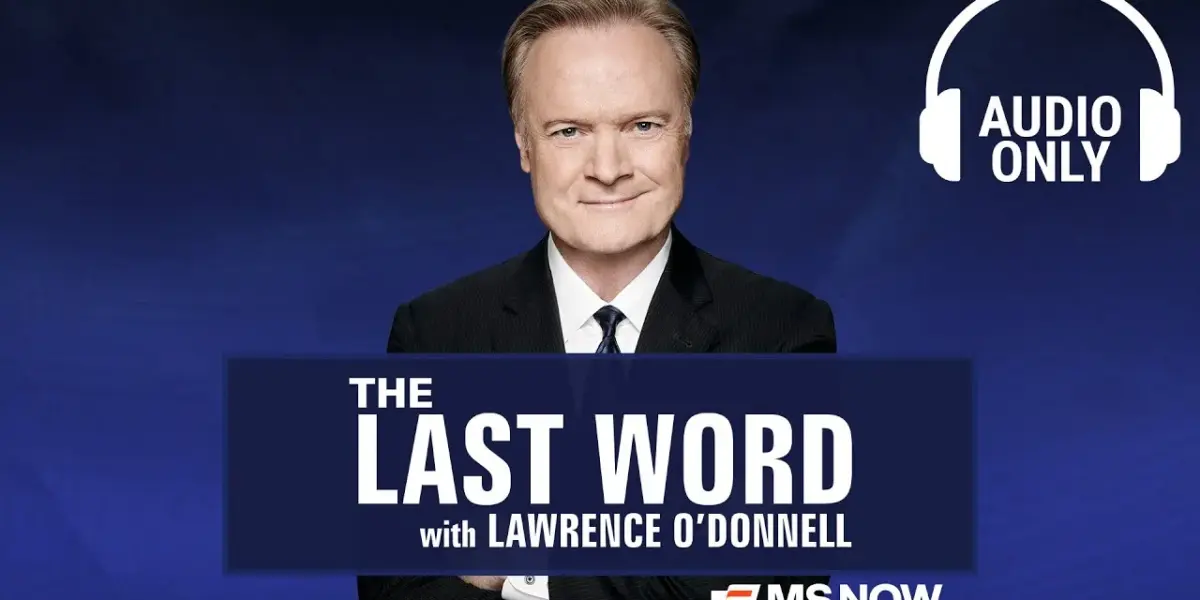
Trump’s War and Economic Fallout Take Center Stage
In a recent broadcast of “The Last Word with Lawrence O’Donnell,” the escalating costs and questionable justifications of the Trump administration’s foreign policy, particularly the conflict initiated in Iran, were critically examined. The program highlighted the administration’s alleged pattern of deception regarding the war’s financial burden, its casualties, and its strategic objectives. A significant portion of the discussion focused on the economic repercussions, including soaring oil and gasoline prices, and the broader impact on American agriculture.
Misinformation and Incompetence Alleged in War Strategy
Lawrence O’Donnell, along with guests like Democratic Congressman Adam Smith, a ranking member on the House Armed Services Committee, and Senator John Ossoff of Georgia, detailed a narrative of strategic miscalculation and a lack of transparency surrounding the conflict. The transcript suggests that the administration, including Defense Secretary Pete Hagel, has prioritized image management over accurate reporting of the war’s toll. O’Donnell cited Hagel’s alleged ban on news photographers from the Pentagon due to unflattering images as emblematic of this vanity.
The program also pointed to the New York Times’ reporting, which indicated that the Trump administration failed to anticipate the most obvious consequences of initiating the conflict, such as Iran potentially blocking 20% of the world’s oil supply through the Strait of Hormuz. This oversight, the transcript argues, directly contributed to the surge in global oil prices and subsequent increases in gasoline costs within the United States.
“Donald Trump and his sickopantic incompetence couldn’t see that one coming.”
The ‘Buck Stops Here’ vs. ‘I Don’t Know About It’
A stark contrast was drawn between the leadership philosophy of President Harry Truman, who famously embraced responsibility with his “The buck stops here” motto, and Donald Trump’s alleged evasiveness. The discussion revolved around a preliminary Pentagon investigation that found U.S. forces bombed a school in Iran due to outdated targeting information, resulting in the deaths of 175 people, many of them children. O’Donnell criticized Trump’s response to this event, particularly his assertion, “I don’t know about it,” when questioned about his responsibility as Commander-in-Chief.
The transcript detailed how the targeting information used was reportedly at least 10 years old, leading to the attack on a building that had been repurposed as a school. The administration’s initial response, including the White House press secretary reportedly labeling accurate reporting as “harassment,” was also scrutinized.
Economic Woes and Electoral Signals
The economic consequences of the administration’s policies were a recurring theme. Senator Ossoff highlighted how rising energy prices cascade through the entire economy, impacting industries like agriculture. He noted that a significant portion of international fertilizer trade passes through the Strait of Hormuz, leading to skyrocketing fertilizer and diesel prices for American farmers, who are already struggling with trade wars and retaliatory tariffs.
Ossoff also commented on a special election in Marjorie Taylor Greene’s district in Georgia, where a Democrat, retired Brigadier General Shawn Harris, came out on top in the vote count. Ossoff interpreted this result, along with his own polling data showing him ahead in his Senate race, as indicators of growing opposition and dissatisfaction with the Trump administration, not just among Democrats but also among independents and some Republicans.
“Georgia is the front line. Georgia is the most crucial battleground state in the country. And you know, this result last night shows the momentum that we’ve built… the tightest, hardest fought US Senate race in the country this year.”
Jeffrey Epstein Investigation Continues
The program also touched upon the ongoing investigation into Jeffrey Epstein, with Congressman Ro Khanna of California, a member of the House Oversight Committee, discussing his participation in the deposition of Epstein’s longtime accountant, Richard Khan. Khan reportedly admitted to facilitating a fake marriage for individuals connected to Epstein and impersonating Epstein in communications with banks. He also confirmed that Epstein spoke frequently about Donald Trump and that several prominent clients, including Les Wexner and Leon Black, paid Epstein substantial sums of money.
Congressman Khanna expressed skepticism about Khan’s claims of ignorance regarding Epstein’s alleged sex trafficking activities and highlighted the committee’s efforts to uncover more information, including a potential settlement paid by the Epstein estate to a woman who accused Donald Trump of rape. The investigation’s reliance on information initially brought to light by media, rather than law enforcement, was also noted.
Looking Ahead
The discussions throughout the broadcast suggest a critical juncture for the Trump administration, marked by escalating foreign entanglements, significant economic challenges, and increasing scrutiny from both the public and political opponents. The upcoming midterm elections and the ongoing investigations into figures like Jeffrey Epstein are likely to remain central to the political narrative in the coming months.
Source: The Last Word with Lawrence O'Donnell – March 11 | Audio Only (YouTube)

Related Articles
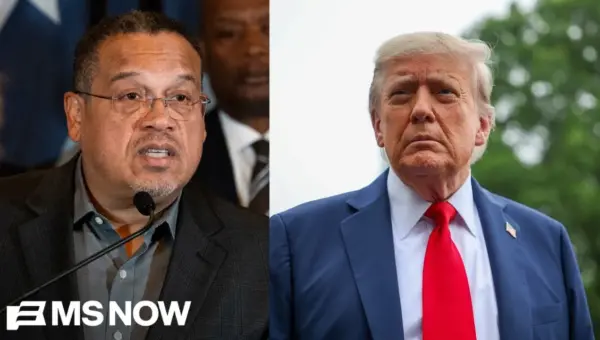
MN AG Blasts Trump’s ‘Wicked’ Insults Amid ‘No Kings’ Protests
Thousands protested President Trump's policies nationwide, with Minnesota AG Keith Ellison condemning his "wicked" and "corrupt" nature. Ellison also discussed a state lawsuit against the federal government over withheld evidence in officer-involved shootings.
Trump’s War Strategy Faces Skepticism Amidst Shifting Goals
President Trump's strategy in the ongoing Middle East conflict is facing increasing skepticism, even from his own base. While military actions have seen success, strategic goals are unclear and diverging from allies like Israel. The prolonged war and shifting public perception are creating a sense of uncertainty and doubt.
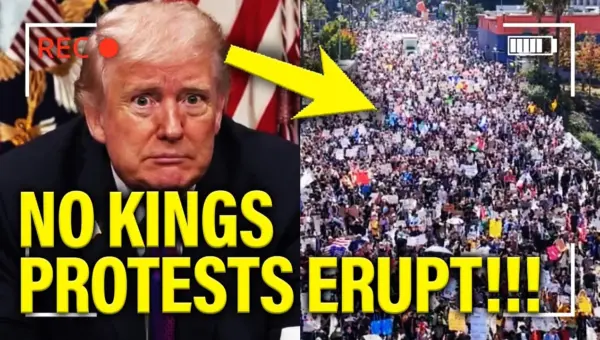
Protests Challenge Trump’s Grip as ‘No Kings’ Movement Grows
Massive 'No Kings' protests swept the nation, challenging the Trump administration and advocating for democratic values. Organizers highlighted growing support and a shift in protest tactics, positioning the movement as a force for positive change.