Trump’s War in Iran: Uncertain End Amidst Market Turmoil
The war in Iran, now in its second week, has triggered global concern with rising death tolls and soaring oil prices. President Trump's conflicting statements on the conflict's end and efforts to stabilize markets reveal underlying indecision amidst economic turmoil.

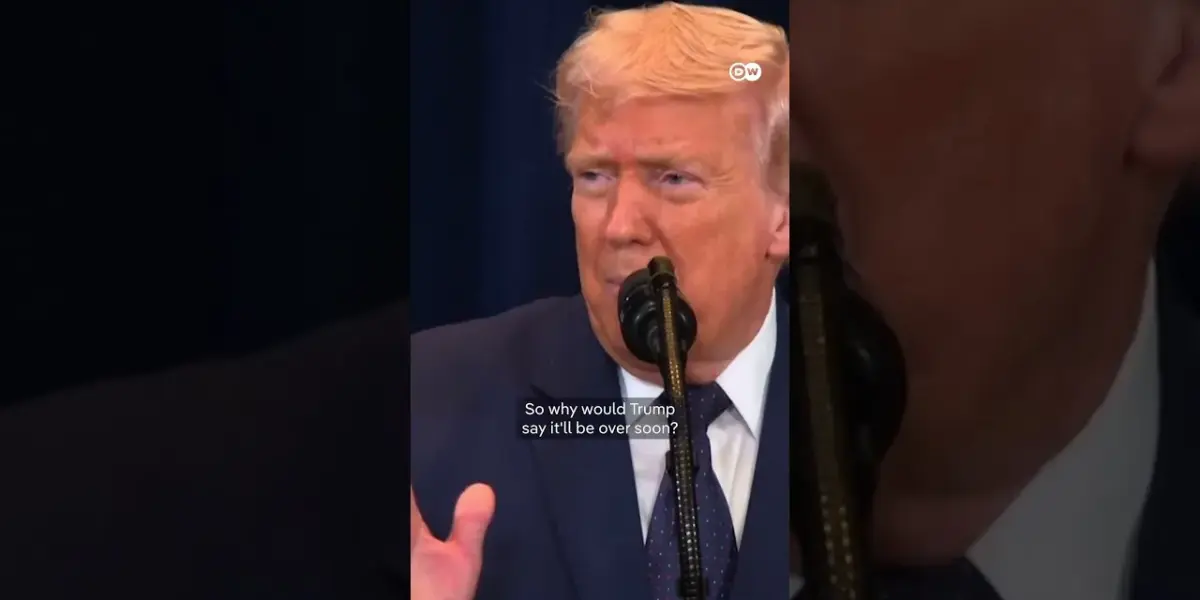
Global Markets Brace as Iran Conflict Enters Second Week
The war in Iran, now well into its second week, has ignited global concern as death tolls rise and oil prices surge. The central question on the minds of reporters and world leaders alike is when the conflict will end. However, even the architect of the war, U.S. President Donald Trump, appears uncertain about the timeline, offering conflicting signals about the potential duration and success of the military engagement.
Conflicting Signals from the White House
During a press conference, when pressed on the end date of the conflict, President Trump responded with a seemingly optimistic, “I think so. Very soon.” Yet, in the same briefing, he also stated, “We could call it a tremendous success right now as we leave here. I could call it. Or we could go further. And we’re going to go further.” This juxtaposition of messages has fueled speculation about the administration’s strategic objectives and its confidence in achieving a swift resolution.
Iran’s Stance Remains Ambiguous
On the Iranian side, newly appointed Supreme Leader Moshtab Ham has yet to make a public statement since his selection. However, a spokesperson for the Islamic Revolutionary Guards, an organization with close ties to Ham, offered a statement, as reported by Iranian state television, though its specific content regarding the war’s duration or Iran’s intentions was not detailed in the provided transcript. The lack of clear communication from Tehran adds another layer of complexity to an already volatile situation.
Economic Repercussions: Oil Prices and Market Volatility
The immediate and most palpable impact of the conflict has been on global oil markets. Iranian strikes in the Strait of Hormuz, a critical chokepoint through which approximately one-fifth of the world’s oil supply transits, have disrupted shipping routes and sent crude oil prices soaring. Before the war, a barrel of crude oil was trading around $70. Early this week, it had climbed to nearly $120. The volatility underscores the fragility of global energy security when key transit routes are threatened.
Market Stabilization Efforts
President Trump’s remarks about the war ending soon appeared to have an immediate, albeit temporary, effect on the markets. Following his statements, oil prices saw a notable drop, falling to under $90 a barrel. In a further attempt to stabilize the situation and alleviate economic pressure, Trump announced plans to lift oil-related sanctions. The specifics of which sanctions would be affected, particularly those targeting Russian oil and gas implemented following the 2022 invasion of Ukraine, remain unclear. This ambiguity leaves room for further market apprehension.
Expert Analysis: Indecision Amidst Economic Pain
Analysts suggest that the conflicting statements from President Trump may stem from a dual objective: calming global concerns over rising oil prices while simultaneously signaling a commitment to the ongoing military operation. “I think the immediate goal of calming the markets is important, um, and certainly, um, top of mind,” noted one observer. “And I think the thought going into it was, you know, we can handle higher prices for a few weeks. But as we see, it hasn’t even been a few weeks, um, and it’s starting to hurt already. So I think you see some indecision in these remarks.” The economic pain is evidently beginning to be felt, potentially influencing the administration’s public messaging and strategic calculations.
Broader Implications and Future Outlook
The ongoing conflict in Iran highlights the significant geopolitical risks associated with military actions in regions vital to global energy supply. The disruption in the Strait of Hormuz serves as a stark reminder of how quickly regional instability can translate into worldwide economic consequences. The administration’s strategy appears to be navigating a delicate balance between military objectives and the imperative to maintain global economic stability. The coming days and weeks will be crucial in determining whether diplomatic efforts can de-escalate the situation, how Iran will respond to the ongoing pressure, and whether the U.S. can achieve its stated goals without further destabilizing international markets.
What remains to be seen is whether the U.S. will indeed “go further” as indicated by President Trump, or if the economic pressures and the uncertain end to the conflict will force a reevaluation of the current strategy. The world watches closely as the situation in Iran continues to unfold, with significant implications for global peace and prosperity.
Source: Will the Iran war end soon? | DW News (YouTube)

Related Articles

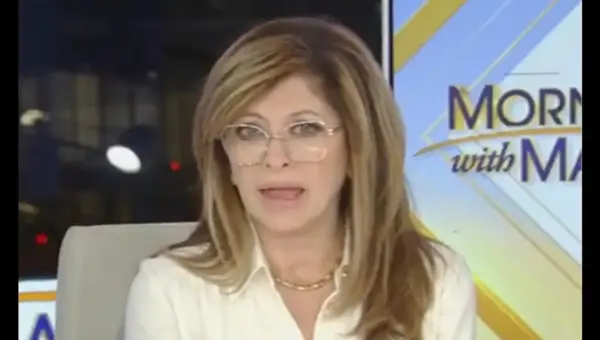
Trump’s War Costs Ignite Fury Across Political Divide
As the US expends billions on a new Middle East conflict, questions about cost, rationale, and broken promises ignite fury across the political divide. Even Fox News and conservative figures are voicing concerns, highlighting the growing public unease with escalating warfare.
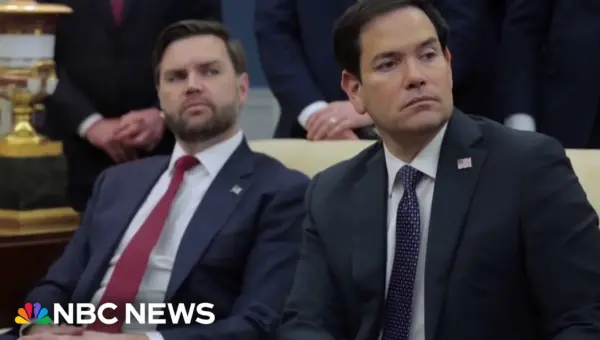
Iran War Boosts Rubio’s Profile Amid 2028 Presidential Race
As the US engages in military action against Iran, Secretary of State Marco Rubio's profile has risen, fueling 2028 presidential speculation. Former President Trump's fundraising poll highlights his focus on succession, while JD Vance remains a strong contender. The duration of the Iran conflict and its impact on public opinion will be key factors.
China’s Iran War Stance: Strategic Restraint Amid Global Rivalry
China's subdued response to the Iran war, despite significant economic ties, highlights a strategic approach prioritizing self-interest over alliance obligations. This calculated restraint, analysts suggest, is part of Beijing's long-term strategy to gain global influence by allowing geopolitical rivals to expend resources.