Trump’s War in Iran: Missteps, Casualties, and Bizarre Distractions
Twelve days into the conflict with Iran, the war initiated by Donald Trump and Benjamin Netanyahu is marked by significant civilian casualties, a lack of clear strategy, and controversial responses to military missteps. Reports indicate a U.S. missile strike on an Iranian school, initially blamed on Iran by Trump, has been attributed to a targeting error by the Department of Defense. Meanwhile, the administration faces criticism for its handling of Iranian retaliation and the war's low public approval ratings.

Trump’s War in Iran Marked by Miscalculations and Casualties
NEW YORK – Twelve days into the conflict initiated by Donald Trump and Benjamin Netanyahu against Iran, the war is unfolding with a disarray that many observers feared. The initial rhetoric, echoing past justifications for military intervention, promised liberation for the Iranian people, but the reality on the ground has been starkly different, marked by significant civilian casualties and a lack of clear strategy.
Controversial Opening Salvo: School Bombing and Blame Game
The conflict began with a pre-recorded statement from Donald Trump, broadcast from his golf resort, declaring, “The hour of your freedom is at hand. America is backing you with overwhelming strength and devastating force.” However, this message was quickly overshadowed by a Tomahawk cruise missile strike that hit a girls’ elementary school, resulting in the deaths of 175 children and staff. In the aftermath, instead of accepting responsibility, Trump repeatedly blamed Iran for the attack, suggesting the nation bombed its own school.
“Mr. President, did the United States bomb a pros elementary school in southern Iran on the first day of the war kill 100?” a reporter asked. Trump responded, “No, in my opinion and based on what I’ve seen that was done by Iran.” When pressed on why he was the only one in his administration making this claim, Trump stated he was “told it is under investigation” and “willing to live with that report.”
However, evidence suggests otherwise. Tomahawk missiles are possessed by only three nations: the U.S., U.K., and Australia. Iran lacks the technology and infrastructure to deploy such weapons. Furthermore, bomb fragments recovered from the school site bore the inscription “Made in USA.” Despite this, a preliminary investigation by the Department of Defense, as reported by The New York Times and matched by MSNBC, concluded that the U.S. was responsible for the strike, attributing it to a targeting system error.
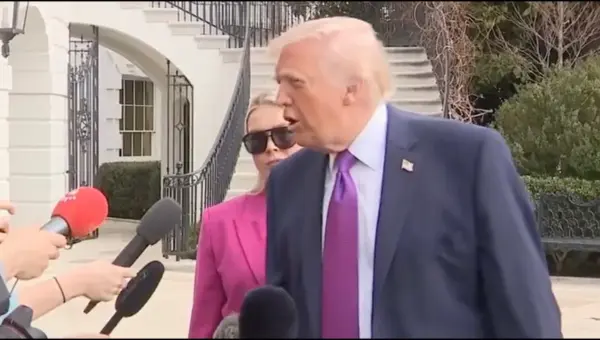
When confronted with these findings, Trump appeared to distance himself from the report. “A new report says that the military investigation has found that the United States struck the school in Iran. As Commander-in-Chief, you take responsibility for that,” a journalist pressed. Trump responded, “I don’t know about it.” This apparent lack of awareness or acknowledgment has drawn sharp criticism, especially given his typically outspoken nature on various issues.
Strategic Drift and Economic Warfare
Beyond the immediate fallout of the school bombing, internal administration discussions reveal growing pessimism about the war’s strategy. The New York Times reports that some officials are concerned about the absence of a clear exit plan, a sentiment they are hesitant to express directly to President Trump, who has consistently declared the military operation a success. It remains unclear whether Trump fully grasps the war’s unpopularity or has prepared for potential Iranian retaliation.
The administration was reportedly caught off guard by Iran’s decision to retaliate by threatening to close crucial trade routes through the Strait of Hormuz. Despite warnings, some advisors had dismissed the possibility, citing a lack of disruption during previous escalations. This oversight has forced the U.S. to release significant amounts of oil from its strategic reserves, with 172 million barrels set to be made available.
Meanwhile, Iran has reportedly increased its oil exports to China and has begun firing on oil tankers in the Strait of Hormuz, while also engaging in sea mining. This strategy, described as an obvious and anticipated move, aims to exert maximum leverage by disrupting global oil supply. In contrast, the U.S. appears to lack a coherent counter-strategy.
Conflicting Narratives and Public Discontent
The declared mission of the war remains ambiguous, with the U.S. military referring to it as “Operation Epic Fury” rather than a formal war. This semantic ambiguity adds to the anxiety, particularly for Gulf nations hosting U.S. service members and now facing Iranian retaliatory actions. Trump himself has offered conflicting descriptions of the conflict, calling it a “little excursion” that is “basically ended” while also acknowledging it as a war.
“It’s both. It’s an excursion that will keep us out of a war and the war is going to be, I mean for them it’s a war, for us it turned out to be easier than we thought,” Trump explained, highlighting the confusing messaging surrounding the conflict.
Amidst these developments, Trump embarked on a tour across the heartland, including an event in Cincinnati, Ohio, aimed at reassuring voters. However, the average price of gas in Ohio has risen to $3.44 per gallon, a significant increase from the previous month, raising concerns about the economic impact of the conflict on American households.
Human Cost and Commander-in-Chief’s Conduct
The human cost of the war is mounting. Eight Americans have died, and dozens more have been seriously injured in a drone attack on a tactical operations center in Kuwait, an incident for which the Trump administration was reportedly unprepared. The conflict has resulted in an estimated 1,300 Iranian deaths, over 600 deaths in Lebanon due to Israeli strikes, and 13 deaths in Israel.
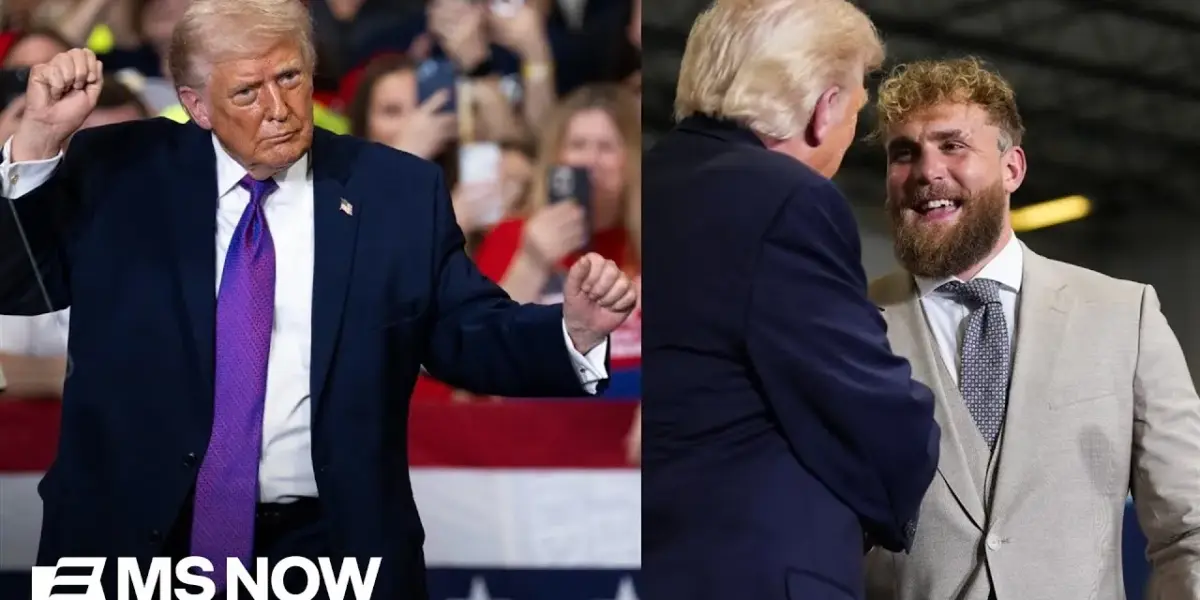
Amidst this grim reality, President Trump’s activities have drawn particular scrutiny. While the region is in turmoil, he was seen interacting with internet personality Jake Paul in Kentucky and dancing to the Village People’s “YMCA.” This behavior has been widely criticized as inappropriate for a wartime commander-in-chief.
Public support for the war appears to be waning significantly. A comparison of war popularity polls, as reported by The New York Times, shows Trump’s current conflict polling at 41%, considerably lower than the 76% approval for the Iraq War shortly after its commencement. This low approval rating precedes any potential deployment of U.S. ground troops, a possibility that has not been ruled out and is reportedly under strong consideration.
Looking Ahead
As the conflict enters its second week, the focus will be on whether the Trump administration can articulate a clear strategy and address the growing domestic and international concerns. The escalating human cost, economic repercussions, and the apparent disconnect between presidential rhetoric and on-the-ground realities suggest a challenging period ahead, with the potential for further escalation and increased scrutiny of the commander-in-chief’s leadership.
Source: Trump dances ‘YMCA,’ pals around with Jake Paul on Day 12 of war (YouTube)

Related Articles

Trump Campaign Shifts Immigration Stance, Eyes Criminals Over Mass Deportations
The Trump administration is reportedly advising House Republicans to shift their immigration focus from "mass deportations" to prioritizing the removal of violent criminals. This strategic pivot aims to broaden appeal ahead of the midterm elections, acknowledging past enforcement methods were viewed as overzealous. The move has sparked debate within the GOP, with some accusing the White House of softening its stance.
Trump’s ‘I Don’t Know’ Plea Masks Escalating Mideast Crisis
Donald Trump's "I don't know" response to allegations of a U.S. strike on an Iranian school highlights a concerning lack of accountability and transparency in the escalating Middle East conflict. The analysis questions leadership competence amidst contradictory terminology and rising economic impacts.

Trump’s Rally Unravels: War Justifications, Epstein Files, and Declining Rhetoric
A recent Trump rally in Kentucky exposed a volatile mix of contradictory war justifications, personal attacks, and a focus on political vendettas. The event highlighted concerns over declining rhetorical abilities and the spread of misinformation.