Trump’s War Ignites Recession Fears: Oil Shock Threatens Economy
Economists are sounding the alarm, suggesting Donald Trump's actions in Iran could be the trigger for a U.S. recession. Rising oil prices, a weakened job market, and persistent inflation point to a potential economic downturn.


Trump’s War Ignites Recession Fears: Oil Shock Threatens Economy
The delicate economic balance of the United States may be teetering on the brink, with a growing chorus of economists warning that Donald Trump’s recent military actions in Iran could serve as the definitive catalyst for a recession. While some argue that the nation is already unofficially mired in an economic downturn, the potential fallout from escalating geopolitical tensions, particularly concerning oil prices, threatens to make any lingering doubts about a recession obsolete.
The Illusion of Growth?
The current narrative, according to critics, is that the Trump administration has been presenting a rosier economic picture than reality warrants. For months, the assertion has been that the U.S. is not officially in a recession because of GDP figures reported by the administration itself. These figures reportedly show GDP growing at a robust three to three-and-a-half percent per quarter. However, this official stance is juxtaposed against a backdrop of rising inflation, declining consumer spending, and an increase in job losses. The argument presented is that the very indicators that typically contribute to GDP growth are in decline, making the reported GDP figures seem incongruous, if not entirely artificial.
The reliance on these official numbers to declare the absence of a recession means that the public is, in essence, being asked to take the administration’s word for it. Yet, the underlying economic signals suggest a different story, one that could be dramatically reshaped by external shocks.
The Oil Price Shockwave
Central to the immediate economic concerns is the price of oil. The transcript highlights a dramatic surge of approximately 30% in oil prices within the first week following Trump’s military actions in Iran. This spike is not merely an abstract market fluctuation; it has tangible and far-reaching consequences for the broader economy. The reasoning is straightforward: oil is not just a fuel for vehicles; it is a fundamental component in the production and transportation of virtually every good and service.
Whether an item is directly made from petroleum-based products or simply transported using vehicles that rely on them, the cost of oil permeates the entire supply chain. As oil prices climb, so too do the costs associated with shipping, manufacturing, and ultimately, the price of nearly everything consumers purchase. This broad-based increase in costs raises the specter of widespread inflation, potentially even hyperinflation, at a time when the labor market is already showing signs of significant weakness.
A Weakening Labor Market
The timing of this potential oil shock could not be worse. The U.S. economy has recently experienced one of the most concerning jobs reports since the early days of the COVID-19 pandemic, with a reported loss of 92,000 jobs in February. The transcript emphasizes that this figure is likely to be revised upward in the coming months, indicating an even deeper decline in employment. Job losses translate directly into reduced household income, exacerbating the impact of rising prices.
Even without the added pressure of increased oil prices, the economy was already grappling with inflation, meaning that people were facing higher costs for essential goods and services. With fewer people employed and earning less, and the cost of everything continuing to rise, consumer spending is expected to contract. This contraction in spending, in turn, often leads to further layoffs, creating a self-perpetuating cycle of economic decline.
Historical Context and Precedents
While the immediate trigger may be recent geopolitical events, the underlying economic vulnerabilities have been developing. Periods of high oil prices have historically been linked to economic slowdowns and recessions. The 1970s oil crises, for instance, demonstrated the profound impact that supply disruptions and price shocks in the energy market can have on global economies, leading to stagflation – a painful combination of high inflation and stagnant economic growth.
The current situation, however, unfolds in a different global context, with complex interdependencies in supply chains and financial markets. The rapid rise in oil prices, coupled with existing inflationary pressures and a weakening job market, presents a unique challenge. The argument that this predicament is a direct consequence of specific policy decisions, particularly foreign policy choices, places a significant burden of responsibility on the current administration.
The Vicious Cycle
The core of the economic concern is the potential for a downward spiral. When oil prices surge, the cost of producing and transporting goods increases. This leads businesses to pass those costs on to consumers in the form of higher prices. Simultaneously, rising prices erode the purchasing power of consumers, forcing them to cut back on non-essential spending. As demand falls, businesses may respond by reducing production and laying off workers. These layoffs further reduce consumer income and spending, intensifying the economic downturn. The transcript explicitly frames this as a “vicious cycle” that has been initiated by what is described as “abject stupidity” in policy decisions.
Implications and Future Outlook
The implications of such a recession would be severe. Beyond the immediate financial hardship for individuals and families, a recession can lead to long-term economic stagnation, increased national debt, and social unrest. The ability of the current administration to navigate such a crisis, especially if it is perceived to have been self-inflicted, will be a critical test of its leadership and economic stewardship.
The future outlook hinges precariously on several factors. The duration and intensity of the conflict in Iran, the global response to oil supply disruptions, and the effectiveness of any potential government interventions will all play a crucial role. If oil prices remain elevated and the inflationary pressures continue unabated, a recession appears increasingly likely, and the administration’s ability to counter negative economic narratives with concrete positive outcomes will be severely tested. The reliance on official GDP figures to mask underlying economic weakness may prove to be a short-sighted strategy if external shocks, like a major oil price increase, expose the fragility of the situation.
Why This Matters
This analysis is critical because it speaks to the direct impact of geopolitical decisions on the everyday lives and financial well-being of citizens. The potential for a recession, triggered or exacerbated by military action, highlights the interconnectedness of global politics and domestic economics. It raises fundamental questions about the cost-benefit analysis of foreign policy interventions and the responsibility of leadership to consider and mitigate the economic consequences for the nation. The argument that the current economic data is being manipulated to avoid admitting a recession underscores the importance of transparency and independent economic analysis. If the current trends continue, the economic pain could be widespread, affecting employment, savings, and the overall standard of living for millions.
Source: Trump's War Could Immediately Push US Into A Recession (YouTube)

Related Articles
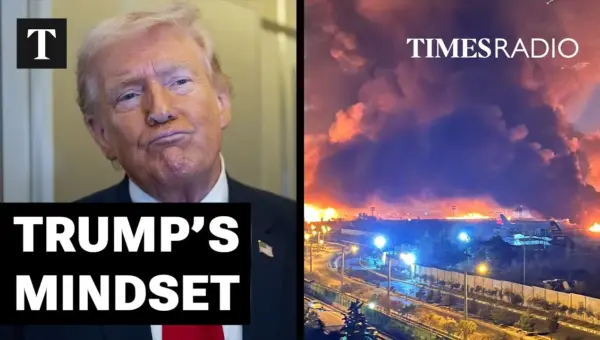
Trump Dismisses Polls, Focuses on Iran War End
Former President Donald Trump has indicated a personal conviction guiding his approach to the Iran conflict, prioritizing his belief in the 'right thing' over poll numbers or party building. He suggested the war is nearing an end, despite concerns over global energy costs and an ongoing investigation into a missile strike.
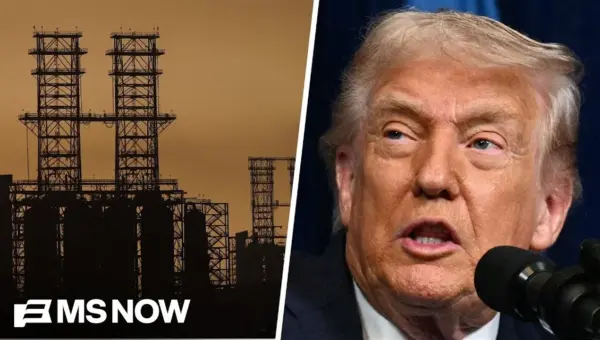
Trump Warns Iran of ’20 Times Harder’ Attack Over Oil Blockade
President Trump has issued a severe warning to Iran, threatening retaliation "twenty times harder" if oil exports are blocked from the Middle East. This escalation follows Iran's reported threat of a total blockade of the Strait of Hormuz, a critical global energy chokepoint. The potential disruption could significantly impact global oil prices and economies, with business leaders expressing concerns over rising fuel costs and inflation.


Oil Surges Towards $150 Amid Escalating Iran Conflict
Escalating tensions involving Iran and the effective closure of the Strait of Hormuz are fueling fears of oil supply disruptions and potential price surges towards $150 per barrel. While some analysts predict dire consequences, options market data suggests a less extreme outlook. Geopolitical risks continue to dominate market sentiment, though some economic indicators point to underlying resilience.