Trump’s War Gamble Fuels Global Chaos, Skyrocketing Oil
Escalation between Iran and Israel over oil facilities sparks global fears of economic meltdown. As the Pentagon requests billions for conflict, the U.S. considers easing sanctions on Iranian oil. The situation highlights questionable priorities and a dangerous geopolitical gamble.


Escalation in the Middle East Sparks Global Concern
Recent events in the Middle East have led to a dangerous escalation between Iran and Israel, with both nations exchanging strikes on key oil facilities. This has sent shockwaves through the global community, raising fears of widespread economic disruption and a potential “global meltdown.” The conflict, which the video suggests was initiated without a clear objective, appears to be a case of “mission creep,” where a conflict expands beyond its original goals, demanding more resources and time.
Pentagon Seeks Massive Funding for Iran Conflict
Adding to the concern, the Pentagon is requesting over $200 billion for operations related to the Iran conflict. This comes at a time when the United States is already burdened by an $8 trillion national debt, largely from past Middle East conflicts. The video points out a stark contrast: while investing in healthcare, education, and infrastructure is often deemed “fiscally irresponsible,” vast sums are readily allocated to military actions.
Direct Strikes and Environmental Risks
Satellite imagery confirms Israel struck a location just 350 meters from Iran’s Bushehr nuclear reactor. Experts warn that such an attack, if aimed at the reactor itself, could spread dangerous radiation across a wide region, impacting countries like the UAE, Qatar, and Oman, as well as South Asia. This action is seen by some as a deliberate threat, designed to inflict maximum damage and escalate tensions further.
Conflicting US Policies: Easing Sanctions Amidst Conflict
In a seemingly contradictory move, the U.S. is considering easing sanctions on Iranian oil to boost global supply. This policy shift, if enacted, could effectively provide financial support to Iran’s economy, even as the U.S. is involved in military actions. The video draws a parallel with past actions concerning Russia, where easing sanctions reportedly allowed Russia to fund its war efforts in Ukraine. This approach is criticized for making the world more dangerous and unpredictable.
“Trump views the world as a game of risk. And he basically rather than playing the game just shook up the board and now we’re all facing the consequences in the term in the form of higher prices. Higher prices of all goods are going to hit us in the form of debts and destruction across the world all for nothing. This is an unforced error.”
Pentagon Spokesperson’s Remarks Draw Scrutiny
During a Pentagon press briefing, spokesperson Pete Hegseth delivered a speech that was described as “military slam poetry.” He defended the administration’s actions, framing the conflict as a necessary fight for future generations and invoking personal religious beliefs. He stated, “They died for you, son, so that your generation doesn’t have to deal with a nuclear Iran.” This rhetoric has been criticized for being overly performative and for potentially alienating individuals of diverse religious backgrounds within the military.
Historical Context and National Debt
The video highlights the significant national debt accumulated from previous “forever wars” in the Middle East, costing trillions. It questions the fiscal priorities of prioritizing military spending over domestic investments like healthcare and education. The request for an additional $200 billion for the Iran war is presented as further evidence of these questionable priorities.
Trump’s Reaction and Shifting Alliances
Former President Donald Trump posted about the events, appearing to distance himself from Israel’s actions while threatening a massive response if Iran retaliates against Qatar. His statement, described as “panicked,” suggested the U.S. had no prior knowledge of the strike on the South Pars gas field. This reaction has been interpreted as an attempt to manage public perception and potentially shift blame.
Economic Impact: Rising Oil Prices
The conflict has already led to a significant increase in oil prices, with predictions of gasoline reaching $4 per gallon and potentially higher. This rise is directly attributed to the instability caused by the escalating conflict in the Middle East. The video argues that these economic consequences are an “unforced error,” stemming from decisions made rather than external pressures.
Why This Matters
The current situation underscores the complex and often unpredictable nature of international conflicts. The decision to escalate military actions, particularly in strategically vital regions like the Middle East, carries profound economic and geopolitical consequences. The reliance on military solutions, coupled with significant budget allocations, raises critical questions about national priorities and the long-term sustainability of such policies. The potential for environmental disaster, as seen with the proximity of strikes to nuclear facilities, adds another layer of urgent concern. Furthermore, the rhetoric employed by officials and political leaders can significantly influence public opinion and international relations, making clarity and responsible communication paramount.
Implications, Trends, and Future Outlook
This situation highlights a growing trend of escalating proxy conflicts and the increasing financial burden of prolonged military engagements. The economic impact, particularly the rise in energy prices, affects global markets and everyday consumers. The future outlook remains uncertain, dependent on diplomatic efforts, de-escalation strategies, and the political will to find peaceful resolutions. The video suggests that the consequences of these actions may fall heavily on specific political parties, indicating a potential shift in public sentiment based on the outcomes of these events. The potential for further radicalization within regimes, as mentioned in the context of leadership changes, also presents a long-term challenge.
Historical Context and Background
The current tensions are rooted in decades of complex geopolitical dynamics in the Middle East. Past military interventions and the resulting “forever wars” have left a legacy of instability and debt. The specific conflict between Iran and Israel has seen periods of intense hostility and fragile truces. The video refers to previous agreements, like the Iran nuclear deal, that were later abandoned, suggesting a pattern of policy shifts that can exacerbate tensions. The economic strain from these historical conflicts serves as a cautionary tale for current decision-making.
Source: BOMBING MISTAKE leaves Trump Visibly SHAKING (YouTube)

Related Articles


Israelis Forge Resilience Amidst Constant Bomb Shelter Drills
Life in Israel is a blend of resilience and constant vigilance, with many families adapting to frequent bomb shelter drills and even sleeping in makeshift shelters. Despite ongoing missile attacks, Israelis strive to maintain normalcy, though businesses face disruption and emotional fatigue is a growing concern.
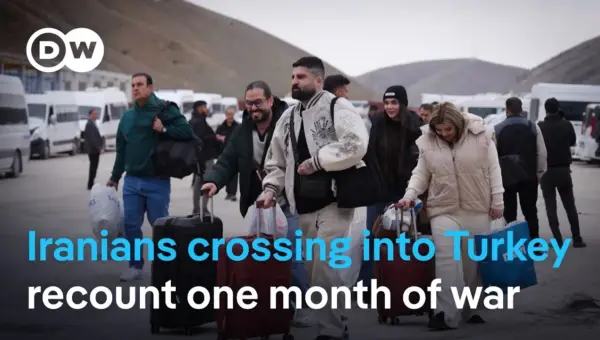
Iran War Exodus: Refugees Flee to Turkey Amidst Bombings
A train from Tehran brings refugees to Turkey, fleeing daily bombings and economic collapse. Many express deep fear for loved ones left behind, while some hold onto national pride and hope for victory. The conflict's impact is also felt economically in Turkey, with rising gas prices.


Israel Escalates Iran Strikes, Warns of Wider War
Israel has launched significant strikes inside Iran following continued missile fire, warning of further escalation. The conflict risks wider regional instability and economic disruption, especially concerning the Strait of Hormuz.