Trump’s War Gamble Backfires, Allies Shun Him
Donald Trump's foreign policy strategy faces a critical test as a new war exposes his administration's isolation from allies and flawed decision-making. Years of alienating partners now leave the U.S. needing help it may not receive, while domestic issues like rising gas prices create significant political fallout.

Trump’s War Gamble Backfires, Allies Shun Him
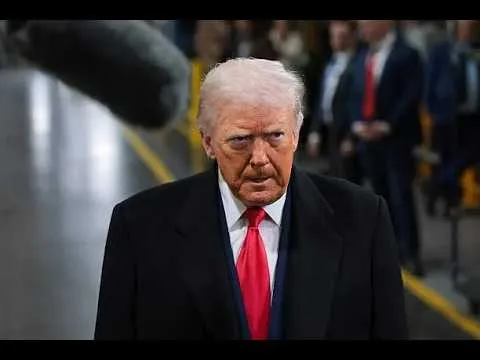
Donald Trump’s approach to foreign policy has often been described as “America First.” However, a recent conflict appears to be testing this strategy, revealing a stark contrast between his past rhetoric and present needs. After years of criticizing allies, Trump now finds himself in a difficult situation, needing help on the global stage. This shift highlights a tension between his desire for international support and his own pride.
During a press conference, Trump expressed his long-held belief that allies would not be there if the U.S. truly needed them. He stated, “If we ever needed help, they won’t be there for us.” He also emphasized the U.S.’s strength, saying, “We don’t need anybody. We’re the strongest nation in the world.” This sentiment, however, clashes with the reality of a war entered into without a clear plan, objective, or allies.
A Costly Miscalculation
The current conflict, which has no clear objective, has led to predictable problems. One major issue is Iran’s potential actions, such as mining or closing the Strait of Hormuz. This strait is a vital waterway for oil transportation, and any disruption can significantly impact global oil prices. It seems Trump is learning this lesson in real-time, a lesson he might have avoided by consulting with experienced advisors.
For years, Trump has made efforts to alienate allies. He has threatened to invade or annex countries like Greenland and Canada, and has made numerous threats towards Mexico. He has also openly criticized leaders across Western Europe. Now, having made the U.S. a pariah on the world stage, he is asking for help from these same nations. This situation underscores the value of having allies, rather than attempting to go it alone.
Adding to the complexity, Trump has also cozied up to Russia, a country that is currently aiding Iran against the United States. This has led to questions about his decision-making process and whether national security is being prioritized over personal relationships or perceived slights.
Ego vs. National Security
Trump’s refusal to condemn Russia’s actions in the conflict further fuels these concerns. When asked if he communicated to the Russians not to send targeting information to the Iranians, Trump responded vaguely, saying, “Strongly said that.” When pressed about evidence, he admitted, “We don’t know.” This ambiguity suggests that Trump’s ego and his desire to maintain a certain image might be taking precedence over the best interests of the United States.
The consequences of this approach are becoming increasingly clear. Trump finds himself isolated both domestically and internationally. Allies are not rushing to his aid, remembering his past threats and insults. At home, a high-ranking official, Joe Kent, resigned from his position as director of the National Counterterrorism Center, citing his inability to support the ongoing war. Vice President JD Vance has also begun signaling skepticism about the war, even though he was reportedly involved in its planning.
Public Opinion and Political Fallout
Polling indicates that this war is the least popular at its outset in U.S. history. Gas prices are surging, directly impacting Americans’ wallets. One citizen, interviewed after the press conference, summed up the frustration: “You are a worthless pile of…” and admitted to voting for Trump three times, calling it his mistake.
This situation is not solely about Donald Trump. The entire Republican party shares responsibility. They had the power to exercise independent judgment but chose not to. This is being seen as a reflection of “full Republican governance in action.” The party’s pursuit of power led them to empower someone who has endangered the nation, weakened its standing, and increased costs for everyone.
The Broader Republican Landscape
The political fallout extends to figures like JD Vance. Vance, who previously positioned himself as anti-war, is now reportedly trying to distance himself from the current conflict. However, his past actions and statements suggest a complex political maneuvering, possibly for future presidential ambitions. Critics argue that his attempts to appear independent are transparent and politically clumsy, especially given his close ties to Trump.
There’s also a growing sense that the protective bubble around Trump loyalists might be shrinking. As scandals and unpopular policies emerge, some Republicans may seek to demonstrate independence, often by targeting those seen as less loyal or more controversial, like Kristi Noem or Pam Bondi. However, the effectiveness of these moves remains to be seen, as replacements are often just as flawed.
Why This Matters
This situation highlights a critical failure in leadership and strategic thinking. Trump’s administration prioritized personal relationships and transactional deals over the long-term benefits of stable alliances. The war’s inception, lack of clear goals, and the resulting economic hardship for Americans demonstrate a profound disconnect from the realities faced by the public. The Republican party’s complicity in this approach raises serious questions about their commitment to national security and responsible governance.
Future Outlook
The war’s continuation, regardless of Trump’s focus, will likely keep gas prices high and disrupt global trade. The message that this is a necessary sacrifice to prevent a nuclear Iran is unlikely to resonate with a public that was not adequately prepared for or informed about the conflict. The lack of a clear strategy and the alienation of allies suggest a prolonged period of instability and economic strain. The political implications for Trump and the Republican party are significant, as voters increasingly connect rising prices and global insecurity to their leadership.
Source: Trump descends into FULL PANIC as he LOSES CONTROL (YouTube)

Related Articles
Polls Spell Doom: Republicans Face Voter Backlash
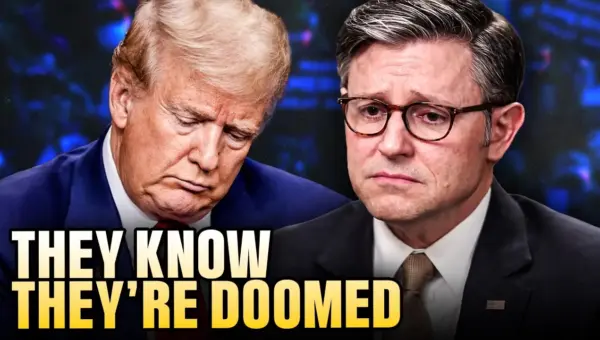
New polling data reveals a sharp decline in public confidence regarding the economic impact of Republican policies, particularly under Donald Trump. A significant majority now feel financially worse off, a trend that is especially pronounced among independent voters. This economic discontent poses a major challenge for the Republican party heading into future elections.

Americans Rally for Democracy Amidst War and Economic Woes
Thousands of Americans are participating in "No Kings" rallies nationwide, demanding accountability from leaders and drawing parallels to historical movements that spurred significant change. The protests occur amidst a controversial war with Iran, economic uncertainty, and a partial government shutdown. Organizers emphasize solidarity, joy, and the power of collective action in defending democracy.
Trump Delays Iran Strike Deadline Amidst Shifting Diplomacy
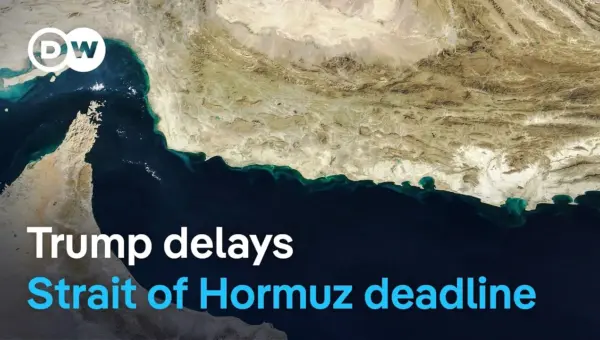
President Donald Trump has extended his deadline for potential strikes on Iranian energy plants to April 6th, amid reports of U.S.-Iran diplomatic talks mediated by Pakistan. This move comes as Israel continues its strikes on Iran and the U.S. deploys additional military assets to the region. Analysts point to mixed signals, economic pressures, and strategic miscalculations as key factors shaping the evolving situation.