Trump’s War Gamble Backfires: Allies Flee, Iran Gains Foothold
President Trump's calls for international support in securing the Strait of Hormuz have been met with silence and rejection from allies, revealing a strategic miscalculation and a significant erosion of U.S. diplomatic standing. This analysis delves into the consequences of unilateral action, the shifting regional power dynamics, and the administration's attempts to control the narrative.

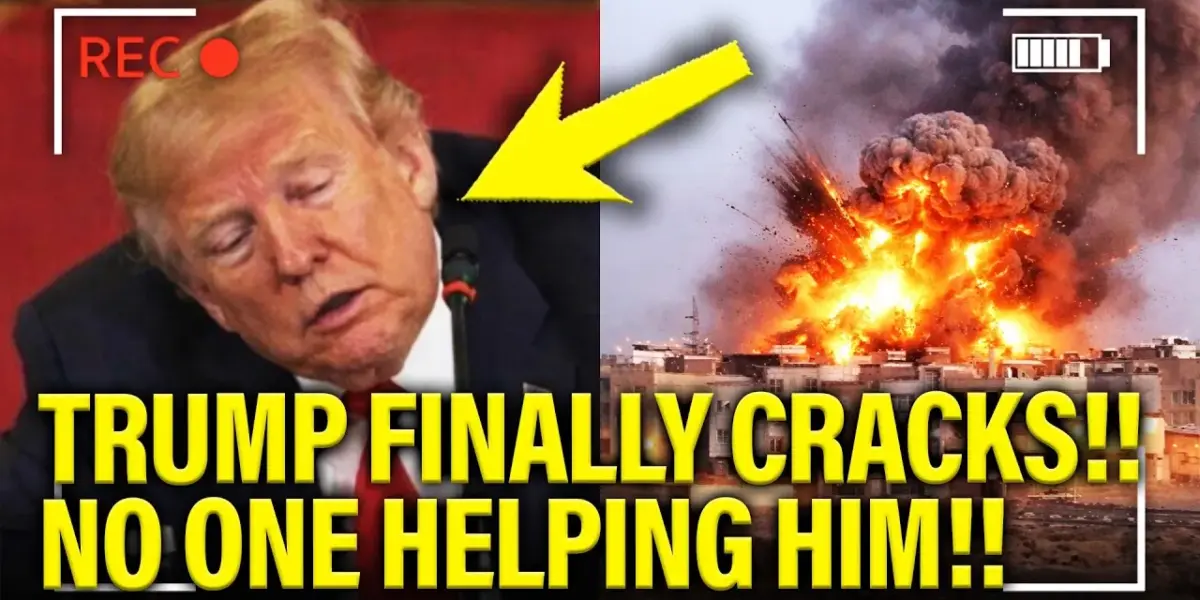
Trump’s War Gamble Backfires: Allies Flee, Iran Gains Foothold
In a dramatic turn of events that has left international relations strained and regional security precarious, the United States finds itself in an increasingly isolated position regarding the conflict in the Middle East. What began as a unilateral decision to engage militarily with Iran has devolved into a desperate plea for assistance, a plea that has largely gone unanswered by the very nations the U.S. has historically relied upon. This situation, characterized by contradictory public statements and a palpable sense of desperation, highlights a profound strategic miscalculation and a significant erosion of American diplomatic capital.
A Plea for Help Amidst Shifting Alliances
President Donald Trump’s recent public communications reveal a stark contrast from earlier assertions. Initially, the President claimed widespread international support for a joint operation to secure the Strait of Hormuz, stating, “many countries… will be sending warships in conjunction with the United States of America to keep the straight open and safe.” However, this narrative quickly shifted. Later statements revealed a more urgent and less assured tone, with Trump posting, “The United States of America has beaten and completely decimated Iran both militarily and economically and in every other way. But the countries of the world that receive oil through the moves straight must take care of the passage and we will help a lot.” This pivot from a triumphant declaration of victory and pre-arranged support to a call for a “team effort” underscores the apparent lack of concrete commitments from allies.
The President’s framing of the situation as a “team effort” that “should have always been” such, suggests an implicit acknowledgment of the initial unilateral approach. This is further contextualized by the commentary suggesting the decision to engage Iran was a rushed affair, potentially influenced by figures like Netanyahu, and that the ensuing conflict has embroiled the entire Middle East. The subsequent year and a half, according to this perspective, has been marked by strained relationships with traditional allies, including trade disputes, threats against NATO nations, and leaving Asian allies vulnerable. Now, facing the consequences of this strategy, the U.S. appears to be seeking help from a diminished pool of willing partners.
Allies Respond with Skepticism and Rejection
The international response to Trump’s calls for assistance has been notably cool, with several key allies publicly distancing themselves from any direct involvement in the Strait of Hormuz operations. Reports indicated that France, for instance, was considering sending warships. However, the French response account swiftly clarified, “Nope, not happening. No aircraft carrier and its group staying in the middle in eastern Mediterranean. Posture has not changed. Defensive it is.” This indicates a clear refusal to engage in offensive operations within the Strait, maintaining a defensive posture only and keeping their assets in the Eastern Mediterranean. This response, coupled with the broader sentiment that the U.S. has alienated its allies through tariffs and aggressive rhetoric, suggests a deep-seated distrust in American leadership and its strategic direction.
The commentary also points to a historical pattern of Trump’s administration alienating allies, citing instances like the questioning of the United Kingdom’s commitment and the potential for Arab nations, once reliant on U.S. protection, to seek bilateral security arrangements with Iran. This perceived abandonment and lack of reliable U.S. backing is reportedly leading these nations to explore alternative security solutions, potentially negotiating directly with Iran to ensure their own safety.
Erosion of Trust and Media Control
Adding another layer to the unfolding crisis is the administration’s aggressive stance towards media coverage of the conflict. Trump has repeatedly accused the media of “intentionally misleading” reporting and being “sick and demented people.” This sentiment was amplified by former FCC Chair Brendan Carr, who suggested that broadcasters airing “hoaxes and news distortions” could face consequences, including the potential loss of their licenses, especially as license renewals approach. Carr invoked the legal obligation for broadcasters to operate in the public interest, framing it as an opportunity to “course correct” and align with a “Trump MAGA landslide victory” narrative. This has been widely interpreted as a thinly veiled threat to compel media outlets to adopt a pro-Trump propaganda line, particularly concerning the war effort.
The commentary argues that this approach is not only authoritarian but also a sign of weakness, drawing further attention to the perceived failures of the war. The administration’s efforts to reshape the media landscape, including the defunding of public broadcasting and the alleged influence of “Trump MAGA oligarchs” in media companies, are seen as an attempt to control the narrative. However, the rise of independent media is presented as a counter-force, drawing audiences away from traditional outlets and providing alternative perspectives.
Iran’s Strategic Advantage and Regional Instability
From this perspective, Iran has skillfully leveraged the situation to its advantage. Despite claims of Iran’s military being “completely obliterated,” the reality on the ground suggests otherwise. The commentary notes the continuity within the Iranian regime, including a new Ayatollah and retaining key generals, indicating resilience and a continued capacity for action. The failure of U.S. policy is seen as having inadvertently strengthened Iran’s position in the region, while diminishing America’s standing.
Recent events, such as Iranian-backed militias striking the U.S. embassy in Baghdad and drones targeting radar systems at Kuwait International Airport, are presented as evidence of Iran’s continued operational capabilities and its willingness to challenge U.S. interests. Furthermore, the escalating conflict in Lebanon, with Israeli forces reportedly targeting ambulances and medical facilities under the guise of Hezbollah using them for military purposes, highlights the broader regional instability fueled by the ongoing conflict. Spain’s strong condemnation of these attacks underscores the international concern over humanitarian violations.
Iran’s Demands and the Future Outlook
Iran’s stated conditions for ending the war are stark: full compensation for damages from the United States and a “100% guarantee for the future,” which they assert is impossible without a U.S. withdrawal from the Persian Gulf. This demand for a complete U.S. exit from the region signifies Iran’s confidence and its strategic objective to reshape the regional power dynamics. The commentary suggests that this will lead to severe economic consequences beyond those already experienced.
The erosion of U.S. credibility has led to calls for regional security alternatives, such as a NATO-style military alliance among Gulf Cooperation Council nations, given the perceived inability of the U.S. to protect them. The economic impact on these nations, with their reputations as safe financial centers being undermined, is significant. The narrative concludes by painting a picture of a U.S. foreign policy in disarray, characterized by a leader who “screws everybody over,” leaving allies vulnerable and adversaries emboldened. The future outlook suggests continued regional instability, further economic repercussions, and a diminished role for the United States on the global stage, with Iran, Russia, and China emerging as beneficiaries of this perceived American weakness.
Why This Matters
This analysis is crucial because it unpacks the potential consequences of a foreign policy driven by unilateral decisions and diplomatic isolation. The apparent failure to secure international cooperation in a critical region like the Strait of Hormuz has far-reaching implications for global trade, energy security, and the broader balance of power. The erosion of trust with long-standing allies can have cascading effects, weakening collective security frameworks and creating vacuums that can be exploited by adversaries. Furthermore, the administration’s approach to media control raises serious concerns about democratic norms and the public’s right to accurate information, especially during times of conflict. The potential for escalating regional tensions and the economic fallout for both the Middle East and the global economy underscore the gravity of the situation. This situation highlights the intricate web of alliances and the delicate balance of power that underpins international stability, and how a perceived shift in these dynamics can have profound and lasting effects.
Historical Context and Background
The Strait of Hormuz has long been a critical chokepoint for global oil shipments, with approximately 20-30% of the world’s seaborne oil trade passing through it annually. Its strategic importance has made it a focal point of regional tensions for decades. Historically, the U.S. has played a significant role in ensuring freedom of navigation in the Persian Gulf, often in cooperation with regional partners. However, the current situation appears to represent a departure from this collaborative approach. The commentary references past U.S. foreign policy decisions and the establishment of security partnerships with Arab nations, suggesting that the current administration’s actions have disrupted these long-standing arrangements. The mention of “pay for play” and “quid pro quo” alludes to the transactional nature of some of these relationships under the current administration, which may have contributed to their fragility.
Implications, Trends, and Future Outlook
The implications of this situation are manifold. A continued lack of allied support could force the U.S. to bear a disproportionate burden in maintaining regional security, potentially leading to strategic overstretch. The trend towards regional powers seeking independent security arrangements, as suggested by the call for a GCC-led alliance, could signal a shift away from U.S. hegemony in the Middle East. The future outlook points towards increased regional volatility, as Iran, emboldened by perceived U.S. weakness and isolation, may continue to assert its influence. The economic consequences, including potential disruptions to oil supplies and increased energy prices, could have a global impact. The commentary also touches upon a broader trend of challenging established media narratives and the rise of independent and often partisan media platforms, which plays a significant role in shaping public perception and political discourse.
Source: Trump Finally CRACKS as ALLIES REFUSE TO HELP in WAR!!! (YouTube)

Related Articles

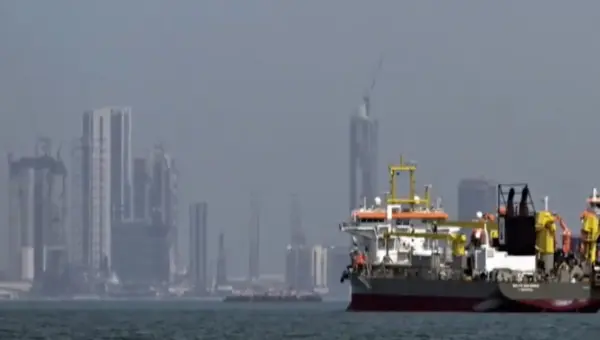
Iran Blocks China Ships, Exposing Beijing’s Weak Grip
Iran's recent decision to block Chinese ships at the Strait of Hormuz is exposing the limits of Beijing's influence in the Middle East. This action is causing delays and cancellations for Chinese manufacturers, turning a perceived geopolitical win into an economic strain.
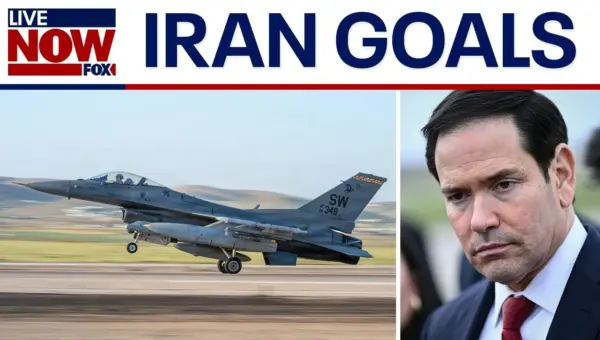
Rubio: US Can Achieve Iran War Goals Without Troops
Senator Marco Rubio outlined a strategy to counter Iran without deploying U.S. ground troops, focusing on weakening the regime and enhancing maritime security. He also criticized Cuba's economic system and expressed concerns about West Bank violence.
Trump’s “Walk Away” Tactic Signals Tougher Stance on China
Retired Air Force Brigadier General David Stillwell believes President Trump's strategy of being willing to walk away from negotiations puts pressure on China. This tactic, combined with US global actions and strengthened alliances, signals a more assertive American foreign policy.