Trump’s War Funding Ignites Conservative Backlash, Exposing Broken Promises
Congresswoman Lauren Boebert's stance against new war funding clashes with Donald Trump's perceived support for a $200 billion Pentagon request. This highlights a growing conservative concern over prioritizing foreign conflicts over domestic needs, raising questions about Trump's campaign promises of peace and economic relief.

Trump’s War Funding Ignites Conservative Backlash, Exposing Broken Promises
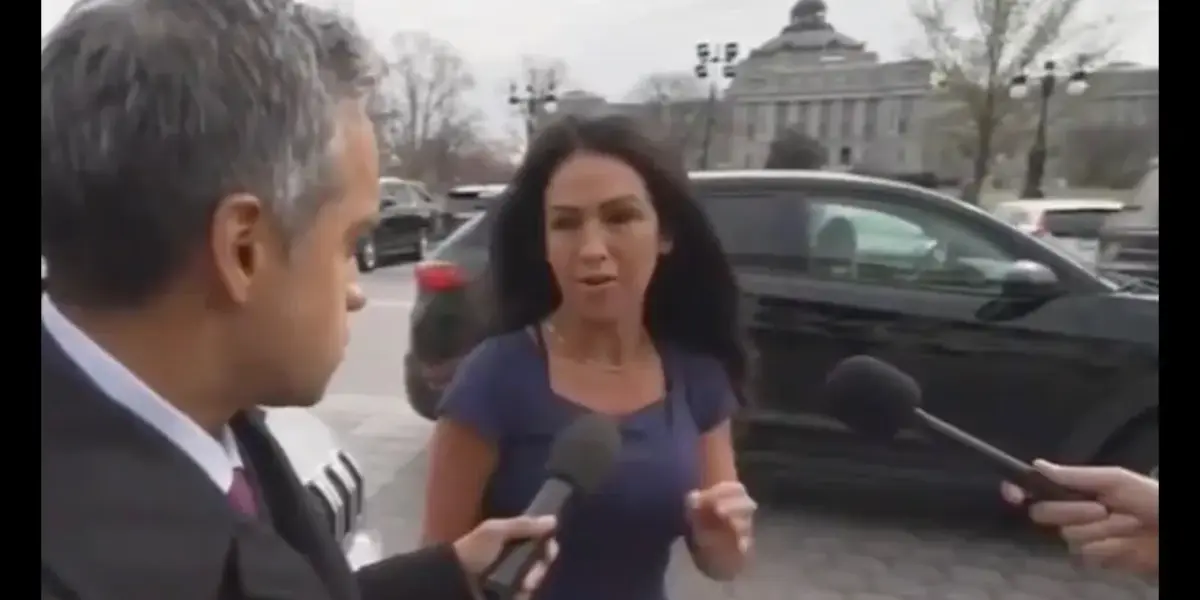
Congresswoman Lauren Boebert recently declared she would not vote for any new war funding, stating, “I am so tired of spending money elsewhere. I am tired of the industrial war complex getting all of our hard-earned tax dollars.” Her strong stance comes as the Pentagon seeks a massive $200 billion in extra funding for operations in the Middle East, adding to an already record $1 trillion defense budget. This move has put Boebert at odds with former President Donald Trump, who, when asked about the funding request, offered a response that seemed to support it rather than reject it.
Trump’s comments suggested a complex view of the situation, mentioning the volatility of the world and the advanced nature of modern weaponry. He also brought up past actions, criticizing President Biden’s handling of military equipment in Afghanistan and noting that aid to Ukraine had reduced U.S. ammunition stockpiles. His statement, however, did not outright dismiss the Pentagon’s request for $200 billion, leading to interpretations that he is open to such spending.
The Core Conflict: Domestic Needs vs. Foreign Wars
Boebert’s protest highlights a growing concern among some conservatives: the prioritization of foreign conflicts over domestic issues. “We need America First policies right now,” she insisted, pointing to rising costs of living in her home state of Colorado. This sentiment echoes a key theme from Trump’s own campaigns, where he frequently lamented the high cost of everyday items like groceries and promised to address issues like underfunded education and infrastructure.
The video transcript points out a contradiction: while Trump campaigned on addressing these domestic concerns, his party’s actions and his apparent support for increased war spending seem to move in the opposite direction. The transcript argues that Republicans have weakened programs like Medicaid and the Affordable Care Act (ACA) and have supported policies, like trade wars and increased oil costs, that have made life more expensive for Americans. Now, facing a $200 billion request for a conflict Trump once promised to avoid, the critique is that his administration is continuing policies he once railed against.
“I’m not going to start a war. I’m going to stop wars… No more wars, no more disruptions. We will have prosperity and we will have peace under Trump.” – Donald Trump (campaign promise)
A Pattern of Broken Promises?
The analysis suggests that the current situation is not an isolated incident but part of a larger pattern. The video argues that Trump’s presidency, both past and potentially future, is marked by a failure to deliver on key promises. The transcript lists several examples: an infrastructure law, a healthcare plan, a middle-class tax cut, and a manufacturing renaissance that never materialized during his first term. Instead, it claims, tax cuts for the wealthy and personal financial gains were prioritized.
Looking at the current term, the transcript claims Trump is again promising things like reduced costs, cheaper housing, and justice for Epstein’s victims. However, it asserts that the actual outcomes are tax cuts for the rich and personal enrichment, such as building a ballroom and securing defense industry roles for his family. The core accusation is that Trump says what people want to hear to gain votes but does not follow through on policies that would genuinely help ordinary Americans. His focus, the argument goes, is on himself, his legacy, and his financial interests, not on the well-being of his constituents.
The Long-Term Implications of War Funding
The $200 billion Pentagon request is framed not just as a financial outlay but as an indicator of potential long-term conflict. Senator J.D. Vance is quoted as saying, “At the height of the combat in the Iraq war cost about $140 billion per year. If the Pentagon is asking for 200 billion, they are asking for a long war.” This suggests that the requested amount is not for a short, decisive action but for an extended military engagement, potentially costing trillions and lasting years, similar to the Iraq War.
Experts consulted in the video express concern about the potential duration and escalation of the conflict. Even if the U.S. were to withdraw, the regional dynamics could lead to continued hostilities. The possibility of ground operations, including efforts to secure nuclear materials or target oil infrastructure, is raised. This could drive oil prices to extreme levels, further impacting the global economy and American consumers. The analysis concludes that the tail end of such a conflict could last months, with elevated gas prices extending through the summer, even if tensions ease.
Why This Matters
This situation highlights a critical tension within the Republican party and conservative movements. On one hand, there’s a strong call for fiscal responsibility, an end to foreign entanglements, and a focus on domestic needs – the “America First” message. On the other hand, there’s a willingness to support significant military spending, even for conflicts that seem to contradict promises of peace and non-intervention. The argument presented is that this disconnect leaves voters disillusioned and potentially facing higher costs for both foreign wars and everyday life.
The analysis suggests that Donald Trump’s approach, characterized by populist rhetoric on domestic issues and a more interventionist or at least open-ended stance on foreign policy, is a key factor. For voters who supported him based on promises of peace and economic relief, the current trajectory represents a betrayal. The transcript poses a direct question to these voters: when will they realize that the promises made on the campaign trail were merely a means to an end, and that the reality of his actions prioritizes personal gain and established policies over the needs of the people?
Historical Context and Future Outlook
The video draws parallels to past conflicts, like the Iraq War, which proved costly in both lives and treasure. The concern is that the current request for $200 billion could be the start of a similarly protracted and expensive engagement. The possibility of a renewed draft, even if not explicitly planned, is a fear that lingers, as mentioned by a reference to Congresswoman Marjorie Taylor Greene’s refusal to rule it out.
The future outlook, as presented, is uncertain but leans towards continued conflict and economic strain. The transcript implies that the political establishment, including figures like Trump, may be more interested in maintaining military-industrial complex ties and personal power than in delivering on promises of peace and prosperity. For those who feel unheard or betrayed, the path forward involves questioning the authenticity of political promises and demanding accountability for actions that impact their daily lives and the nation’s resources.
Source: WHOA: Lauren Boebert LOSES IT over Trump’s latest announcement (YouTube)

Related Articles

Protesters Challenge Presidential Power, Ignite Debate
Millions are protesting nationwide under the "No Kings" banner, challenging presidential authority and policies they deem unconstitutional. Organizers emphasize First Amendment rights while debating foreign policy, immigration, and the balance of power.

Polls Spell Doom: Republicans Face Voter Backlash
New polling data reveals a sharp decline in public confidence regarding the economic impact of Republican policies, particularly under Donald Trump. A significant majority now feel financially worse off, a trend that is especially pronounced among independent voters. This economic discontent poses a major challenge for the Republican party heading into future elections.

Trump Delays Iran Strike Deadline Amidst Shifting Diplomacy
President Donald Trump has extended his deadline for potential strikes on Iranian energy plants to April 6th, amid reports of U.S.-Iran diplomatic talks mediated by Pakistan. This move comes as Israel continues its strikes on Iran and the U.S. deploys additional military assets to the region. Analysts point to mixed signals, economic pressures, and strategic miscalculations as key factors shaping the evolving situation.