Trump’s War Funding Betrays American Needs
Massive war funding is being pushed despite Donald Trump's promises to avoid such conflicts. This comes as Americans face a severe affordability crisis, highlighting a stark choice between funding foreign wars and addressing urgent domestic needs like healthcare and education.

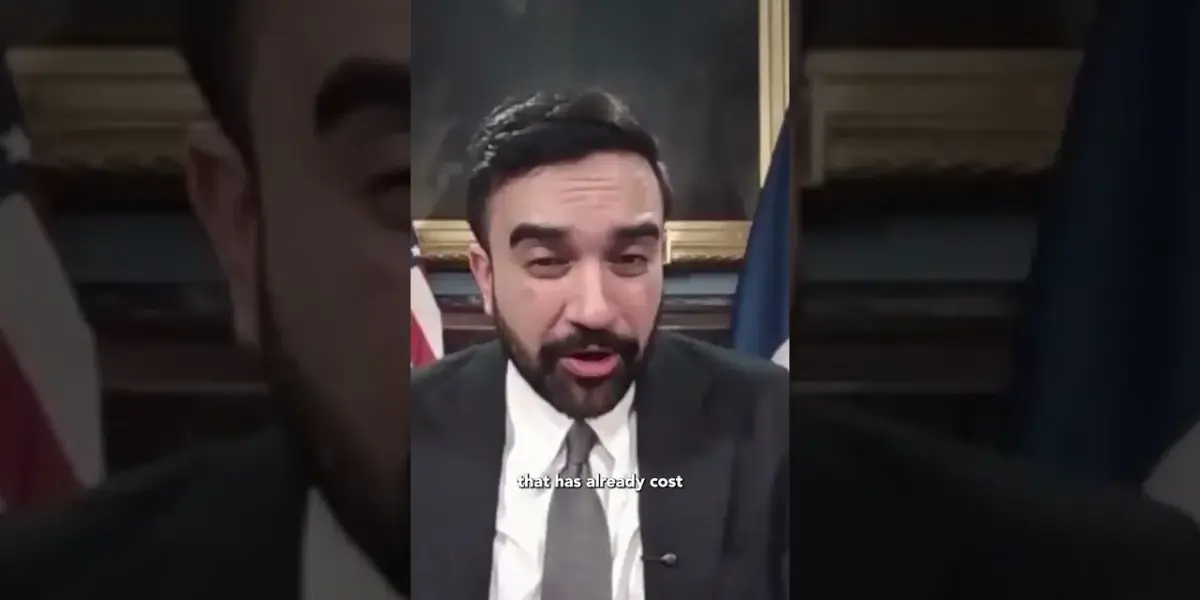
Trump’s War Funding Betrays American Needs
A huge sum of money, around $200 billion, is being pushed for a war. This is happening even though Donald Trump promised he would keep the U.S. out of such conflicts. This move raises serious questions about priorities when many Americans are struggling with everyday costs.
A Costly Conflict
The war has already cost the U.S. $23 billion. Now, there’s a push for another massive amount of funding. This is happening at a time when people are facing a historic affordability crisis. Many families find it hard to pay for basic needs like housing and food.
Missed Opportunities for Americans
Think about what that $200 billion could do for ordinary Americans. That money could make a real difference in people’s lives. It could be used to improve Medicare, helping more people get the healthcare they need. It could also fund schools and support teachers, giving them the resources to do their jobs better. Even paying off student debt for tens of thousands of Americans is a possibility. But all these potential benefits are being set aside.
The Allure of Regime Change Wars
Instead, the focus is on another war aimed at changing the government in another country. This type of war, often called a regime change war, is being opposed on multiple fronts. It’s being questioned not just because of how it’s being handled politically, but also because it’s morally wrong. Furthermore, it’s seen as politically unwise.
Funding the War, Not the People
The most striking point is that this war is being paid for with money that could help Americans stay in their homes. The funding for this conflict comes directly from resources that could ease the financial burden on working families. It’s like taking money away from helping people in need to fund a distant fight. This disconnect seems to be ignored by those pushing for the war.
Historical Context: The Cost of Intervention
The idea of the U.S. getting involved in foreign conflicts is not new. Throughout history, American foreign policy has often involved military intervention. Sometimes these interventions are framed as necessary for national security or promoting democracy. However, they often come with a high price tag, both in terms of financial cost and human lives. The debate over intervention versus focusing on domestic issues has been a recurring theme in American politics for decades.
A Blind Eye to Domestic Struggles
While leaders talk about the need for this war, there seems to be a strange blindness to the struggles of everyday Americans. The affordability crisis is real and deeply impacts millions. Yet, the urgency to fund a foreign war overshadows the pressing needs at home. It’s as if the financial pain felt by citizens is being overlooked in favor of international ambitions.
Why This Matters
This situation highlights a fundamental conflict in national priorities. It forces us to ask: should taxpayer money be used to fund foreign wars or to address critical domestic issues like healthcare, education, and economic hardship? The decision to allocate billions to military action while many citizens struggle to afford basic necessities raises serious questions about fairness and the government’s responsibility to its own people. It suggests a disconnect between the leaders making these decisions and the realities faced by the population they represent.
Implications and Future Outlook
The ongoing debate over war funding versus domestic investment has significant implications. It can shape public trust in government and influence future elections. If citizens feel their needs are being ignored, it can lead to widespread dissatisfaction and political change. Looking ahead, there will likely be continued pressure to re-evaluate how U.S. foreign policy is funded. We may see a growing demand for greater transparency and accountability in how taxpayer money is spent, especially when it comes to military interventions. The trend could move towards prioritizing domestic well-being over costly foreign entanglements, reflecting a shift in public sentiment.
A Call for Reassessment
The current push for war funding, despite domestic economic challenges, calls for a serious reassessment. It’s important for citizens to be aware of how their money is being spent. Understanding the trade-offs between foreign intervention and domestic investment is crucial for informed decision-making. The conversation needs to be about more than just procedural votes; it should be about the moral and political consequences for the nation and its people.
Source: Mamdani hits Trump for funding war on backs of Americans (YouTube)

Related Articles


Europe Faces Energy Crisis as Trump Demands Self-Sufficiency
President Trump is pushing European allies to secure their own energy, potentially reshaping global markets. Meanwhile, TSA lines are shortening as agents receive paychecks amid a DHS shutdown, with lawmakers seeking ways to reopen the department.

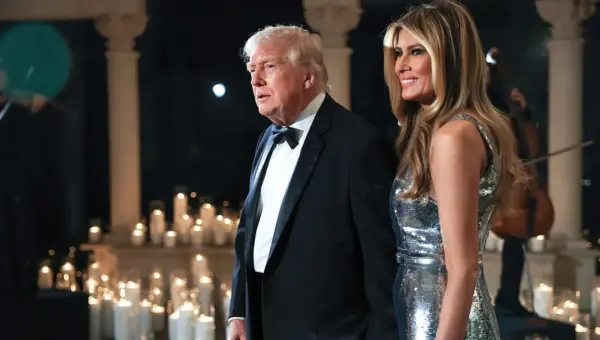
Trump Attends ‘Chicago’ Opening: A Night of Politics and Performance
President Donald Trump and First Lady Melania Trump attended the opening night of the musical "Chicago" at the Trump International Hotel and Tower. This cultural outing occurred against a backdrop of ongoing political developments and public scrutiny.

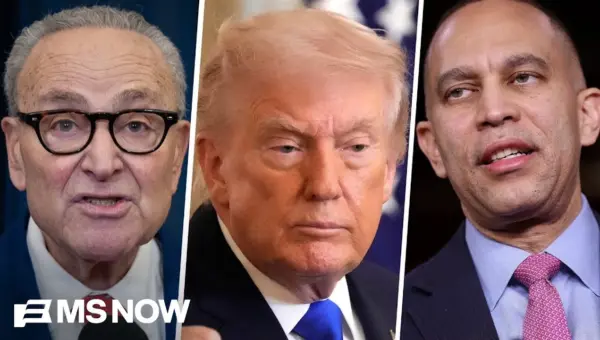
Midterms to Test Trump’s Grip on GOP, Voters Show Discontent
The upcoming midterm elections are expected to be a significant test of former President Donald Trump's influence within the Republican party and the broader electorate. With low approval ratings and voter discontent over key policies, the elections could signal a shift in political power. Experts believe the midterms will be more than just a check on the current administration, reflecting deep dissatisfaction that could impact both the House and the Senate.