Trump’s War Fuels Global Crisis: Economy Reels, Gas Prices Soar
President Trump's escalating war in the Middle East has triggered a global crisis, marked by a widening conflict, a sharp economic downturn in the U.S. with significant job losses, and soaring gas prices. Reports also highlight civilian casualties and potential Russian involvement in targeting U.S. forces.

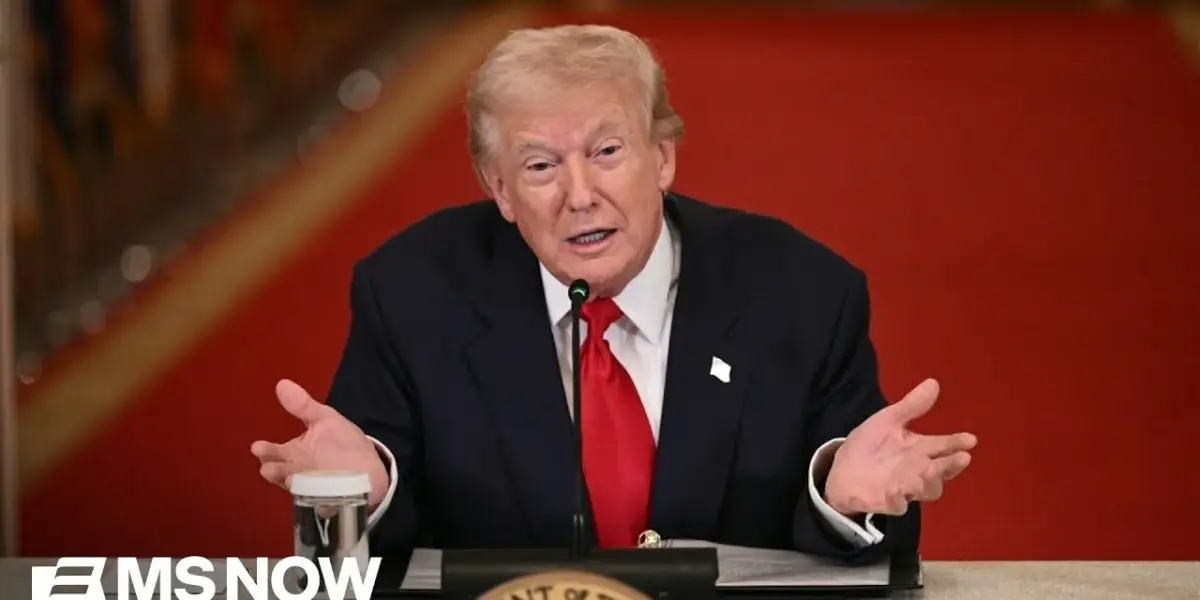
President Trump’s Escalating Conflict Plunges Middle East into Wider War, Economy Suffers Major Blows
In a dramatic turn of events, President Donald Trump’s administration finds itself at the center of a rapidly widening conflict in the Middle East, with devastating consequences for the global economy and American households. Reports emerging this week paint a grim picture: a volatile geopolitical landscape involving at least half a dozen nations, a sharp downturn in the U.S. economy marked by a significant jobs deficit, and skyrocketing oil prices that are directly impacting consumers at the pump. The situation has drawn parallels to dire predictions made years ago about the potential ramifications of a Trump presidency.
Economic Turmoil: Job Losses and Market Plunge
The U.S. economy is showing alarming signs of distress. A recent jobs report revealed a significant miss, with a loss of 92,000 nonfarm payroll jobs in February. This pushed the unemployment rate up to 4.4%, with substantial losses in both factory and private sector employment. These figures stand in stark contrast to economic projections, signaling a potential recessionary environment. The stock market reacted sharply to the news, with indices tumbling amid the negative economic indicators.
Gasoline Price Shock: War Drives Up Costs for Americans
The escalating conflict in the Middle East has directly contributed to a surge in global oil prices, leading to a sharp increase in gasoline costs for Americans. Since the beginning of the year, the price of light, sweet crude – the gasoline that fuels most vehicles – has nearly doubled. As of this past week, the average price at the pump has risen by 27 cents per gallon, according to the American Automobile Association. In some states, including Indiana and West Virginia, gas prices have spiked by as much as 44 cents, affecting regions that notably voted for President Trump in the last election.
The full impact of supply disruptions from the war is yet to be felt. Shipping traffic in the Persian Gulf, particularly through the Strait of Hormuz, has been significantly hampered. Major oil-producing nations like Kuwait have curbed output, and Qatar has warned of potential oil supply shutdowns if the conflict persists. This growing crisis has prompted concern within the administration, with Chief of Staff Susie Wiles reportedly urging advisors to develop strategies to mitigate the rising gas prices.
The Human Cost: Civilian Casualties and Infrastructure Damage
Beyond the economic fallout, the human cost of the conflict is mounting. Reports indicate that American forces may have been responsible for a devastating strike on a girls’ elementary school on the war’s opening day, resulting in the deaths of at least 165 people, many of them children, according to Iranian reports. This incident could represent one of the worst mass killings of civilians by the U.S. military in recent years. The Pentagon and White House have stated they are investigating the incident.
The World Health Organization has reported that at least 13 hospitals in Iran have been struck, and four medics are among the more than 1,200 people killed there, according to local reports. These actions appear to align with directives from Secretary of Defense Pete Heggem, who has reportedly called for commanders to pursue “maximum lethality” and move away from restrictive rules of engagement. This approach, described as a departure from “politically correct” past conflicts, prioritizes aggressive action over cautious engagement.
The human toll extends to multiple nations, with reported fatalities including over 1,200 Iranians, 120 Lebanese, 11 Israelis, and nine Gulf state residents. The financial burden on the U.S. is also substantial, with estimates suggesting the Pentagon is spending as much as $2 billion per day on the war, a conflict for which congressional approval has not been sought.
Russia’s Involvement and Trump’s Response
Adding a dangerous new dimension to the conflict, reports indicate that Russia is providing Iran with targeting information to attack American forces in the Middle East. This includes the locations of U.S. warships and aircraft, marking a significant, albeit unofficial, escalation involving another major American adversary. This development raises serious concerns about the administration’s strategy and its management of escalating international tensions.
In a peculiar moment during an event focused on college athletics, President Trump was pressed by a reporter about this critical development. He appeared to dismiss the reporter’s concerns, stating that the issue of Americans being targeted by adversaries was a less pressing matter than the financial intricacies of college sports, such as Name, Image, and Likeness (NIL) deals. He characterized the reporter’s question about the war as an interruption to a discussion of “serious business.”
When asked about the war in Iran, President Trump reportedly deflected, stating that the U.S. military was performing exceptionally well and had been rebuilt during his first term. He then pivoted to Cuba, suggesting its imminent collapse and a desire to make a deal with the U.S., a topic he introduced without being prompted. This deflection highlights a perceived lack of focus on the pressing international crisis, despite his administration’s central role in its escalation.
Looking Ahead: Unforeseen Consequences and Future Stability
As the conflict in the Middle East continues to unfold, its long-term consequences remain uncertain. The confluence of a volatile geopolitical situation, a faltering economy, and rising energy prices presents a significant challenge for the administration and the American public. The lack of clear objectives and a defined end-game for the war, coupled with the increasing involvement of global adversaries, raises profound questions about the path forward and the potential for further escalation. The coming weeks will be critical in determining whether diplomatic solutions can be found to de-escalate the current crisis and mitigate its far-reaching economic and human costs.
Source: Trump SNAPS at reporter over Iran question, demands football focus (YouTube)

Related Articles
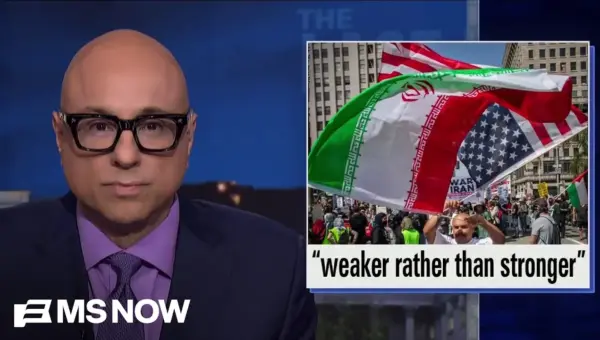
Trump’s War Sparks Public Outrage, Questions Nation’s Strength
President Trump's initiation of a war with Iran, lacking public support, has sparked widespread concern and damaged national morale. Critics argue the conflict is weakening the U.S. and is driven by a performative display of strength rather than strategic necessity.


Iran War: Regime Change, Not Nukes, Fuels US Conflict
The stated reason for the U.S. war with Iran centers on nuclear threats, but a deeper analysis of recent history and strategic shifts suggests regime change is the primary, unstated objective. This distinction has profound implications for the conflict's duration and global impact.


US Considers Boots on Ground in Iran Amid Escalating Conflict
The United States is reportedly considering deploying troops on the ground in Iran, signaling a potential escalation of the ongoing conflict. As the war expands into Lebanon and discussions turn to Kurdish involvement, Richard Engel reports from Tel Aviv on the intensifying regional tensions and Russia's alleged support for Iran.