Trump’s War Escalates: US Plane Down, Allies Flee
A downed US aircraft and injured French soldiers in Iraq signal a dangerous escalation in the Middle East. As allies question US leadership, the region faces instability, economic fallout, and a potential reshaping of global alliances.

A Region Unraveling: Escalation and Shifting Alliances
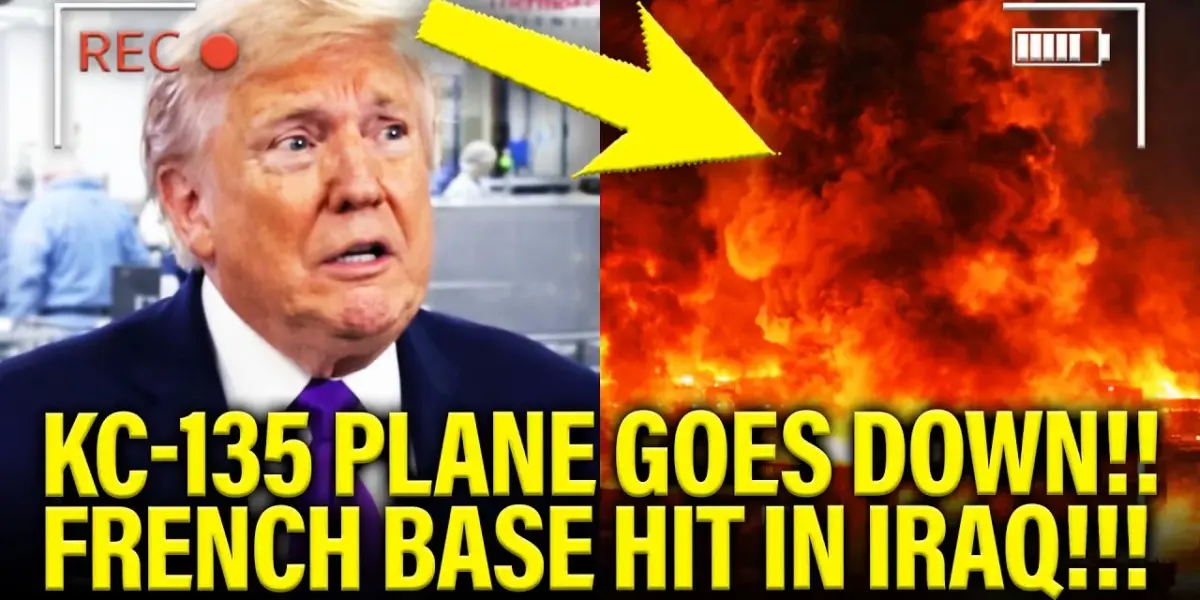
The geopolitical landscape is fracturing under the weight of escalating conflict in the Middle East, with a downed US aircraft and a growing sense of unease among traditional allies signaling a dangerous new phase. The incident involving a US KC-135 refueling aircraft in western Iraq, resulting in six missing crew members, has ignited fears of a wider conflagration. This event, occurring during what is termed ‘Operation Epic Fury,’ has been met with a torrent of accusations and anxieties, particularly directed at the Trump administration’s handling of the crisis.
The Unfolding Crisis in Iraq and Beyond
US Central Command confirmed the loss of the KC-135, stating it occurred in “friendly airspace.” While initial reports suggest it was not due to hostile fire, the absence of six crew members, who remain missing, underscores the gravity of the situation. A second KC-135 involved in the incident managed to land safely. Simultaneously, a French military base in the Machore region of northern Iraq, a joint facility with Kurdish Peshmerga forces, was struck by Iranian drones, injuring six French soldiers. These dual incidents highlight the expanding reach of the conflict and the increasing danger to international forces operating in the region.
Economic Repercussions and Political Peril
The spiraling conflict is not only a military and humanitarian concern but also a significant economic and political liability. Reports suggest that Vladimir Putin is a key beneficiary, with Russia reportedly earning hundreds of millions of dollars daily from oil sales amidst the turmoil. The Strait of Hormuz, though reportedly closed by Iran, remains open to Iran and China, indicating a complex web of economic and strategic interests at play.
Domestically, the rising gasoline prices are creating political headwinds for Donald Trump. He has publicly called on Federal Reserve Chairman Jerome Powell to lower interest rates, a move experts warn could be disastrous amid surging inflation. The administration’s approach to the crisis is increasingly being questioned, with Treasury Secretary Scott Bessant acknowledging the need for an international coalition to protect shipping in the Strait of Hormuz, admitting that “America doesn’t have the capabilities to do it alone.” This admission has been seized upon as evidence that the ‘America Alone’ strategy is faltering.
Shifting Alliances and Diminishing US Influence
Perhaps one of the most significant implications of the escalating conflict is the apparent erosion of trust in US security guarantees among Gulf states. Reports indicate that these nations are engaging in serious discussions about new regional security arrangements, potentially with Iran, as they no longer believe the US can adequately protect them. The current US-Israeli war is seen as having brought instability to the region, with accusations that Donald Trump’s actions demonstrate a lack of preparedness and understanding, exposing the limits of US security assurances.
This perceived weakening of US resolve and strategic missteps are contributing to a reshaping of the global order. While Trump continues to engage with leaders like Vladimir Putin and Xi Jinping, even as Russia and China appear to be supporting Iran against the United States, other nations are charting their own courses. India, for instance, has expressed deep concern over the escalation and engaged in dialogue with Iran, emphasizing the need for peace, stability, and the safety of its nationals, suggesting a more nuanced and potentially sympathetic stance towards Iran than that of the US.
Accusations of Deception and Misinformation
The narrative surrounding the conflict has become increasingly contentious, with accusations of deception and propaganda leveled against the Trump administration. Critics point to shifting justifications for military action, ranging from regime change to retribution, with little clear evidence or consistent strategy. The lack of a clear mission, coupled with what is described as “lying to the American public,” makes it difficult to rally support for any future necessary actions, especially those that are not clearly defensive.
Furthermore, there are concerns about the downplaying of risks, including the potential for casualties and life-altering injuries among service members. The administration’s communication strategy is being criticized as “cartoonishly bad and evil,” with lies that are easily exposed, making the US appear weaker internationally. This undermines the ability to build a “coalition of the willing” when allies perceive dishonesty about objectives and capabilities.
Historical Context and Future Outlook
The current situation echoes historical patterns of regional instability exacerbated by external interventions. The reliance on a strong military without a coherent diplomatic strategy has often led to prolonged conflicts and unintended consequences. The Trump administration’s approach, characterized by unilateral actions and a transactional foreign policy, appears to be alienating traditional allies and creating vacuums that adversaries can exploit.
The testimony of a Democratic Congressman highlights the deep divisions and concerns within the US political establishment regarding the war’s trajectory. The congressman criticizes the shifting justifications, the lack of an exit strategy, and the downplaying of risks. He argues that the administration’s actions have not only damaged US credibility but also created a dangerous precedent for future international engagements. The focus on personal interests over national well-being is a recurring theme, with accusations that the administration prioritizes “Trump family first” and “billionaires first” over the needs of working-class Americans.
Why This Matters
The escalating conflict in the Middle East, marked by the loss of a US aircraft and injuries to international personnel, is a stark indicator of deteriorating regional stability. The potential for a wider war carries immense human, economic, and geopolitical costs. The erosion of trust in US leadership and the shifting allegiances of key regional players signal a significant challenge to American influence and global order. Domestically, the war exacerbates economic pressures, particularly through rising energy prices, and raises fundamental questions about the administration’s foreign policy objectives, transparency, and strategic competence.
Implications, Trends, and Future Outlook
The current events point to several critical trends: a potential realignment of regional security alliances, a growing skepticism towards US security guarantees, and an increasing reliance on diplomacy and de-escalation by nations seeking stability. The US, under the current administration, appears to be facing a crisis of credibility, forcing a reassessment of its role in the Middle East. The long-term outlook suggests a more multipolar world where regional powers play a more assertive role in security, and the US may find its influence diminished if it cannot rebuild trust and demonstrate strategic clarity.
A Call for Responsible Governance
Amidst the geopolitical turmoil, there is a growing bipartisan call for a return to responsible governance focused on domestic priorities. Initiatives like the Congressional Dad’s Caucus aim to shift the focus towards tangible improvements in the lives of American families, such as affordable housing, childcare, and caregiving support. This reflects a desire for a foreign policy that prioritizes national interests and the well-being of citizens, rather than engaging in costly and potentially destabilizing overseas conflicts. The emphasis is on building a future that is not only secure but also affordable and equitable for all Americans, a stark contrast to the current crisis unfolding in the Middle East.
Source: Trump LOSES IT as US PLANE goes DOWN IN WAR…6 MISSING?! (YouTube)

Related Articles

Trump’s War Talk Distracts as World Burns
As global conflicts escalate and economic pressures mount, Donald Trump's focus on past grievances and symbolic wins overshadows pressing issues. His rhetoric, including questionable claims about ending wars and strategic use of terminology to bypass Congress, raises concerns about leadership and national priorities.

Iran Extends Strait of Hormuz Deadline Amid Global Oil Tensions
The U.S. has granted Iran a 10-day extension to reopen the Strait of Hormuz, a critical global oil route. This move comes amid complex negotiations, military actions, and concerns over Iran's strategic leverage and resilience. Lawmakers express frustration over the lack of a clear strategy and potential escalation.

Iran Tensions Rise, Airport Chaos Looms
Global tensions escalate as Iran war concerns impact oil prices and stock markets. Simultaneously, a potential end to the TSA worker pay crisis is in sight with a presidential order. In personal news, Savannah Guthrie shares new details about her mother's kidnapping, while the family of an Idaho murder victim champions a new law protecting victims' privacy. Finally, Nicolas Maduro challenges his indictment in a New York court over legal fees.