Trump’s War Escalates: Allies Rebel Amidst Shifting Stories
Joint U.S.-Israeli strikes on an Iranian gas field have escalated tensions, with former President Trump denying responsibility after initial confirmation. This has led to allies rebuking the actions and intelligence officials facing scrutiny over shifting narratives. The situation is further complicated by reports of a troubling Oval Office meeting and ongoing efforts to manage the Epstein scandal.

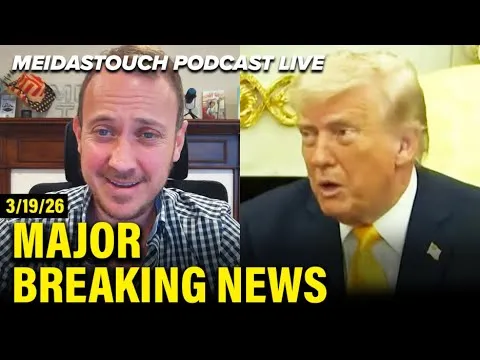
Trump’s War Escalates: Allies Rebel Amidst Shifting Stories
A dangerous new phase of conflict seems to be unfolding on the world stage. Reports suggest that joint U.S. and Israeli forces carried out strikes on a major Iranian gas field. This action has heightened tensions, especially as the administration’s initial confirmation of the strikes was later denied by former President Trump himself. Iran has since retaliated, and the situation is becoming increasingly unstable.
This isn’t just about military actions; it’s also about how information is being handled. Explosive hearings have taken place where Trump’s former intelligence officials faced tough questions. They were grilled about changing stories and what some are calling lies regarding the events. This has led to a significant rebuke from U.S. allies. Many of these allies are refusing to support what they see as reckless actions by the former president.
A Troubling Meeting and Ongoing Scandals
Adding to the global concern is a deeply disturbing report about an Oval Office meeting. This meeting involved the former president and the Prime Minister of Japan. The details of this meeting have raised alarms around the world, suggesting a potential disregard for diplomatic norms or sensitive information. The specifics of what transpired are still unclear, but the international reaction indicates serious unease.
Meanwhile, the Epstein scandal continues to cast a long shadow. There are ongoing updates regarding former President Trump and his connection to the disgraced financier. Reports indicate that the White House and Republican allies are working hard to manage or suppress information related to this scandal. This effort to control the narrative adds another layer of controversy to an already complex political climate.
The situation is a chaotic, high-stakes moment with global consequences. Key figures are working to understand and address these rapidly developing events.
Why This Matters
The events described point to a pattern of behavior that could have serious implications. When military actions are taken and then denied by a former leader, it creates confusion and mistrust. This can undermine international alliances and make it harder to respond effectively to future crises. The questioning of intelligence officials highlights concerns about transparency and accountability.
The refusal of U.S. allies to back certain actions is a significant development. It suggests a growing divide in foreign policy approaches. This could weaken America’s standing on the global stage and make it more difficult to achieve common goals with partners. The reported meeting with the Japanese Prime Minister also raises questions about national security and proper handling of sensitive diplomatic interactions.
Furthermore, the ongoing efforts to address the Epstein scandal and its connections suggest a struggle for political control and public perception. How these issues are handled can affect trust in government and the rule of law. It’s a complex web of international relations, domestic politics, and accountability.
Historical Context and Future Outlook
History shows that periods of international tension often involve conflicting narratives and shifting alliances. The post-World War II era, for example, saw the formation of strong alliances based on shared values and security interests. However, even during those times, disagreements and strategic maneuvering were common. The current situation appears to be testing the strength of those long-standing relationships.
The way former President Trump has approached foreign policy, often characterized by a more transactional and unilateral style, contrasts with traditional diplomatic methods. This approach has led to both strong support from his base and sharp criticism from opponents and international observers. The reported denial of U.S. strikes is an unusual event that could set a new precedent for how such actions are communicated or disavowed.
Looking ahead, the implications are significant. If international partners continue to distance themselves from U.S. actions, it could lead to a less stable global order. The ability of intelligence officials to provide clear and consistent information is crucial for democratic governance. The ongoing scandals also point to the persistent challenges of maintaining ethical standards in public office.
The future will likely involve continued efforts to clarify responsibilities, rebuild trust, and navigate complex geopolitical challenges. The outcome of these events will shape international relations and domestic politics for years to come. It’s a critical time that requires careful analysis and a clear understanding of the facts.
Source: LIVE: MeidasTouch RESPONDS to MAJOR BREAKING NEWS – 3/19/26 (YouTube)

Related Articles

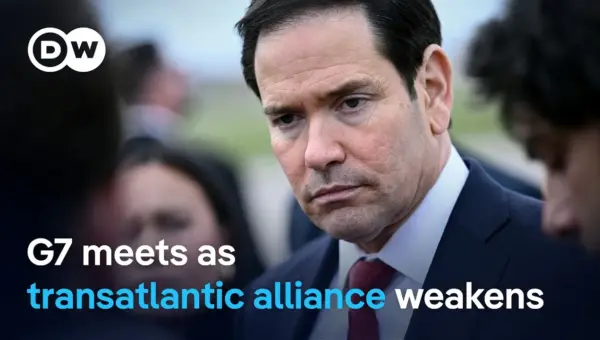
G7 Allies Clash Over Iran War Strategy, Urge Focus on Russia
G7 foreign ministers met in Paris, revealing deep divisions over the U.S. war with Iran. European allies urged the U.S. to pressure Russia, linking its actions to the conflict and fearing support for Ukraine will wane.


Iran Blocks China Ships, Exposing Beijing’s Weak Grip
Iran's recent decision to block Chinese ships at the Strait of Hormuz is exposing the limits of Beijing's influence in the Middle East. This action is causing delays and cancellations for Chinese manufacturers, turning a perceived geopolitical win into an economic strain.
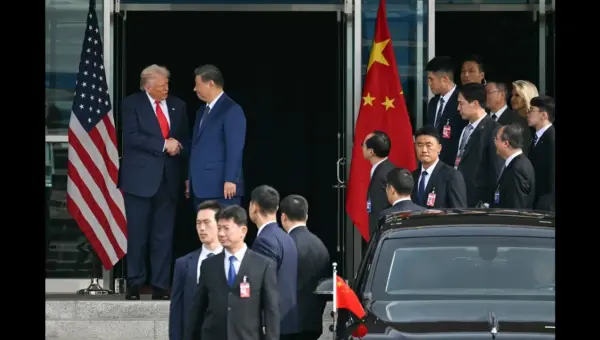
Trump’s “Walk Away” Tactic Signals Tougher Stance on China
Retired Air Force Brigadier General David Stillwell believes President Trump's strategy of being willing to walk away from negotiations puts pressure on China. This tactic, combined with US global actions and strengthened alliances, signals a more assertive American foreign policy.