Trump’s War Dead Response Sparks Outrage, Judicial Attacks
Donald Trump faces intense criticism for his perceived lack of empathy towards fallen soldiers, failing to comment on the deaths of six Air Force personnel in a recent crash. Simultaneously, he is engaged in a public battle with the judiciary over his illegal tariffs, with federal judges ordering significant refunds.

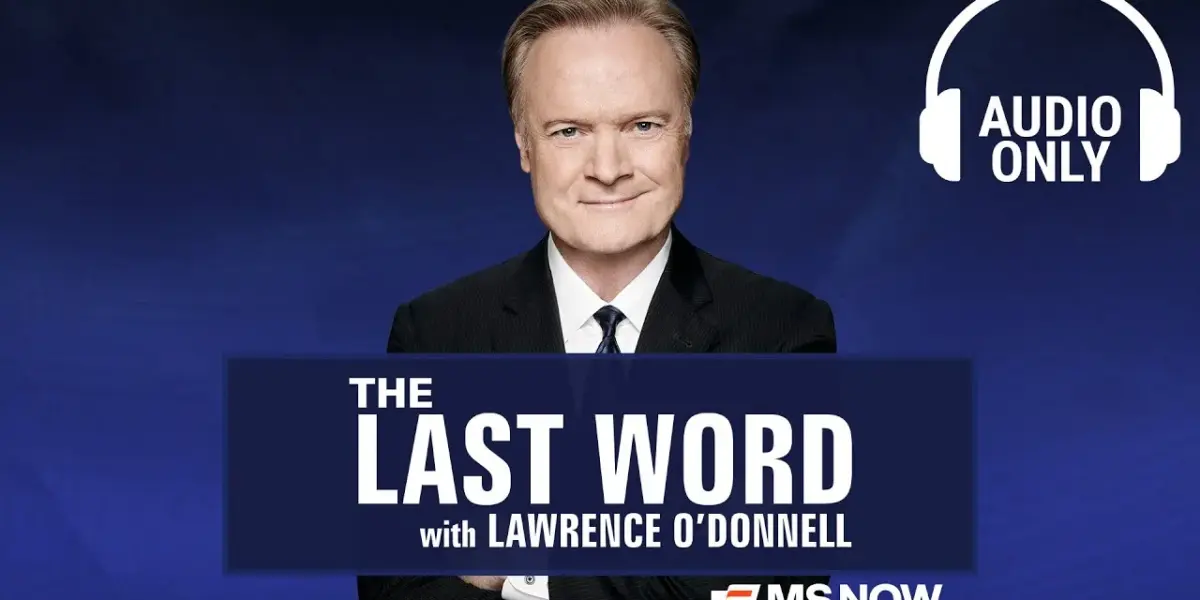
Trump’s Silence on Military Deaths Draws Fire
In a stark departure from presidential norms, Donald Trump has been accused of failing to express adequate sympathy for American service members killed in a conflict he initiated. Critics point to a recent incident where six Air Force personnel died in a refueling plane crash in a newly designated war zone. When questioned by reporters, Trump reportedly offered no verbal acknowledgment or comment on their sacrifice, instead turning away to solicit unrelated questions. This perceived lack of empathy has been labeled as sociopathic behavior by commentators, who argue that every preceding president, regardless of eloquence, has found the words to honor military sacrifice.
The six service members lost in the crash were identified as Sergeant Tyler Simmons, 28, of Columbus, Ohio; Major John Cler, 33, of Auburn, Alabama; Captain Ariana Cino, 31, of Coington, Washington; Sergeant Ashley Puit, 34, of Bardstown, Kentucky; Captain Seth Kovalt, 38, of Stoutsville, Ohio; and Captain Curtis Angst, 30, of Wilmington, Ohio. Families of the fallen have expressed grief and questioned the necessity of the war, with one cousin stating, “This could have been prevented. We didn’t need to be in this war.” The dignified transfer of the remains, scheduled to be closed to the press at the families’ request, has also become a point of contention, with accusations that Trump has previously exploited such solemn occasions for political gain.
Exploitation of War Dead and Fundraising Accusations
Lawrence O’Donnell, host of “The Last Word,” highlighted past instances where Trump allegedly used the dignified transfer ceremony for fundraising. A fundraising email reportedly featured a photograph of Trump wearing a hat at such an event, accompanied by a message soliciting donations for “private national security briefings” and “unfiltered updates.” Critics condemned this as a disrespectful exploitation of fallen soldiers’ sacrifice, suggesting that any other president would face unanimous condemnation from Congress for such behavior.
The article also details Trump’s alleged tendency to fabricate events and statements, including a claim that a former Democratic president supported his war. Statements from former Presidents Bill Clinton, Barack Obama, and Joe Biden reportedly refuted this assertion, underscoring concerns about Trump’s grasp on reality and his capacity to serve, particularly in the context of a war he initiated without clear objectives for its conclusion.
Incoherent Strategy and International Ramifications
Trump’s responses to questions about the war’s duration have been described as nonsensical, with him stating it would end “when I feel it.” This lack of a clear strategy and reliance on personal feelings rather than defined metrics has been a major point of criticism. Commentators suggest that such incoherence has led to a situation where Iran’s foreign minister might possess more credibility than the U.S. President regarding the conflict.
Furthermore, the war has reportedly triggered the largest oil supply disruption in history, with crude prices surging approximately 40%. Trump’s efforts to secure international cooperation, including inviting Russia and Iran back into the world oil market to increase supply, have been met with skepticism. Critics argue that this policy benefits Russia, which is seen as a primary beneficiary of the conflict and the disruption of oil supplies through the Strait of Hormuz.
Attacks on the Judiciary and Abuse of Power
Beyond the foreign policy and military aspects, the article delves into Trump’s ongoing attacks on the federal judiciary. Trump has reportedly expressed outrage over court decisions that have found his tariffs illegal and unconstitutional. A specific focus is placed on Judge James Boasberg’s decision to quash subpoenas targeting Federal Reserve Chair Jerome Powell, a ruling that described the subpoenas as issued with the “sole intent to harass and intimidate.”
The transcript features commentary from Senator Sheldon Whitehouse, who elaborates on the implications of these judicial challenges. Whitehouse criticizes the U.S. Attorney’s office’s justification for the subpoenas as “shoddy” and driven by an “improper political motive.” He also discusses the alarming trend of “flying monkeys” – individuals who, incited by online provocations, send threats and harassment to judges, with concerns raised about the U.S. Marshals Service’s commitment to investigating the orchestration of these threats.
Tariff Refunds and Judicial Expertise
A significant portion of the discussion centers on the U.S. Court of International Trade’s ruling that Trump’s tariffs were illegal and unconstitutional, a decision upheld by the Supreme Court. Judge Richard Eaton has ordered the Treasury to refund the collected tariffs, with interest, to American companies. This ruling comes as Trump continues to falsely claim that no refunds would be issued because tariffs were paid domestically.
Neil Kachtil, a lawyer involved in the case, emphasizes the expertise of Judge Eaton and the Court of International Trade in matters of tariff collection and refunds. The court has given the Treasury 45 days to establish an automated system for processing these refunds, which are estimated to accrue substantial interest daily. The article concludes by highlighting the contrast between Trump’s public pronouncements and the legal and judicial processes that are holding him accountable.
Source: The Last Word with Lawrence O'Donnell – March 16 | Audio Only (YouTube)

Related Articles
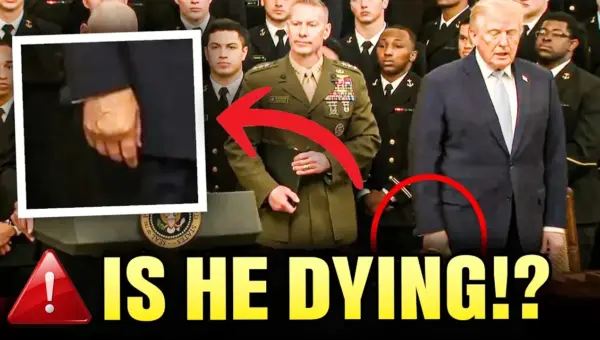
Trump’s 200-Year Lifespan Claim Defies Biology
Donald Trump recently claimed he could live to 200 years old, a statement attributed to his former doctor and diet advice. This assertion, made while appearing visibly unwell, starkly contrasts with scientific understanding of human lifespan limits, which cap around 120 years. The incident raises questions about health claims and medical ethics.
G7 Leaders Clash Over Trump’s Iran Policy Amidst Global Crisis
World leaders at a G7 meeting voiced sharp criticism of Donald Trump's Iran policy, citing concerns over the Strait of Hormuz and a looming global recession. Disagreements emerged regarding strategy and accusations of misinformation, highlighting deep divisions.
Trump’s Oil Market Influence Wanes Amidst Global Instability
Former President Donald Trump's attempts to influence oil markets have reportedly failed, raising concerns about his diminishing credibility. Analysts compare his approach to "the boy who cried wolf," suggesting a loss of trust among market participants. The discussion also touched upon the use of personal devices for government communication and the vetting of political candidates amidst controversial remarks.