Trump’s War ‘Cosplay’ Ignites Fury Among Veterans
Former military pilots and combat veterans are sharply criticizing the Trump administration's approach to the Strait of Hormuz tensions. They cite alleged incompetence in military preparedness and a callous attitude towards the human cost of war, labeling it dangerous "warrior cosplay."

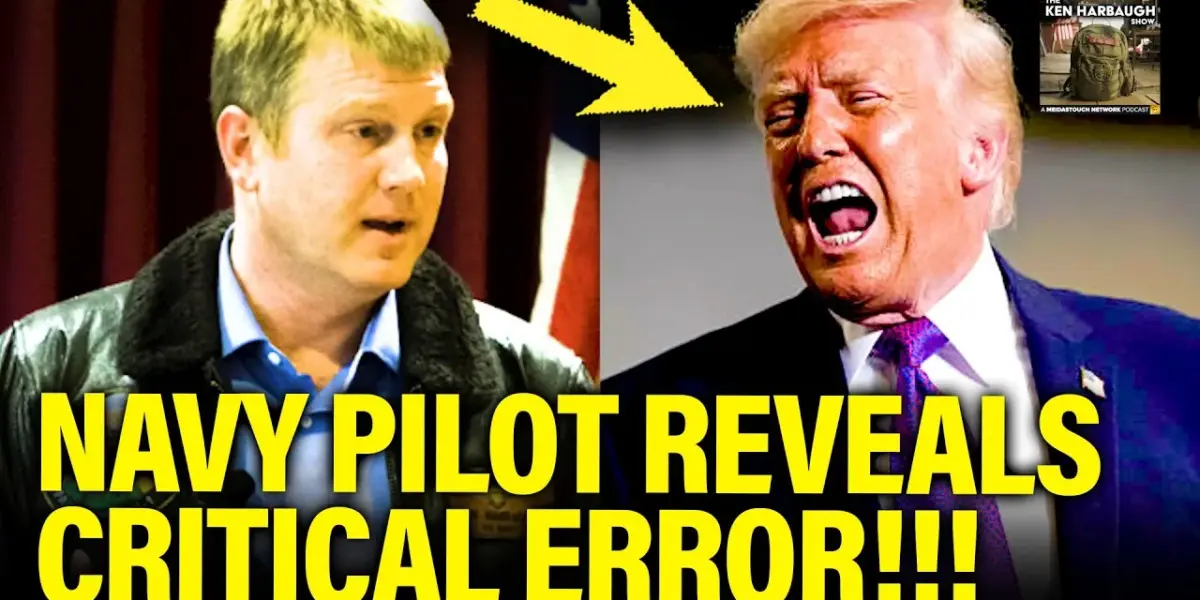
Trump’s War ‘Cosplay’ Ignites Fury Among Veterans
The Strait of Hormuz is a critical waterway, a narrow passage vital for global oil trade. Recently, tensions have flared, with Iran reportedly interfering with shipping. In response, the Trump administration made bold claims about its control and readiness. However, a former Navy recon pilot and other veterans are raising serious alarms, calling the administration’s approach incompetent and even dangerous.
A Pilot’s Perspective on Hormuz
The former pilot, Ken Harbaugh, who flew missions over the Strait of Hormuz for years, stated that Iran’s ability to disrupt shipping in the area is a well-known, long-standing threat. He expressed shock that the Trump administration seemed unprepared for this possibility. “Closing the Strait of Hormuz is on page one of the Iranian military’s playbook,” Harbaugh explained. He believes that despite decades of awareness, the administration had no solid plan for such a scenario, which he considers a major oversight.
Adding to these concerns, Harbaugh pointed to the decommissioning of U.S. Navy mine sweepers stationed in Bahrain. These specialized ships, designed to clear naval mines, were sent for scrap while their replacements were reportedly still having problems. Some of these new ships even left the region shortly after arriving, for reasons the Navy has not fully explained. This situation, according to Harbaugh, points to a troubling lack of preparedness.
‘Warrior Cosplay’ and the Human Cost of War
The criticism extends beyond military readiness to the rhetoric and perceived attitude of the Trump administration towards conflict. Fred Wellman, a West Point graduate, Army aviator with four combat tours, and congressional candidate, joined Harbaugh in condemning what he called “warrior cosplay” and “war porn” coming from the White House. Wellman argues that those who have experienced the realities of war understand its gravity, unlike those he believes treat it like a video game.
Wellman shared a deeply personal perspective, recalling the loss of soldiers under his command. He emphasized that war involves profound loss and grief for families. “War is a family member deathly afraid of a knock on the door of men and women in full uniform telling them the worst possible news,” he stated. He contrasted this reality with what he sees as a flippant attitude from some officials, who he feels celebrate military actions without fully grasping the human cost.
“The score, no matter what you think you’re scoring against the enemy, six dead wins out and another eight dead in a CP.”
— Fred Wellman
Failures in the Field and on the Airwaves
Wellman highlighted specific incidents that he believes demonstrate a pattern of failure and carelessness. He mentioned the loss of six service members in what appeared to be a KC-135 crash, a somber reminder of the risks inherent in military service. He also pointed to an attack in Kuwait where service members died in an unprotected command post, despite warnings about drone threats. This, he argued, was a failure of leadership to provide adequate protection.
Furthermore, the incident involving three F-15s being shot down by a friendly F-18 in Kuwait was cited as an example of poor coordination with allies, a responsibility falling on the Secretary of Defense. Wellman expressed frustration that instead of addressing these failures, officials like the Secretary of Defense seem to be bragging about military actions. He described this attitude as “sickening” and expressed deep concern that leaders might not feel the true weight of the decisions that send service members into harm’s way.
The Burden of Leadership
Both Harbaugh and Wellman stressed the importance of understanding the “burden of leadership.” Wellman compared it to a “heavy robe” that leaders should feel, symbolizing the weight of responsibility for lives. He wants leaders who truly feel this burden, especially when making decisions that affect soldiers, including his own son-in-law and son. He contrasted this with what he perceives as a “doormat Congress” that allows itself to be walked over, failing to grasp the gravity of sending troops to war.
A particularly disturbing aspect discussed was the dehumanization of the enemy. Wellman noted that officials sometimes use “bloodthirsty terms” while also offering prayers, which he finds contradictory to the values of valuing all life, including that of adversaries. He recalled the military’s own practices of providing medical care to enemy soldiers after combat, a tradition he believes is being forgotten.
Moral Injury and Damaged Credibility
The conversation also touched upon the concept of “moral injury,” the psychological distress that can result from actions or witnessing events that violate one’s moral code. This is especially relevant for drone operators who witness the death and destruction they cause from afar. The administration’s alleged lying about incidents, such as bombing a school, further damages American credibility on a global scale, with implications that could last for generations.
Wellman referenced a “deadly calculus” learned in Iraq: for every enemy killed, more enemies are created. He argued that by treating the conflict with Iran in a seemingly callous manner and lying about civilian casualties, the U.S. is only alienating the Iranian people and potentially creating more enemies, rather than fostering understanding or peace.
Why This Matters
This analysis highlights a critical disconnect between the realities of warfare and the rhetoric used by some political leaders. The concerns raised by veterans like Harbaugh and Wellman are not just about military strategy but about the ethical conduct of war and the respect for human life. The perceived “cosplay” of war by those who haven’t experienced its true cost, combined with alleged incompetence in military preparedness and a disregard for the consequences of actions, poses significant risks.
It matters because the decisions made in Washington have profound impacts on the lives of service members, their families, and international relations. A genuine understanding of the burden of leadership, empathy for all lives involved, and meticulous preparation are essential for responsible governance, especially in matters of war and peace. The damage to American credibility, as suggested by the discussion on lying and dehumanization, can have long-lasting geopolitical consequences.
Implications and Future Outlook
The implications of this critical perspective are far-reaching. If the Trump administration’s approach is indeed characterized by “incompetence and arrogance,” as alleged, it suggests a dangerous pattern of decision-making. The focus on “war porn” and aggressive rhetoric, while potentially appealing to some, risks alienating allies, escalating conflicts, and creating unintended consequences. The “deadly calculus” of creating more enemies by killing them is a timeless lesson that, if ignored, promises further instability.
Looking ahead, the emphasis on the human cost of war and the moral responsibilities of leaders is crucial. The experiences of individuals like Wellman, who have directly faced the consequences of war, offer vital insights often missing from political discourse. The future of American foreign policy and military engagement will depend on whether such voices are heard and heeded, prioritizing genuine preparedness and ethical conduct over performative displays of strength.
Historical Context
The Strait of Hormuz has long been a geopolitical flashpoint. Its strategic importance has led to numerous naval deployments and security concerns throughout history. The U.S. Navy’s presence and its specialized equipment, like mine sweepers, are part of a long-standing effort to ensure freedom of navigation. The discussion about preparedness echoes past challenges where military readiness and strategic planning were tested, sometimes with tragic outcomes.
The critique of “war cosplay” also has historical parallels. Leaders throughout history have been criticized for appearing detached from the realities of war, engaging in rhetoric that glorifies conflict without acknowledging its true toll. The veterans’ emphasis on the “burden of leadership” reflects a timeless ideal of military and political responsibility, contrasting with any perceived trivialization of life-and-death decisions.
Source: Trump FATAL ERROR Exposed by Pilot who FLEW OVER HORMUZ (YouTube)

Related Articles

U.S. Iran Tensions Rise Amid Shifting Alliances
Rising tensions between the U.S. and Iran are creating a volatile geopolitical situation. With conflicting signals on de-escalation and potential shifts in alliances like NATO and U.S.-Israel relations, the path forward remains uncertain. The global economy and regional stability hang in the balance.

Trump Halts Iran Strikes Amid Stalled Diplomacy
President Trump announced a pause on planned strikes against Iran, citing productive talks, though Iran denies negotiations occurred. Reports also suggest a potential U.S. ground operation on Iran's Hark Island. The situation raises concerns about international support for Ukraine and potential shifts in U.S. foreign policy.


DOJ Official’s Remarks Spark Outrage Over Political Allegations
A top Trump DOJ official's speech at CPAC has sparked controversy, with claims of incriminating admissions regarding fears of prosecution and alleged political motivations. The remarks have raised serious questions about impartiality within the Department of Justice.