Trump’s War Claims Crumble Amidst Media Defense Failure
An analysis of the Trump administration's defense of its war with Iran reveals a stark contrast between official narratives and on-the-ground realities. Critics point to a pattern of misinformation, economic devastation, and escalating regional tensions that undermine claims of success.

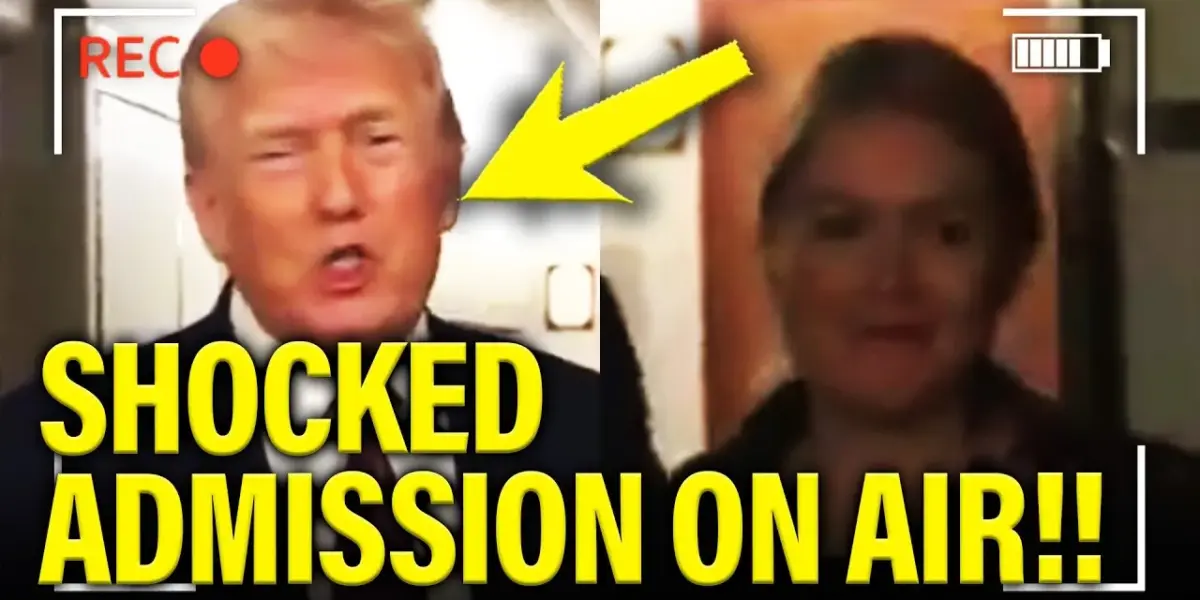
Trump Administration’s War Narrative Falters Under Scrutiny
Recent media appearances by Trump administration officials, particularly those defending the ongoing conflict with Iran, have been characterized by what critics describe as a desperate and ultimately unsuccessful attempt to control the narrative. The video transcript highlights a significant disconnect between the administration’s portrayal of the war as a success and the on-the-ground realities as reported by various news outlets and observed through escalating global tensions.
A Defense Built on Contradictions
The core of the critique centers on interviews featuring Caroline Levit, identified as a chief propagandist for the Trump administration, and Lara Trump, Donald Trump’s daughter-in-law. These appearances, particularly on platforms like Fox News, are presented as attempts to counter what the administration labels as negative or inaccurate reporting from outlets such as The New York Times and CNN. However, the analysis suggests these defenses were not only unconvincing but actively undermined the administration’s credibility.
Levit’s assertions, such as the claim that the closure of the Strait of Hormuz was anticipated and planned for, are directly challenged. The argument presented is that if the administration truly foresaw and planned for such an event, their response and subsequent actions would not have led to the current escalating situation. The transcript posits that the administration’s narrative is a circular logic: they invaded because Iran might disrupt oil flow, and their invasion subsequently caused major oil disruptions, thus proving the necessity of the invasion.
“We invaded to prove that they had the capabilities of shutting down these straight of hormones. And now we proved it. So, haha, we did it. Mission accomplished. We showed that they have those capabilities. What in the world are you talking about here?”
Economic and Human Costs Underplayed
The analysis emphasizes the severe economic and human toll of the conflict. It points to the “biggest oil shock in the history ever of the world” and the tragic loss of life, with “13 service members who have been killed in this war with 200 injured, many more seriously wounded.” The transcript also raises serious doubts about the transparency of these numbers, suggesting the administration has a history of misrepresenting facts.
Furthermore, the economic ramifications extend beyond immediate oil prices. The transcript alleges that the conflict has devastated the tourism industries in Middle Eastern nations like Qatar and the UAE, and has broadly damaged the long-term economic prospects of the region due to a perceived lack of stability fostered by Trump’s policies. This stands in stark contrast to the administration’s claims of a successful operation.
Iran’s Position and Regional Dynamics
Contrary to the administration’s portrayal of Iran as “totally decimated and obliterated,” the transcript argues that Iran remains a potent force. It cites ongoing Iranian missile and drone attacks on neighboring countries, including northern Israel and Tel Aviv, as evidence of their continued capability and resolve. The US embassy in Baghdad issuing a warning for American citizens to leave Iraq is also presented as a significant indicator of escalating danger, not a sign of Iranian weakness.
The narrative suggests that instead of being weakened, Iran is actually growing stronger and more influential in the region. The argument is made that the administration’s actions have inadvertently pushed regional nations towards bilateral deals with Iran, further isolating the US and undermining its objectives. The transcript also notes direct threats from Iranian leaders towards Trump, indicating a defiant stance rather than a desperate one.
The Role of Media and Pundits
The analysis is critical of media figures and pundits who echo the administration’s talking points. The endorsement of the war by figures like Ben Shapiro, who awarded it an “A+”, and Lindsey Graham, who spoke of obliterating Iran’s nuclear program, is framed as detached from the grim realities. The transcript labels such views as “deranged” and “loser behavior,” suggesting a fundamental misunderstanding or willful ignorance of the conflict’s consequences.
Conversely, the transcript contrasts this with the actions of the Biden administration, highlighting its focus on supporting Ukraine and avoiding new, large-scale conflicts. The criticism is that the Trump administration, in its efforts to project strength, has instead made the US appear weaker on the global stage, eroding trust with allies and escalating regional instability.
Why This Matters
The discrepancy between the Trump administration’s public relations efforts and the observable outcomes of the conflict with Iran raises critical questions about accountability, transparency, and the effectiveness of foreign policy. The transcript suggests a pattern of misinformation designed to obscure the true costs and potential failures of a war. This matters because public perception, often shaped by media narratives, can influence political support, resource allocation, and diplomatic strategies. When official accounts are demonstrably at odds with reality, it erodes public trust and hinders informed debate about crucial national security issues.
Implications, Trends, and Future Outlook
The situation described points to a dangerous trend of escalating geopolitical conflict driven by potentially flawed decision-making and aggressive rhetoric. The reliance on propaganda over factual reporting, as alleged in the transcript, can lead to prolonged and costly engagements with unclear objectives and devastating consequences. The future outlook suggests continued instability in the Middle East, with a risk of wider conflict if diplomatic solutions are not prioritized over military posturing. The administration’s approach, if continued, could further isolate the United States and weaken its global standing.
Historical Context
The current conflict, as described, echoes historical instances where initial military objectives have become muddled, leading to prolonged engagements with unforeseen consequences. The rhetoric used by the administration, emphasizing strength and decisive action, is a common theme in periods of international tension. However, the transcript suggests that this approach, particularly when divorced from strategic clarity and grounded in what is presented as falsehood, can be counterproductive, leading to greater instability and a diminished capacity for genuine peace-building.
Source: Trump WH makes SHOCK ADMISSION as WAR CRASHES and BURNS!! (YouTube)

Related Articles
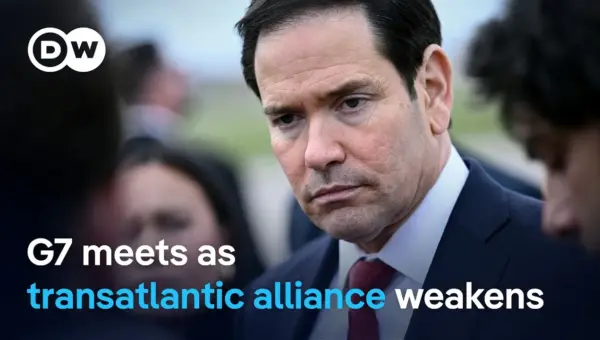
G7 Allies Clash Over Iran War Strategy, Urge Focus on Russia
G7 foreign ministers met in Paris, revealing deep divisions over the U.S. war with Iran. European allies urged the U.S. to pressure Russia, linking its actions to the conflict and fearing support for Ukraine will wane.

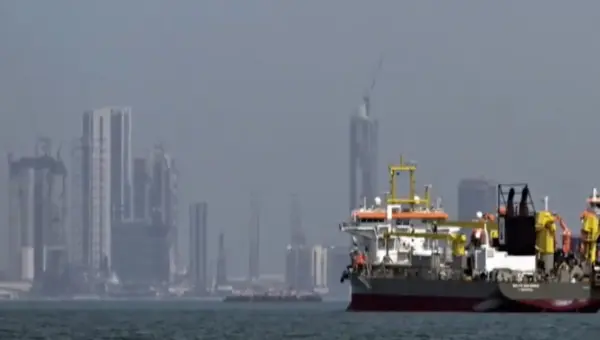
Iran Blocks China Ships, Exposing Beijing’s Weak Grip
Iran's recent decision to block Chinese ships at the Strait of Hormuz is exposing the limits of Beijing's influence in the Middle East. This action is causing delays and cancellations for Chinese manufacturers, turning a perceived geopolitical win into an economic strain.
Trump’s “Walk Away” Tactic Signals Tougher Stance on China
Retired Air Force Brigadier General David Stillwell believes President Trump's strategy of being willing to walk away from negotiations puts pressure on China. This tactic, combined with US global actions and strengthened alliances, signals a more assertive American foreign policy.