Trump’s War Admissions: A Nation on Perilous Ground
Donald Trump's candid remarks aboard Air Force One reveal a concerning approach to war, marked by dismissiveness towards civilian casualties and a seemingly open-ended commitment to conflict. His admissions raise profound questions about the direction of U.S. foreign policy and its global implications.

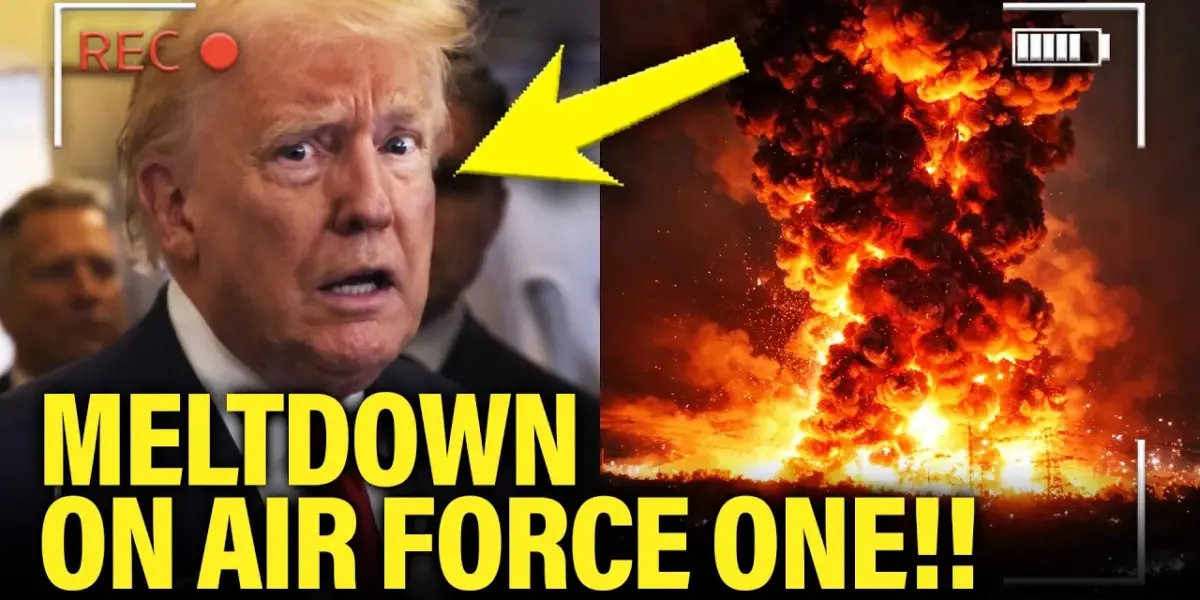
Trump’s War Admissions: A Nation on Perilous Ground
In a series of remarks aboard Air Force One, Donald Trump made statements regarding the ongoing conflict in the Middle East that have been described as “historically incriminating, devastating, and atrocious.” These comments, made during a somber journey from Dover Air Force Base following the dignified transfer of fallen soldiers, have ignited a firestorm of debate and concern about the trajectory of American foreign policy and the human cost of war.
A Disrespectful Display and Denials of Civilian Casualties
The tone of Trump’s pronouncements was set early, with his appearance at the dignified transfer ceremony noted for his refusal to remove his campaign hat. This gesture was widely interpreted as a sign of disrespect during a moment of profound national mourning. Later, aboard Air Force One, when pressed by reporters about allegations that the United States had bombed an elementary school in Manbij, Iran, killing 175 people, Trump’s response was evasive and dismissive. He deflected responsibility, suggesting Iran was responsible and that the U.S. “would never do that.” This assertion stands in stark contrast to intelligence reports suggesting U.S. involvement in the strike, which reportedly resulted in a high number of civilian casualties, predominantly children.
“We think it was done by Iran… We think it was done by Iran.”
Trump’s insistence that “the only side that targets civilians is Iran” has been challenged by the alleged events in Manbij, raising serious questions about accountability and the truthfulness of official statements during times of conflict.
“Cry Uncle”: A Glimpse into Trump’s War Aims
When asked to define “unconditional surrender” from Iran, Trump’s response was notably colloquial and seemingly flippant: “they must cry uncle.” This phrase, often associated with childhood games, was elaborated upon to mean a state where Iran is militarily rendered useless, with “nobody around to cry uncle.” This framing suggests a desire for total capitulation rather than a negotiated resolution, raising concerns about the potential for prolonged and devastating conflict.
“It’s where they cry uncle. Or when they can’t fight any longer and there’s nobody around to cry uncle. That could happen too…”
Further underscoring a potentially expansive view of military action, Trump indicated that the U.S. “could do whatever we want” in response to alleged Iranian actions, such as bombing desalination plants or committing atrocities. This stance implies a broad interpretation of permissible targets, potentially including civilian infrastructure, under the justification of retaliation for perceived Iranian transgressions.
A War Without End? The Shifting Landscape of Conflict
Trump’s acknowledgment that the map of Iran “probably not” would look the same after the conflict suggests a potential for territorial changes or dismemberment of the nation. This raises alarms about the long-term consequences and the potential for destabilization in the region. His assertion that the U.S. is “winning” the war, despite reports of ongoing Iranian strikes and disruptions to global energy markets, has been met with skepticism. The closure of key shipping lanes and the impact on oil and natural gas production in neighboring countries paint a picture of escalating regional instability, rather than decisive victory.
Geopolitical Alliances and Betrayals
The transcript also touches upon the complex web of international relations, including allegations of Russian support for Iran in targeting U.S. troops. Trump’s response to this, suggesting a tit-for-tat dynamic where the U.S. also engages in similar actions, has been criticized as a weak stance against potential foreign interference in American military operations. Furthermore, the discussion around the potential involvement of Kurdish forces in Iran highlights historical patterns of betrayal, with Trump ruling out their participation due to the complexity of the situation, a decision that echoes past instances where Kurdish allies felt abandoned.
Economic Ramifications and Strategic Reserves
Concerns about rising gas prices were met with a dismissive “Nah” from Trump, who then pivoted to blaming the Biden administration for depleting the Strategic Petroleum Reserve (SPR). His pledge to replenish the SPR at an “appropriate time” and based on “gut instinct” suggests a reactive rather than proactive approach to energy security. This contrasts with the opportunity to fill reserves when oil prices were historically low, a move that could have provided greater economic stability during the current conflict.
Interference in Iranian Politics and a Desire for Resolution
Perhaps one of the most controversial admissions is Trump’s stated desire to be involved in the selection of Iran’s next leader. This proposed interference in the internal affairs of another nation, coupled with his dismissive attitude towards a resolution, suggesting that “we’re not looking to settle,” indicates a potential for prolonged conflict driven by a desire for regime change or capitulation rather than diplomatic resolution.
“We’re not looking to settle. They’d like to settle. We’re not looking to settle.”
The repeated use of the word “war” by Trump, despite attempts by some to frame the military action as a “special operation,” underscores the gravity of the situation. The underlying motivations for this conflict, whether tied to the security of Israel or other geopolitical objectives, remain a subject of intense scrutiny.
Why This Matters
The statements made by Donald Trump aboard Air Force One offer a stark and concerning insight into the mindset guiding American foreign policy during a critical period of international tension. The dismissive attitude towards civilian casualties, the seemingly arbitrary definition of war aims, and the willingness to engage in actions that could destabilize an already volatile region have significant implications.
Implications, Trends, and Future Outlook
Trump’s rhetoric suggests a potential shift towards a more unilateral and aggressive foreign policy, one that prioritizes decisive military action over diplomatic engagement. The disregard for international norms and the potential for escalating conflict could lead to increased global instability, further straining international relations and potentially drawing other nations into the conflict. The economic repercussions, including volatile energy prices and inflation, are likely to be felt globally. The trend towards such assertive, and at times unpredictable, foreign policy decisions raises questions about the long-term stability of the international order and the role of the United States within it.
Historical Context and Background
The current situation echoes historical patterns of interventionism and the complex geopolitical landscape of the Middle East. The region has long been a flashpoint for conflict, influenced by a myriad of factors including resource competition, ideological divides, and the interests of global powers. Understanding the historical context of U.S. involvement in the region, including previous interventions and the long-standing tensions with Iran, is crucial to grasping the potential consequences of current actions. The legacy of past conflicts and the unintended consequences of military interventions serve as a cautionary tale for present-day decision-making.
Source: Trump makes DEADLY ADMISSIONS on WAR and LOSES CONTROL!!! (YouTube)

Related Articles

Oil Shock Fuels Recession Fears, Fed Faces Dilemma
Escalating geopolitical tensions and a confluence of concerning economic data are fueling widespread recession fears. Surging oil prices and the Federal Reserve's difficult balancing act between inflation and employment are creating significant market uncertainty. Investors are reassessing safe-haven assets and the importance of self-custody amidst the turmoil.
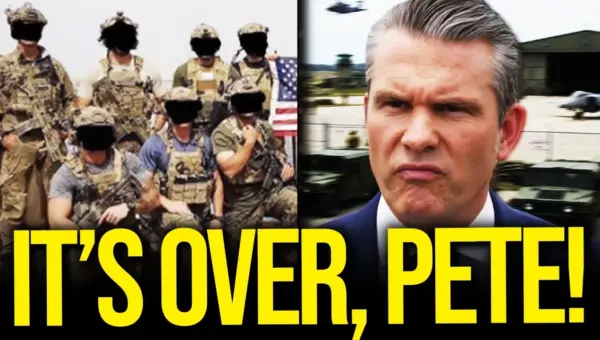
Pentagon’s Holy War Rhetoric Alarms Service Members
Reports of U.S. military commanders invoking religious prophecy and divine plans to justify the conflict in Iran have raised alarm bells. With top officials like Secretary of Defense Pete Hegseth encouraging troops to 'lean into their faith,' concerns are mounting over the separation of church and state within the armed forces and the potential for religiously motivated warfare.


Iran: The Geopolitical Lever in the US-China Tech Race
Geopolitical insights reveal Iran's pivotal role in the US-China tech race, acting as a lever that challenges China's influence. A historical memo outlining targeted countries underscores the strategic depth of this competition.