Trump’s “Walk Away” Tactic Signals Tougher Stance on China
Retired Air Force Brigadier General David Stillwell believes President Trump's strategy of being willing to walk away from negotiations puts pressure on China. This tactic, combined with US global actions and strengthened alliances, signals a more assertive American foreign policy.

Trump’s “Walk Away” Tactic Signals Tougher Stance on China
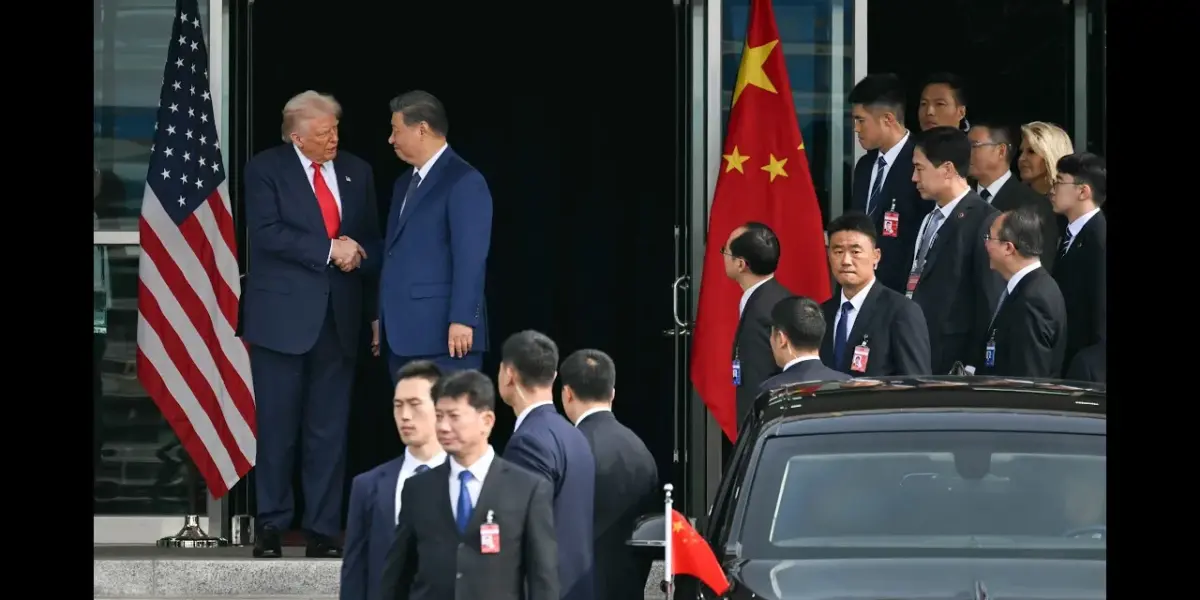
President Trump’s approach to dealing with China, particularly his willingness to walk away from negotiations, could be a strategic move to pressure Beijing. Retired Air Force Brigadier General David Stillwell, who has experience as a defense attaché in China and as an assistant secretary of state, believes this tactic is smart. He explained that in any negotiation with China, you must be prepared to leave the table if you don’t get what you want. This strategy shows you are serious about your demands and are waiting for a better deal. It’s a way to say, “We don’t like this agreement, and we’ll wait for something better.”
The Impact of US Actions on Beijing
The current global situation, including US actions in the Middle East, seems to be causing concern in Beijing. Stillwell suggests that the strong language used by President Trump towards Iran, encouraging its people to remove their leaders, is being heard loud and clear in China. This message could be making the Chinese Communist Party very nervous.
If conflicts, like the one in Iran, are resolved quickly, it could strengthen President Trump’s position in future talks. Stillwell notes that people sometimes misunderstand Trump’s style. He often uses flattery, like calling President Xi Jinping a “great president,” not because he truly admires such leaders, but as a way to disarm them. This tactic makes it harder for adversaries to oppose him. Stillwell advises looking at the president’s actions, not just his words, to understand his strategy. He points out that this approach hasn’t stopped Trump from imposing tariffs or pursuing policies that benefit the US.
After saying “no” once and walking away from a deal, Stillwell believes the US has gained more negotiating power heading into future talks with China in May. This is because the administration has shown it’s not afraid to walk away from a bad deal.
China’s Involvement and US Openness
There have been reports of an IED found at MacDill Air Force Base in Florida, which is a key hub for US operations in the Middle East. The FBI has identified individuals in China as responsible, linking the plot to the situation with Iran. This raises questions about China’s interests in the region. Stillwell explains that China engages in what’s called “United Front Work Department” activities. This involves influence operations that reach into American colleges and government.
He describes the US as an open society that is deeply penetrated by these efforts. China uses various methods, including sabotage and influencing public opinion, through people placed across the country. As China feels pressure from US and Israeli actions in Iran, Stillwell predicts we will see more such incidents. These actions are likely a message to Beijing.
Showing Strength and Building Alliances
Before recent strikes in Iran, some Chinese media suggested the US lacked the resolve to act. However, the US demonstrated its willingness to take action. Stillwell argues that showing strength and acting decisively, rather than hesitating, sends a clear message. He emphasizes that in the Iran situation, the US is working with Israel, and in the Pacific, the US is cooperating with allies like Japan. This cooperation is important.
When allies stand together, like the US and Japan, Beijing must think twice about any aggressive moves, such as invading Taiwan. The strong reaction from China’s Communist Party when Japan’s new prime minister spoke firmly about regional stability and the impact of attacks on Taiwan shows this. Stillwell believes this shows that aggressive diplomacy, like “wolf warrior diplomacy,” is failing. Alliances with countries like Japan and the Philippines, who support the US, are not going unnoticed in Beijing.
Geopolitical Shifts and a Resolute America
Many analysts in Beijing were surprised by US actions, such as the elimination of a former Iranian regime leader. They saw it as a significant geopolitical move. Stillwell believes this signals that “America is back.” The US is now focusing on its own security and interests, from its hemisphere to reconsidering deals with Chinese companies. He supports dialogue but stresses that when talks fail, action is necessary. The world is seeing an administration that is willing to act decisively.
Why This Matters
General Stillwell’s analysis suggests a significant shift in US foreign policy. The willingness to walk away from unfavorable deals, combined with a more assertive stance on the global stage, could reshape international relations. China’s potential unease with this approach and the increasing focus on alliances highlight a complex geopolitical environment. This dynamic could influence trade negotiations, regional stability, and the balance of power for years to come.
The historical context shows that periods of perceived American withdrawal have often been met with increased assertiveness from rivals. Trump’s “walk away” strategy, if consistently applied, could force a reassessment of long-standing diplomatic and economic relationships. The emphasis on alliances also suggests a return to more traditional foreign policy tools, albeit used with a new sense of urgency.
The future outlook indicates a continued period of strategic competition. China’s response to US pressure, the effectiveness of alliances, and the potential for miscalculation will be key factors. The administration’s actions, rather than its rhetoric, will ultimately define its success in achieving its foreign policy goals.
Source: Trump’s Walk Away Strategy Puts Pressure on Beijing: Retired Air Force General (YouTube)

Related Articles

China Fights Back: Tariffs Loom Ahead of Trump Visit
China is retaliating against US trade investigations that could lead to higher tariffs. This escalating trade tension occurs just before a planned visit by President Trump. The dispute involves accusations of unfair practices and impacts global supply chains.


Israelis Forge Resilience Amidst Constant Bomb Shelter Drills
Life in Israel is a blend of resilience and constant vigilance, with many families adapting to frequent bomb shelter drills and even sleeping in makeshift shelters. Despite ongoing missile attacks, Israelis strive to maintain normalcy, though businesses face disruption and emotional fatigue is a growing concern.

Israel Escalates Iran Strikes, Warns of Wider War
Israel has launched significant strikes inside Iran following continued missile fire, warning of further escalation. The conflict risks wider regional instability and economic disruption, especially concerning the Strait of Hormuz.