Trump’s Voting Order Faces Swift Legal Attack
A new executive order by Donald Trump restricting mail-in voting faces a swift legal challenge from lawyer Mark Elias. The lawsuit argues the order is unconstitutional and aims to prevent its implementation before it can disenfranchise voters.

Trump’s Voting Order Faces Swift Legal Attack
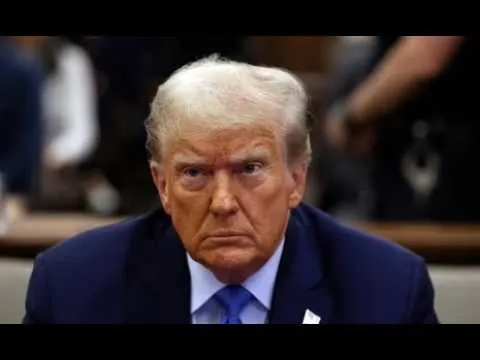
A recent executive order by former President Donald Trump aimed at restricting mail-in voting has quickly drawn a strong legal challenge. Mark Elias, a lawyer representing several Democratic organizations, announced a lawsuit filed within 24 hours of the order’s release. Elias stated his intention to fight the order aggressively and secure a quick ruling, emphasizing the need to prevent such actions from taking root.
The Executive Order’s Scope
The executive order, described as “breathtaking” by Elias, proposes that the Trump administration would create a list of eligible voters. This list would then be shared with states, which would be restricted to sending mail-in ballots only to individuals on that list. Furthermore, the order suggests the Postal Service would refuse to deliver mail-in ballots from states that do not comply with these restrictions, even if the ballots are sent to people not on the administration’s list.
Elias highlighted that Commerce Secretary Howard Lutnick, who was present at the order’s announcement, claimed the order would be implemented through the Postal Service. However, Elias pointed out that Lutnick does not control the Postal Service’s independent board of governors, suggesting a misunderstanding or overreach of authority.
Legal Basis for the Lawsuit
The lawsuit’s basis lies in the claim that the executive order is illegal and unconstitutional. Elias mentioned that a federal judge previously ruled that the president has “no role” in regulating federal elections. This case has been assigned back to the same judge who previously ruled against a similar Trump executive order on voting regulations last April. Elias expressed confidence in winning this case quickly, aiming to make an example of the action’s perceived shamelessness and danger.
Historical Context and Similar Efforts
Elias drew parallels between the current executive order and past efforts to restrict voting access, such as the SAVE Act. He explained that the SAVE Act, while presented as a voter ID law, had provisions targeting mail-in voting and making voter registration more difficult. These efforts included proof-of-citizenship laws that could disproportionately affect certain groups, such as married women who have changed their last names.
He also noted that the SAVE Act aimed to ban mail-in voting entirely, with exceptions only for specific groups like the military or those who are ill, effectively eliminating “no-excuse absentee voting.” Elias sees the current executive order as a continuation of these efforts, specifically targeting mail-in voting and creating a federal list of eligible voters, which could extend to in-person and early voting.
Concerns About State Adoption
A significant concern raised during the discussion was the possibility of Republican states adopting changes based on Trump’s executive order before a judge could rule on its legality. Elias and his team are actively monitoring for any such actions. If states begin to implement the order’s provisions, Elias stated his law firm would file lawsuits against them as well.
However, it appears that states have been hesitant to adopt the executive order’s directives. Elias suggested this hesitation might stem from Republicans’ general opposition to federal overreach in election administration and their awareness of his reputation for swift legal action. He contrasted this with how Republicans reacted to a more benign executive order from the Biden White House concerning voter registration at VA facilities, which they sued over.
Why This Matters
This legal challenge is crucial because it addresses fundamental questions about the executive branch’s power over elections and the right to vote. The swift and aggressive legal response aims to prevent potential disenfranchisement and uphold democratic processes. The outcome could set a precedent for future attempts to influence voting procedures through executive action.
Implications and Future Outlook
Elias stressed that this lawsuit is just the beginning of a larger fight. With the election months away, he anticipates further attempts by Trump to manipulate the electoral process, potentially through disinformation campaigns, targeting of opponents, and efforts to silence independent media. Those who challenge these actions, particularly in the courts, may also face increased scrutiny or opposition.
The discussion also touched upon the strategy behind voter ID laws, suggesting that sometimes they are used as a “marketing gimmick” to mask underlying voter suppression efforts. The SAVE Act’s components, including proof-of-citizenship requirements and challenges to mail-in voting, are seen as repetitive tactics to achieve the same goal: making it harder for certain people to vote.
Conclusion
The legal battle against Trump’s executive order on mail-in voting is a significant event in the ongoing debate over election integrity and access. Elias and his team are committed to fighting these measures in court, in Congress, and in the court of public opinion. The urgency of the situation is underscored by the proximity to the election, making swift legal action and public awareness essential.
Source: FINALLY: Trump gets what he DESERVES in court (YouTube)

Related Articles


Stacey Abrams Fights Child Detention, Voter Suppression Tactics
Stacey Abrams has launched the 'Read Them Home' campaign to shed light on the conditions faced by children in ICE detention facilities. The initiative also addresses concerns about voter suppression tactics potentially impacting upcoming elections.

GOP Targets Democracy: Lawsuits Flood Ahead of Midterms
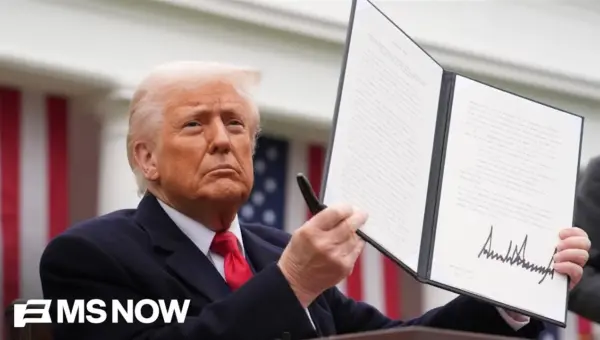
Republicans are launching a widespread legal and political offensive targeting voting rights ahead of the midterms, sparking accusations of a 'full-out assault on democracy.' Experts warn these efforts, including challenges to census data and new voting restrictions, aim to disenfranchise voters and may impact all citizens.
Trump’s Election Order Faces Swift Legal Challenge
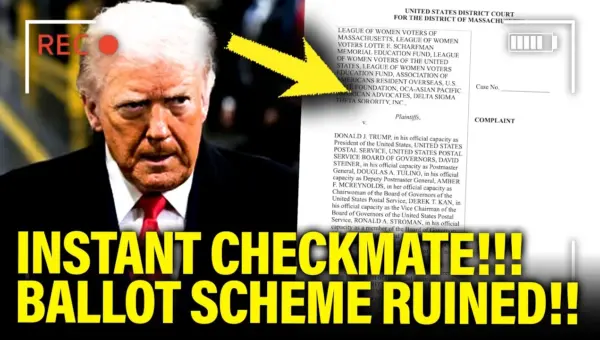
A new lawsuit challenges President Trump's executive order on mail-in ballots, arguing it oversteps presidential authority and violates the Constitution. Voting rights groups filed the suit, citing concerns about federal control over elections and potential impacts on ballot delivery. This action follows historical legal challenges to similar executive orders and highlights ongoing debates about election administration.