Trump’s Violent Video Sparks Outrage, Divides Nation
Former President Donald Trump's decision to post a graphic video of a violent death has sparked intense debate. Critics condemn the act as a distraction and a sign of moral decline, while the incident highlights deep divisions over immigration and political discourse.


Trump’s Violent Video Sparks Outrage, Divides Nation
The political arena is no stranger to heated rhetoric, but a recent event involving former President Donald Trump has ignited a firestorm. Trump posted a graphic video depicting a violent death, sparking widespread condemnation and debate. This act has brought to the forefront serious questions about political discourse, public safety, and the very nature of leadership.
A Disturbing Digital Display
The video in question, reportedly showing a woman being beaten to death with a hammer, was shared by Donald Trump without a warning or censorship. Critics argue this is a deeply disturbing act, especially coming from a former president. They suggest it serves as a distraction from pressing national and international issues. These include perceived losses in foreign policy, economic instability, and the United States’ standing on the global stage.
The speaker in the original transcript expressed shock and called for the invocation of the 25th Amendment, suggesting Trump’s actions are a sign of instability. The video was framed as a response to geopolitical events, specifically the conflict with Iran. It was also presented as a tactic to divert attention from domestic economic troubles and what the speaker described as the US becoming a global “pariah.”
Debating the Iran Conflict and Economic Impact
A significant point of contention in the discussion was the outcome of a recent conflict with Iran. The speaker asserted that the United States had “lost the war,” pointing to the continued closure of the Strait of Hormuz and Iran’s continued prosperity. This claim was immediately challenged by a MAGA host, Ben Ferguson, who stated that shipping had resumed and that the military was achieving its objectives.
The economic implications were also heavily debated. Tariffs, often a key policy point, were highlighted as hurting small businesses and ultimately costing consumers more. The speaker noted that hundreds of thousands of small businesses have reported being negatively affected. Furthermore, the conflict with Iran was blamed for a spike in diesel prices, exacerbating economic pressures.
This economic debate extended to accusations of corruption. The speaker accused Donald Trump of profiting significantly from his position, citing billions from cryptocurrency and hundreds of millions from taxpayer dollars spent at his own resorts. This was contrasted with a call for Democrats to run on an anti-corruption platform, though the effectiveness of such a message was questioned by pointing to instances of fraud within Democratic-leaning states.
The Dehumanization of Immigrants
A central theme emerging from Trump’s post was the targeting of immigrants. The video was reportedly used to frame an individual immigrant as a violent criminal, generalizing this to an entire group. Trump’s statement, as quoted, referred to the perpetrator as an “illegal alien criminal from Haiti” and blamed the Biden administration for allowing him into the country. This language, critics argue, serves to dehumanize and stereotype all immigrants, particularly those from Haiti.
The speaker criticized this approach, stating that while the specific criminal’s actions were reprehensible, it does not justify stereotyping an entire nationality or immigrant group. This tactic, the speaker contended, has been a consistent part of Trump’s political career, aiming to cast people of color and immigrants into a criminal category. The use of terms like “animal” to describe the perpetrator further fuels this criticism of dehumanizing rhetoric.
Trump’s post also criticized “liberal district court judges” for impeding his administration’s immigration policies. He suggested that these judges were standing in the way of preventing such crimes by blocking deportations and other measures. This framing positions the judiciary as an obstacle to national security and public safety, a common theme in populist political discourse.
Historical Context and Moral Leadership
The speaker drew parallels between Trump’s current actions and his past behavior. This included referencing previous instances where Trump allegedly made disparaging remarks about individuals shortly after their deaths or made threats of violence on a larger scale, such as vowing to “wipe out an entire civilization.” These examples were used to paint a picture of a leader whose mindset is focused on “death and destruction.”
The discussion also touched upon the role of political figures as moral exemplars. The speaker questioned what kind of message a president posting such violent content sends to young people looking for guidance. The comparison was made to a time when a president might be expected to offer moral clarity, contrasting it with what is perceived as a decline in standards.
The transcript highlights a stark contrast between the approaches of different political factions. While one side focuses on perceived national security threats and border control, the other emphasizes combating corruption and maintaining a civil, less divisive public discourse. The debate over the video and its implications underscores the deep divisions within the American political landscape.
Why This Matters
The posting of violent content by a prominent political figure raises critical questions about the standards of public discourse and the potential impact on societal attitudes. It highlights the power of media, especially social media, to disseminate graphic material and influence public opinion. The normalization of such content, critics fear, can desensitize the public to violence and fuel further division and animosity.
This event also underscores the ongoing debate about immigration and national security. The use of individual criminal acts to characterize entire groups of people is a dangerous tactic that can lead to discrimination and prejudice. It forces a national conversation about how to address illegal immigration and crime while upholding human dignity and avoiding harmful stereotypes.
Trends and Future Outlook
The incident reflects a broader trend in politics where emotional appeals and sensationalism often take precedence over substantive policy discussions. The use of shocking content to gain attention and mobilize a base is a tactic that may continue to be employed by various political actors.
Looking ahead, the challenge for political leaders and citizens alike will be to foster a more constructive and respectful dialogue. This involves holding public figures accountable for their words and actions, promoting media literacy to critically evaluate content, and demanding a focus on issues that genuinely benefit society. The ability to navigate these complex issues will shape the future of political engagement and the health of democratic institutions.
Source: Trump Posts Shocking Death Video in Freak Out (YouTube)

Related Articles
Trump Faces Backlash as Allies Criticize His War Strategy
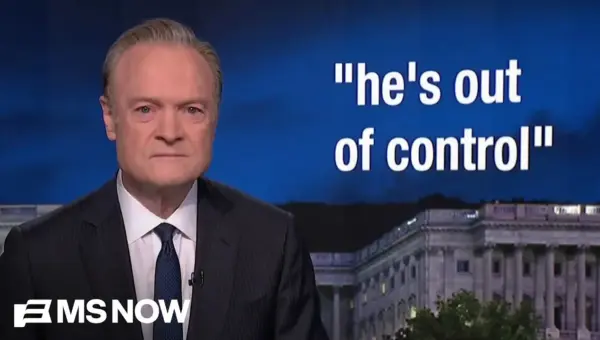
Donald Trump is facing increasing criticism from allies and political figures over his handling of a foreign conflict, with concerns mounting about his mental stability and decision-making. His wife, Melania Trump, has entered the discourse, calling for testimony from Epstein survivors, while figures like Marjorie Taylor Greene question his fitness for office. Reports also highlight issues with military preparedness and Trump's unique approach to international negotiations.
Rutte Faces Backlash: Trump Allies Criticize NATO Chief
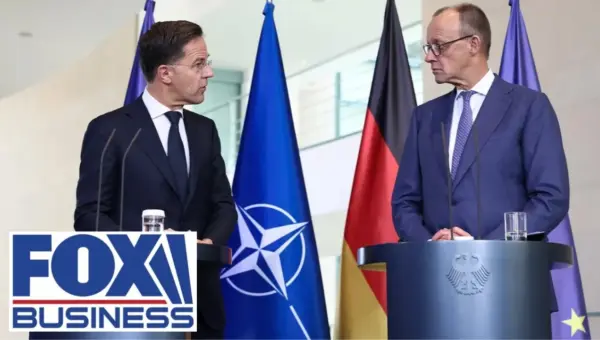
NATO Secretary General Jens Stoltenberg's remarks on global safety and Iran's nuclear program have drawn fire from Trump allies. Former State Department official Christian Whiton called Stoltenberg the "odd man out" in Europe, questioning the substance behind his supportive words for U.S. policy. The debate also raises questions about potential U.S. troop realignments within the NATO alliance.

Teachers Face Crisis Amid Shifting Education Goals
America's teachers are facing a crisis, struggling with declining student engagement and increasing politicization. Author James Patterson's new book highlights these challenges, emphasizing the need to let teachers teach and support their vital role in shaping the nation's future.