Trump’s “Victory” in Iran: A Reality Check
Donald Trump's claims of victory in the conflict with Iran are being challenged by observers who point to ongoing military deployments and significant funding requests. The disconnect between rhetoric and reality raises questions about the true outcomes of U.S. strategy.

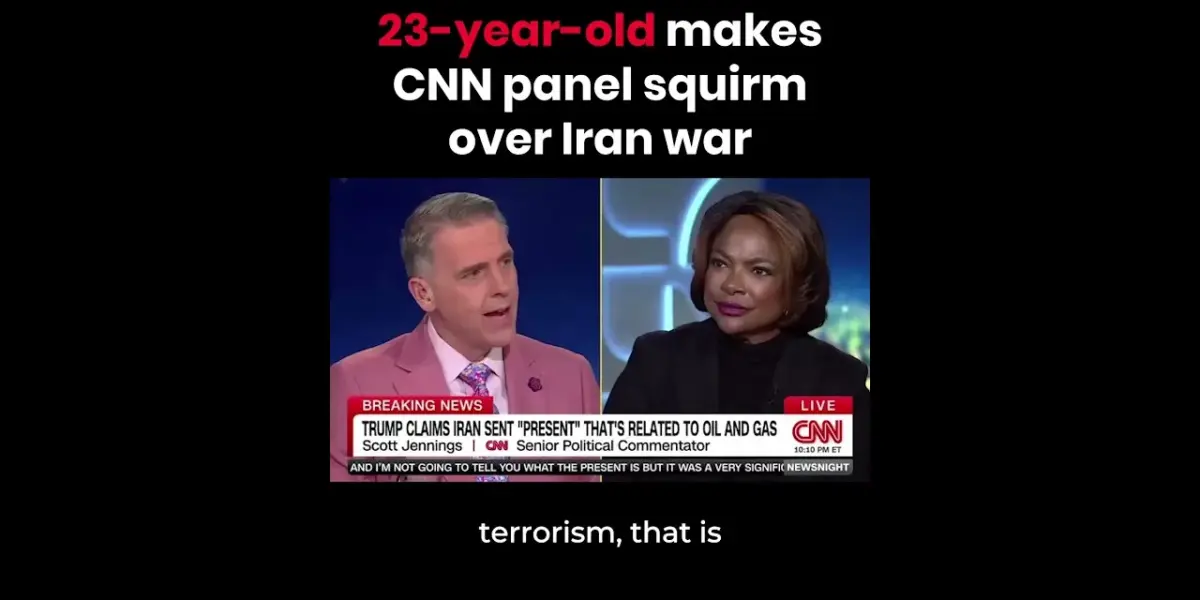
Trump’s Iran Claims Face Scrutiny Amidst Escalating Tensions
Former President Donald Trump has repeatedly claimed victory in the conflict with Iran. However, a closer look at the situation on the ground reveals a more complex and concerning reality. Many observers question whether the stated goals of U.S. involvement have truly been met, especially when contrasted with ongoing military deployments and substantial financial requests.
Defining “Victory”: A Matter of Perspective
The core of the debate lies in how one defines victory. When pressed, supporters of the administration’s actions often point to the destruction of Iran’s military and missile capabilities. They argue that if Iran can no longer threaten the region with advanced weaponry or support terrorism, then the U.S. has achieved its objectives. This perspective suggests that a win means neutralizing Iran’s offensive power and preventing it from developing nuclear weapons.
“I consider a condition of winning destroying their military capabilities, their missile capabilities.”
However, critics highlight immediate contradictions to this narrative. If Iran’s military capabilities were truly destroyed, they ask, why is the Strait of Hormuz still a point of concern? Why are U.S. troops, like the 82nd Airborne, being sent to the Middle East? These actions suggest that Iran still poses a significant threat, contradicting the idea that its military power has been neutralized.
The Disconnect Between Rhetoric and Reality
What is most striking is the apparent disconnect between Trump’s pronouncements of victory and the ongoing actions of the U.S. military. One day, the narrative is that the conflict is won. The next, there are reports of negotiations or renewed claims of success. Yet, simultaneously, thousands of troops are being mobilized to the region. The U.S. is also requesting significant funding, reportedly around $200 billion, for this ongoing military engagement.
This inconsistency raises serious questions about the actual gains made. The situation is further complicated by internal developments within Iran. The recent replacement of an older leader with his much younger, more radical son has led to internal purges and a more extreme stance. This shift suggests that the U.S. strategy may have inadvertently empowered a more aggressive regime, rather than achieving stability.
Why This Matters
The discrepancy between declared success and tangible outcomes is crucial for understanding the true cost and effectiveness of U.S. foreign policy. When leaders declare victory while military resources are still being deployed and significant funds are requested, it erodes public trust and raises concerns about strategic miscalculations. The ongoing conflict in the Middle East has far-reaching implications, not only for regional stability but also for global security and economic interests.
Historical Context
U.S. involvement in the Middle East has a long and complex history. Decades of engagement, including military interventions and diplomatic efforts, have shaped the current geopolitical landscape. Each administration has approached these challenges with different strategies, often with mixed results. Understanding these historical patterns helps to contextualize the current debate surrounding U.S. policy towards Iran and the broader region.
Implications and Future Outlook
The current situation suggests a potential for prolonged conflict and continued instability in the Middle East. If the U.S. is not achieving its stated objectives, then the considerable resources being expended may be for naught. The rise of a more radical leadership in Iran could also lead to increased regional tensions and a greater risk of escalation. Moving forward, a clear and honest assessment of the situation is needed, moving beyond political rhetoric to address the complex realities on the ground. This will be essential for developing effective strategies that promote genuine security and stability, rather than perpetuating a cycle of conflict and uncertainty.
Source: Adam Mockler Corners Scott Jennings with Simple Question (YouTube)

Related Articles

US Threatens Iran’s Infrastructure, Faces Diplomatic Backlash
U.S. President Trump has escalated rhetoric against Iran, threatening to destroy civilian infrastructure if a deal isn't reached, while Iran denies direct talks and calls proposals "unrealistic." Meanwhile, the Artemis II mission prepares for a historic lunar orbit, marking a new era of space exploration.


Hungary-Russia Collusion Alleged in Bid to Lift Sanctions
A new report alleges that Hungary's foreign minister colluded with Russia's Sergey Lavrov to lift EU sanctions on Russian oligarchs and entities. Intercepted calls, authenticated by experts, suggest Budapest acted as a Kremlin agent. The revelations surface as Hungary heads into a critical election, raising concerns about Russian interference and the country's future within the EU.
US Strikes Iran, Escalates Nuclear Fight
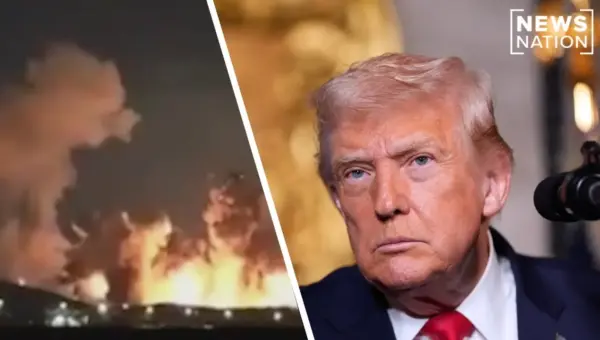
U.S. forces have reportedly struck a key Iranian city linked to its nuclear and missile programs, escalating tensions. President Trump's administration is increasing military pressure while also pursuing diplomatic talks, creating a complex geopolitical situation.