Trump’s Vicious Tweet on Mueller’s Death Shows Deep Hypocrisy
President Trump's immediate, gleeful social media reaction to Robert Mueller's death has sparked outrage. The analysis contrasts this with expected decorum, highlighting Trump's history of attacking opponents, even after their passing. It also exposes a pattern of hypocrisy and a disregard for truth within his political circle.

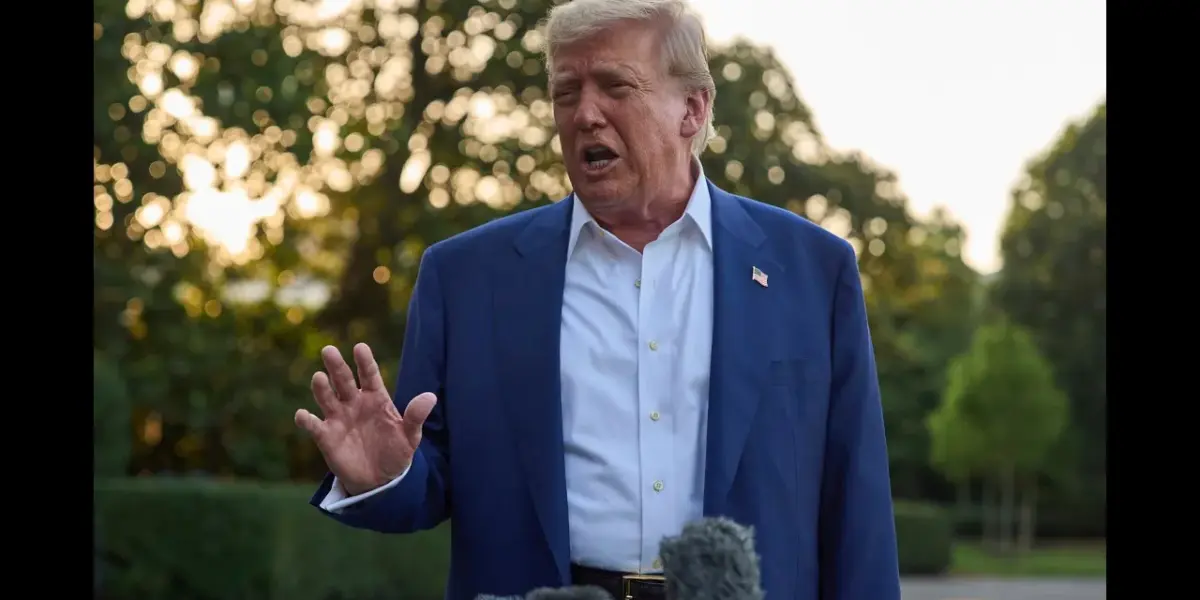
Trump’s Vicious Tweet on Mueller’s Death Shows Deep Hypocrisy
Robert Mueller, the special counsel who led the investigation into Russian interference in the 2016 election, has passed away. He was 81 years old. Almost immediately after the news broke, President Donald Trump took to social media with a shocking statement. Trump wrote, “Robert Mueller just died. Good. I’m glad he’s dead. He can no longer hurt innocent people. President Donald J. Trump.” This reaction has drawn widespread criticism, especially considering some evangelical Christians have compared Trump to Jesus Christ. The stark contrast between this comparison and Trump’s glee over a former public servant’s death is striking.
A Public Servant Investigated
Mueller was a Republican prosecutor who conducted a thorough investigation. He looked into whether the Russian government worked with Trump’s campaign during the 2016 election. Despite Mueller’s long career and public service, Trump has often attacked him, calling him a “hack.” This stands in contrast to how Trump views his own supporters. For example, Trump has praised his former Attorney General, Pam Bondi, as a legitimate prosecutor. However, Bondi has been accused of lying on Trump’s behalf regarding Mueller’s findings.
Misrepresenting the Mueller Report
During impeachment hearings, some politicians claimed Trump conspired with foreign powers. Pam Bondi, speaking at the time, argued that Robert Mueller found no evidence of foreign interference in the 2016 election. She even demanded apologies from those who supported the impeachment proceedings against Trump. However, this claim is false. The Mueller Report did find evidence of Russian interference. In fact, the investigation led to charges against 34 individuals and three companies. Key figures like Paul Manafort, Trump’s campaign chairman, pleaded guilty to conspiracy against the U.S. Others, including Michael Flynn, Trump’s national security adviser, and Michael Cohen, Trump’s personal lawyer, also pleaded guilty to charges related to their actions during the investigation.
The Truth About Indictments
Mueller’s team did not recommend indicting Trump himself. This decision was based on a legal opinion from the Office of Legal Counsel. This memo stated that a sitting president cannot be indicted. Despite this, the report detailed actions by Trump that could be considered obstruction of justice. The fact that Bondi would so boldly misrepresent the report highlights a pattern. It suggests that people around Trump often prioritize loyalty over truth. They are willing to lie if it serves Trump’s interests, even if it means ignoring facts and reality.
Not a New Low, But Consistent Behavior
Some might see Trump’s reaction to Mueller’s death as a new low. However, the video argues this is simply who Trump has always been. It points to a similar incident months prior when Trump reacted to the deaths of Rob Reiner and his wife. In that instance, Trump suggested their deaths were due to “Trump Derangement Syndrome” (TDS). He described Reiner as having a “mind crippling disease” and blamed his “raging obsession” with Trump for his demise. This pattern of attacking individuals, even after their death, shows a consistent lack of empathy.
The “Car Crash” Effect
The analysis suggests Trump is a “one-trick pony” who thrives on attacking others. He is described as a “car crash” that people can’t look away from. This is due to his ego and narcissistic tendencies. The argument is that the more people see this behavior, the less they actually like him. Despite having control of the government, his approval ratings have often been low. This is seen not as an accident, but as people learning who Trump truly is.
A Double Standard in Reactions to Death
The video then contrasts Trump’s reaction with that of Rob Reiner concerning the shooting of Charlie Kirk. Reiner expressed horror and condemned the violence, stating that it should never happen to anyone, regardless of political beliefs. He even spoke of forgiveness, mirroring the teachings of Jesus. This grace is presented as something Trump, the leader of the Republican party, seems incapable of showing. The piece criticizes the right for often holding others to strict standards while ignoring similar behavior from their own side.
The “Victim” Mentality
When Charlie Kirk was shot, the right reacted strongly. The State Department announced it would block entry for those who made light of his death. Trump vowed to monitor political speech and even revoke broadcast licenses for networks that criticized him. JD Vance called for people to report those who made “uncivil” remarks about Kirk to their employers. This intense reaction is contrasted with the left’s immediate condemnation of the violence. Many prominent Democrats, including Barack Obama and Joe Biden, offered condolences and prayed for Kirk’s family. They universally condemned political violence.
Hypocrisy on Display
The video argues that the right frequently applies different rules to themselves than they do to others. They criticize specific actions when done by Democrats but remain silent when they or their allies do the same. Examples include hypocrisy on states’ rights, fiscal responsibility, family values, and government investigations. This is framed as a tactic to always appear as the victim. The consistent theme is that principles are often abandoned in favor of political advantage and the desire to feel wronged.
Conclusion and a Call to Action
The author concludes by offering condolences to Robert Mueller’s family. They commend his long service to the country, something they believe the President of the United States is incapable of doing. The piece ends with a call to action for viewers. It highlights the potential for social media platforms to suppress critical voices under pressure from the administration. To ensure direct communication, the author encourages viewers to subscribe to the channel and sign up for a newsletter, offering both free and paid subscription options to support independent media.
Why This Matters
Trump’s reaction to Robert Mueller’s death is more than just a personal attack; it’s a symptom of a deeper political culture. It reveals a willingness to celebrate the demise of an investigator who dared to scrutinize power. This behavior challenges fundamental notions of respect for public service and the rule of law. It also exposes a concerning trend where political loyalty trumps truth and empathy. The stark contrast between Trump’s statements and the expected decorum during times of death highlights a disturbing lack of moral leadership. It forces us to question the values that are being promoted at the highest levels of government and their impact on public discourse.
Implications, Trends, and Future Outlook
This incident underscores a growing trend of political polarization where opponents are dehumanized, even in death. The normalization of such aggressive rhetoric can lead to increased division and a breakdown in civil discourse. It suggests a future where political battles become even more personal and less focused on policy. The ability of political figures to shape narratives through social media, often with outright falsehoods, poses a significant challenge to informed public debate. The reliance on partisan hacks who will lie without shame further erodes trust in institutions and facts. This environment can embolden individuals to adopt similar aggressive tactics, potentially leading to more dangerous confrontations.
Historical Context and Background
The Mueller investigation itself was a significant event in American political history. It followed years of heightened concerns about foreign interference in elections, dating back to at least the 2016 election. The investigation was tasked with uncovering the extent of Russian meddling and any potential coordination with the Trump campaign. The report, released in 2019, detailed numerous contacts between Russian individuals and Trump campaign associates. It also outlined instances of potential obstruction of justice by Trump. The subsequent impeachment proceedings and the ongoing debates surrounding the report’s findings have shaped the political landscape for years. Trump’s consistent attacks on the investigation and its findings, even after Mueller’s passing, reflect his broader strategy of discrediting any challenges to his authority or narrative.
Source: Trump issues INSANE response to Robert Mueller’s death (YouTube)

Related Articles

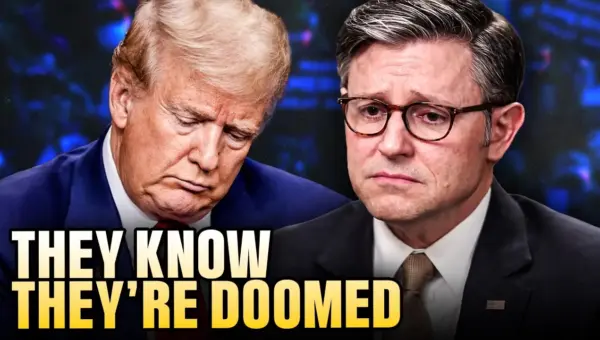
Polls Spell Doom: Republicans Face Voter Backlash
New polling data reveals a sharp decline in public confidence regarding the economic impact of Republican policies, particularly under Donald Trump. A significant majority now feel financially worse off, a trend that is especially pronounced among independent voters. This economic discontent poses a major challenge for the Republican party heading into future elections.


Trump Delays Iran Strike Deadline Amidst Shifting Diplomacy
President Donald Trump has extended his deadline for potential strikes on Iranian energy plants to April 6th, amid reports of U.S.-Iran diplomatic talks mediated by Pakistan. This move comes as Israel continues its strikes on Iran and the U.S. deploys additional military assets to the region. Analysts point to mixed signals, economic pressures, and strategic miscalculations as key factors shaping the evolving situation.
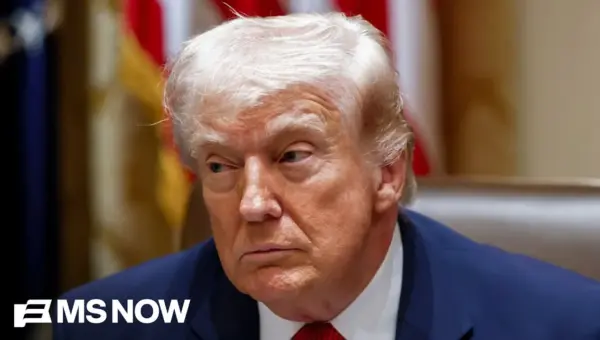
Iran War Claims Ring Hollow as US Troops Injured in New Attack
Days after Donald Trump claimed "we've won" the war with Iran, a new attack injured approximately a dozen U.S. troops and damaged aircraft. This incident contradicts Trump's assertions of victory and raises serious questions about the strategy and reality of the ongoing conflict.