Trump’s Venezuela Raid Blueprint for Iran Policy
Former President Trump's Iran policy was reportedly influenced by a "halfhearted regime change" strategy used in Venezuela. Meanwhile, Nicolás Maduro appeared in a New York court for a hearing on his legal defense fees. NATO reported significant defense spending increases, largely due to U.S. pressure.

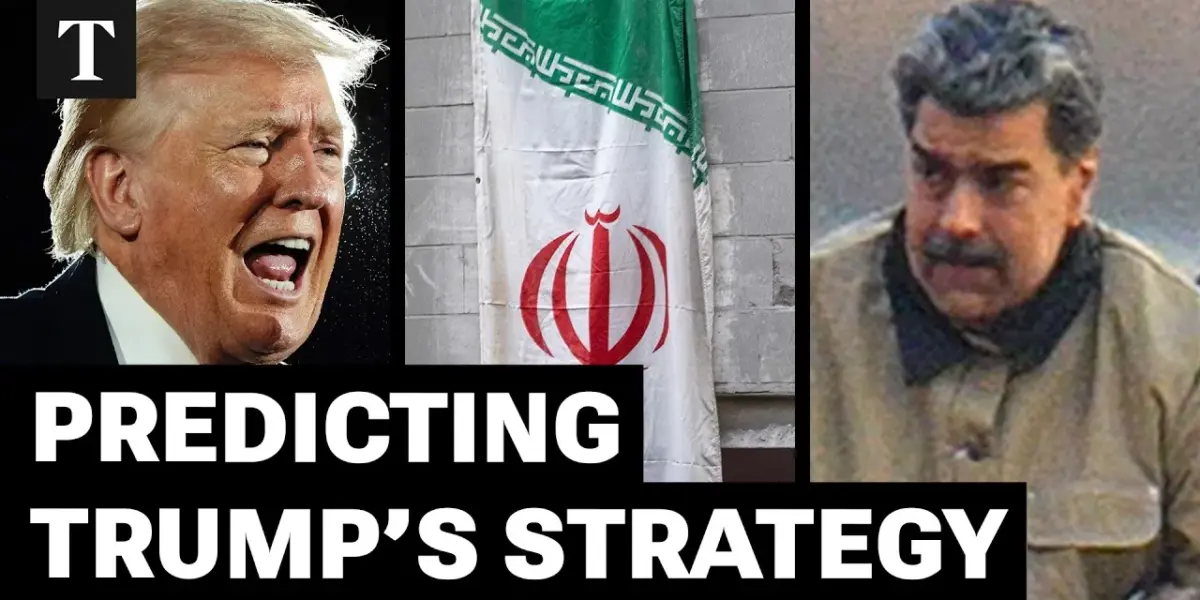
Trump’s Venezuela Strategy Influenced Iran Policy
Former President Donald Trump’s approach to Iran was reportedly shaped by the perceived success of a “halfhearted regime change” operation in Venezuela. This strategy aimed to remove Venezuelan leader Nicolás Maduro and install a more compliant figure. Sources suggest Trump hoped for a similar outcome in Iran, seeking to replace top leadership with individuals more amenable to U.S. interests. However, analysts note that Iran’s complex political landscape differs significantly from Venezuela, making such a strategy less likely to succeed.
Maduro Appears in New York Court
Nicolás Maduro, the former leader of Venezuela, recently made his first court appearance in New York since his capture in January. Maduro and his wife, Cilia Flores, face charges related to drug trafficking conspiracy. They appeared in prison attire and used translation services, as their English proficiency is believed to be limited. A procedural hearing focused on a critical issue: the payment of Maduro’s legal defense. His lawyers argue that the case should be dismissed unless the U.S. government allows Maduro access to frozen Venezuelan funds to cover legal fees. These sanctions, imposed after his capture, have blocked such access, complicating his defense.
Maduro’s Health and Family
Inside the courtroom, both Maduro and Flores appeared alert and in seemingly good health, despite their circumstances. They were observed taking notes during the proceedings. Maduro’s son, Nicolás Maduro Guerra, who is also facing charges in the U.S. but remains in Venezuela, stated his father is in good form, exercising regularly, and remains optimistic about the future. This contrasts with the political turmoil left behind in Venezuela.
New Leadership in Venezuela
Following Maduro’s capture, Delcy Rodríguez has taken the lead in Venezuela. President Trump has expressed satisfaction with the relationship with Rodríguez’s administration. Notably, the U.S. embassy in Caracas, closed since 2019 after a disputed election, has reopened. Discussions are also underway regarding oil, a central element in the U.S.-Venezuela relationship.
NATO Defense Spending Sees Major Boost
In separate developments, NATO Secretary General Jens Stoltenberg reported a significant increase in defense spending among alliance members. European nations and Canada have collectively raised their defense budgets by 20% this year alone. Stoltenberg credited the Trump administration for this surge, stating that NATO would not have met its defense spending goals, particularly the commitment to spend 2% of GDP, without U.S. pressure. He highlighted that major economies like Spain, Italy, and Canada were far from the 2% target before increased U.S. engagement.
“Without the present administration in the United States and the present president, I don’t think we would ever have reached this commitment to spend 5% of our GDP on defense,” Stoltenberg stated, emphasizing the financial contributions spurred by U.S. influence.
U.S. Focus on Iran’s Nuclear Program
Stoltenberg also acknowledged the U.S. role in degrading Iran’s nuclear and missile capabilities. NATO has long considered Iran’s possession of nuclear weapons and its missile program a threat to allies. The alliance supports U.S. efforts to counter these capabilities. This stance comes as President Trump has expressed disappointment with NATO’s perceived lack of involvement in the conflict with Iran, calling the alliance a “paper tiger” in the past.
Differing Views on NATO Strategy
Victor Jack, a Politico NATO reporter, discussed the strategic differences within the alliance. While Stoltenberg presented a positive view of U.S. leadership and increased defense spending, some European capitals, including Germany, view the U.S. approach to the Iran conflict as overstepping international law. However, many within NATO have granted Stoltenberg leeway, understanding his primary role is to maintain alliance cohesion under Trump’s presidency. His efforts, alongside the UK, to secure commitments from over 30 countries to help reopen the Strait of Hormuz aim to preempt criticism from Trump and prevent potential U.S. withdrawal from the alliance.
Looking Ahead
The coming months will be crucial in observing how the legal proceedings against Nicolás Maduro unfold, particularly regarding his defense funding. Furthermore, the effectiveness of NATO’s coordinated efforts to address regional security threats and manage relations with the United States under President Trump will be closely watched. The divergent strategies and perceptions of key global players highlight ongoing tensions and the complex diplomatic challenges ahead.
Source: Trump Used Venezuela As Blueprint For Iran (YouTube)

Related Articles
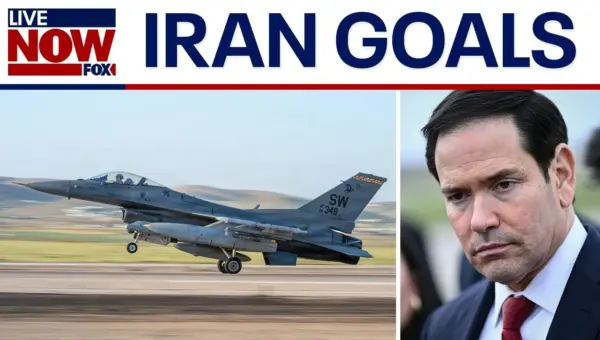
Rubio: US Can Achieve Iran War Goals Without Troops
Senator Marco Rubio outlined a strategy to counter Iran without deploying U.S. ground troops, focusing on weakening the regime and enhancing maritime security. He also criticized Cuba's economic system and expressed concerns about West Bank violence.
Israel Escalates Iran Strikes, Warns of Wider War
Israel has launched significant strikes inside Iran following continued missile fire, warning of further escalation. The conflict risks wider regional instability and economic disruption, especially concerning the Strait of Hormuz.
Trump’s Name Everywhere: A ‘Stain’ on GOP Legacy?
Former President Donald Trump's efforts to brand national symbols, including a proposed signature on dollar bills, spark debate. Critics view this as an authoritarian attempt to embed his legacy, potentially staining the Republican Party's history and contrasting with democratic ideals of public ownership.