Trump’s Venezuela Policy Fuels US Energy Boom, Burgum Claims
Interior Secretary Doug Burgum claims President Trump's policies are boosting US energy production and reviving Venezuela's oil output. Opposition leader Maria Karina Machado calls for transparency and security in Venezuela's oil sector to prevent corruption.

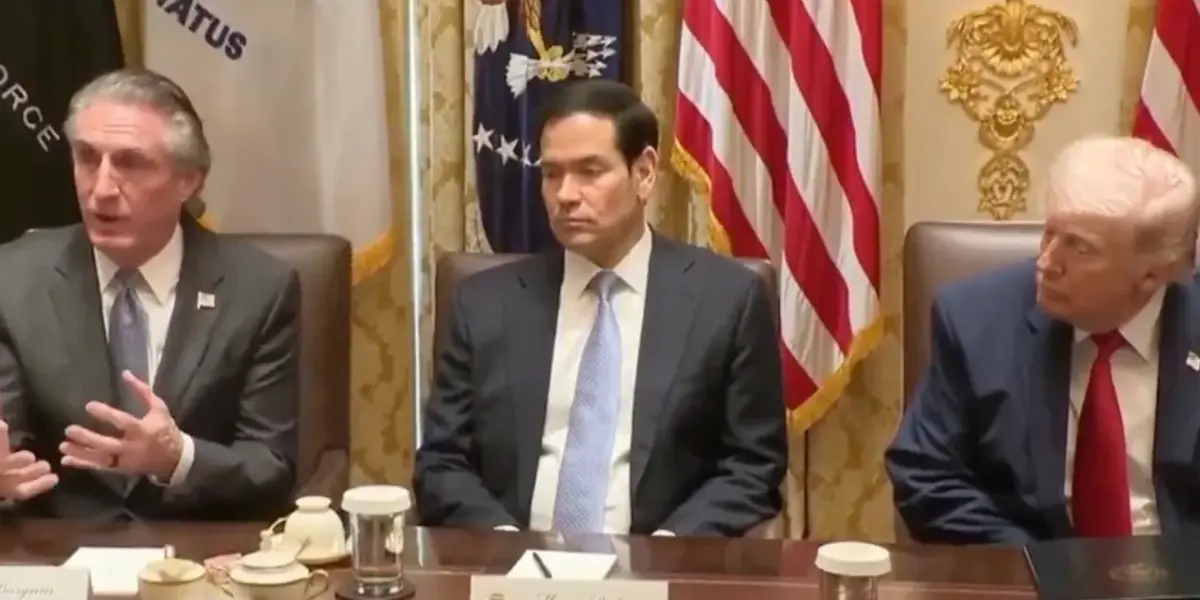
Trump’s Venezuela Policy Fuels US Energy Boom, Burgum Claims
The global race for energy is heating up, and according to Interior Secretary Doug Burgum, President Trump’s policies are playing a significant role. Burgum recently stated that these policies are directly leading to increased American energy production, with oil flowing through ships and pipelines.
Burgum highlighted a remarkable development in Venezuela: energy production there is on the rise. He described a historic moment when the free press was allowed into areas of Venezuela that had been off-limits for two decades. This opening, he suggested, was an emotional experience for many Venezuelans who had long been denied access to such spaces.
Beyond the symbolic opening, Burgum emphasized that the increase in production is a tangible outcome. American companies, which had previously left Venezuela, are now returning. These companies often bring back teams that include many Venezuelan workers, creating jobs and fostering local expertise.
A Call for Transparency
However, the situation in Venezuela’s oil sector is not without its complexities. Maria Karina Machado, a prominent Venezuelan opposition leader, has voiced concerns. She is calling for greater openness and stronger contract security within the country’s oil industry.
Machado believes that American oversight of oil revenues is crucial. Her main goal is to prevent corruption and ensure that funds are used properly. This suggests a need for vigilance even as production increases.
Historical Context of Venezuela’s Oil
Venezuela has long been known for its vast oil reserves, once making it one of the wealthiest nations in South America. For many years, its economy was heavily dependent on oil exports, managed primarily by the state-owned company, Petróleos de Venezuela, S.A. (PDVSA).
However, mismanagement, corruption, and political instability have led to a dramatic decline in production over the past two decades. This decline has had devastating effects on the Venezuelan economy and its people, causing widespread shortages and hardship. The current efforts to revive production are seen by many as a critical step towards economic recovery.
Why This Matters
The developments in Venezuela have significant implications for both the country and the global energy market. If Venezuela can successfully increase its oil output, it could help stabilize global oil prices. This, in turn, could ease energy costs for consumers worldwide.
For the United States, increased Venezuelan production, especially if facilitated by American companies, could further strengthen domestic energy independence. It also presents an opportunity for American businesses to re-engage in a market where they once had a strong presence. The involvement of American companies also brings the potential for higher standards in operational safety and environmental practices.
Implications, Trends, and Future Outlook
The trend of increasing energy production in Venezuela, if sustained, could reshape regional energy dynamics. It could reduce Venezuela’s reliance on other nations for economic support and potentially foster greater political stability.
However, the call for transparency and security by opposition leaders like Machado highlights an ongoing challenge. Ensuring that the benefits of increased oil revenue reach the Venezuelan people and are not lost to corruption will be key. The future outlook depends heavily on effective governance and international cooperation.
The role of American companies in this revival is also a significant trend. Their return could signal a shift towards more market-oriented practices and potentially attract further foreign investment. This could be a turning point for Venezuela’s struggling economy, but it requires careful management and a commitment to fair practices from all involved parties.
Ultimately, the success of these policies hinges on whether Venezuela can achieve stable production while also addressing deep-seated issues of governance and transparency. The interplay between US policy, Venezuelan internal reforms, and global energy demands will continue to shape this evolving story.
Source: Trump’s Venezuela Policy Boosting US Energy, Burgum Says (YouTube)

Related Articles

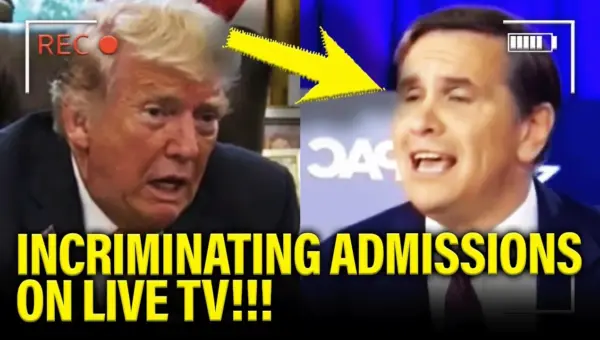
DOJ Official’s Remarks Spark Outrage Over Political Allegations
A top Trump DOJ official's speech at CPAC has sparked controversy, with claims of incriminating admissions regarding fears of prosecution and alleged political motivations. The remarks have raised serious questions about impartiality within the Department of Justice.
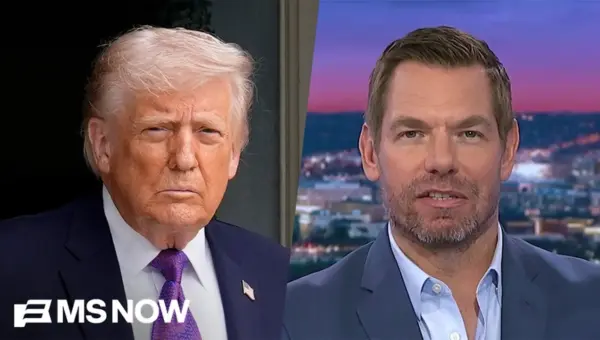
Trump’s Iran War Plans Criticized Amid Border Funding Standoff
Lawmakers and analysts are criticizing the Trump administration's handling of the Iran conflict and its approach to border funding, arguing that a lack of clear planning and a focus on political battles are making the U.S. less safe. Concerns are particularly high regarding the FBI's priorities and the potential impact of these issues on national security.

DOJ Pays Millions to Ally: Is This Legal?
A $1.2 million payout from the DOJ to Mike Flynn, a former Trump ally, has sparked outrage and questions about legality and oversight. Critics fear a pattern of "grift and corruption," while calls for accountability echo historical precedents.