Trump’s Use of Fallen Soldiers’ Image for Fundraising Sparks Outrage
A controversial Trump fundraising email featuring a photo of the former president at a dignified transfer of fallen soldiers has drawn sharp criticism. Experts and former officials decry the use of military sacrifice for political gain and raise concerns about national security risks associated with private intelligence briefings offered to donors.

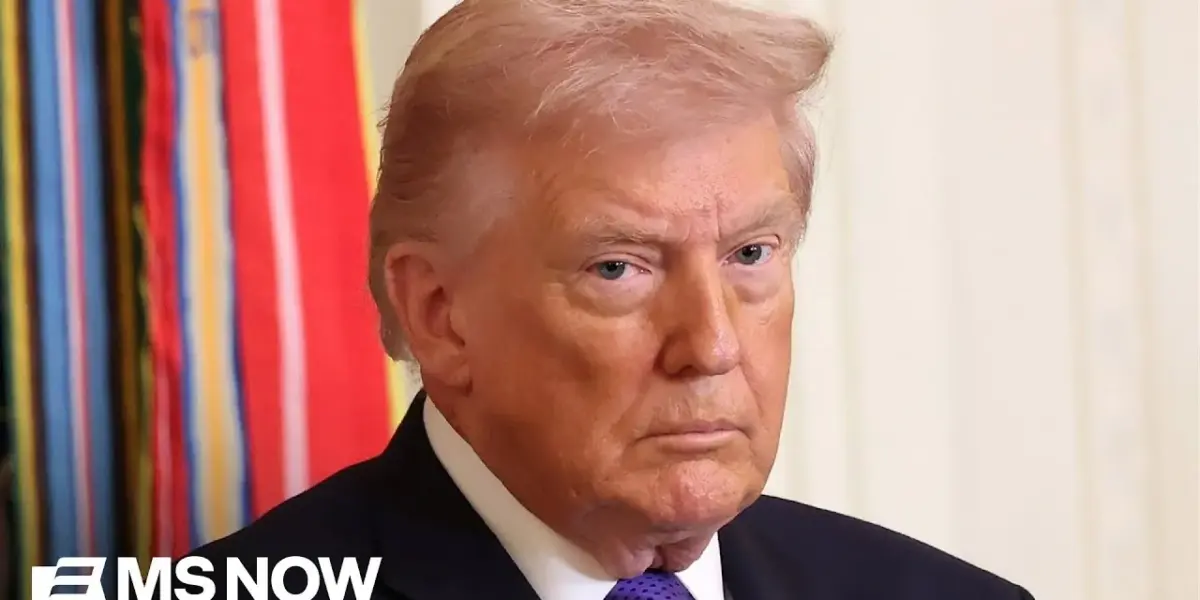
Trump Fundraising Email Sparks Outrage Over Use of Fallen Soldiers’ Image
A recent fundraising email from former President Donald Trump, featuring an image of him saluting at the dignified transfer of U.S. soldiers killed in action, has ignited a firestorm of criticism. The email, which also offers donors access to private national security briefings by Trump himself, is being decried as a potentially illegal and deeply unethical exploitation of military sacrifice for political gain.
Concerns Over International Law and War Rhetoric
The controversy surrounding the Trump campaign’s messaging extends beyond the fundraising email. Comments made by Defense Secretary Pete Hegseth, who reportedly declared that enemies of the U.S. will receive “no mercy,” have raised serious questions about potential violations of international law. Experts suggest such rhetoric not only contravenes established legal frameworks but also undermines America’s standing on the global stage.
“It’s idiotic. I don’t think the American language is expansive enough to say how vile, first of all, a fundraising email or digital ad that’s put out with him in a dignified transfer using the desks of my brothers and sisters in arms is something to raise money on.”
– Denver Riggleman, Former Virginia Representative and Air Force Intelligence Officer
Denver Riggleman, a former member of Congress and Air Force intelligence officer, expressed profound dismay. “It makes me angry on a level that’s very difficult for me to contain,” Riggleman stated, referring to the use of the dignified transfer image for fundraising. He characterized the actions of the National Command Authority, including President Trump who has no military service, and Secretary Hegseth, as lacking experience and professionalism, suggesting it makes the U.S. appear “unserious” and a “laughingstock” internationally.
Exploitation of Military Sacrifice for Political Gain
The fundraising email’s content, juxtaposing Trump’s salute with the solemn ceremony of honoring fallen soldiers, has been widely condemned. Critics argue that this tactic trivializes the ultimate sacrifice made by service members and their families, turning a sacred moment into a tool for political fundraising. The offer of private national security briefings in exchange for donations has also raised alarms, particularly concerning the potential misholding of classified information.
Shaniqua McClendon, Vice President of Political Strategy at Crooked Media and Head of Vote Save America, echoed these concerns. “There’s no reason that I should have any path that I could get the intelligence that the president or the Department of Defense has. But it seems that, if I pay a certain price, I will be able to get that intelligence,” McClendon observed. She highlighted the inherent risks, especially if such information were to fall into the hands of adversaries like the Iranian military, stating, “corruption already puts us at risk as Americans, but the fact that the corruption is tied to our actual like directly to our security and the plans that are happening in other countries, what happens if that information gets into the hands of the Iranian military? It’s just really unspeakable.”
Questions of Competence and Maturity in Leadership
The rhetoric and actions attributed to Trump and Hegseth have led to broader questions about the competence and maturity of current U.S. leadership. Riggleman drew a stark analogy, suggesting the situation reflects “a three-year-old with a loaded bazooka and a loaded diaper in charge of the United States military.” This imagery underscores a deep-seated fear that individuals lacking judgment and experience are wielding immense power, potentially jeopardizing national security and international stability.
McClendon further criticized the approach, stating, “Donald Trump and specifically Pete Hegseth, you know, he’s treating this like a video game. And I think that’s what’s going to make it harder for them to defend this to the American people.” She emphasized that most Americans do not desire aggressive foreign policy and view war as a serious matter, not a political game. The administration’s failure to seek congressional approval or broadly justify military actions to the public exacerbates public distrust.
Implications for National Security and International Relations
The potential for sensitive classified intelligence to be shared with donors, especially foreign nationals who are prohibited from donating to U.S. political campaigns, presents a significant national security risk. The transparency of U.S. military plans and strategies could severely hamper the effectiveness of operations and embolden adversaries. This situation, coupled with the provocative war rhetoric, risks alienating allies and creating a perception of unpredictability and recklessness in American foreign policy.
Looking Ahead
As the dust settles on this latest controversy, attention will likely focus on potential investigations into the handling of classified information and the ethical implications of using military sacrifice for political fundraising. The long-term impact on public trust in political leadership and the military’s role in society remains to be seen. Furthermore, the international community will be closely watching how these events shape future U.S. foreign policy decisions and alliances.
Source: New Trump fundraising email includes picture of Trump at dignified transfer of fallen U.S. soldiers (YouTube)

Related Articles
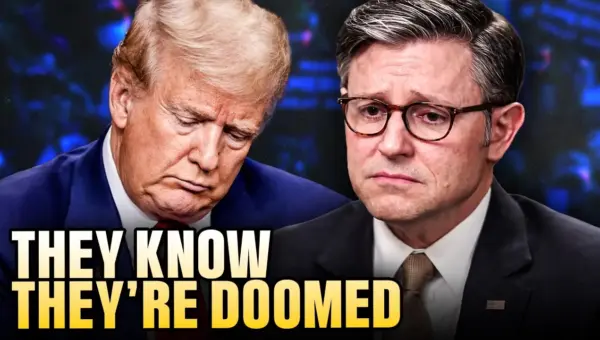
Polls Spell Doom: Republicans Face Voter Backlash
New polling data reveals a sharp decline in public confidence regarding the economic impact of Republican policies, particularly under Donald Trump. A significant majority now feel financially worse off, a trend that is especially pronounced among independent voters. This economic discontent poses a major challenge for the Republican party heading into future elections.

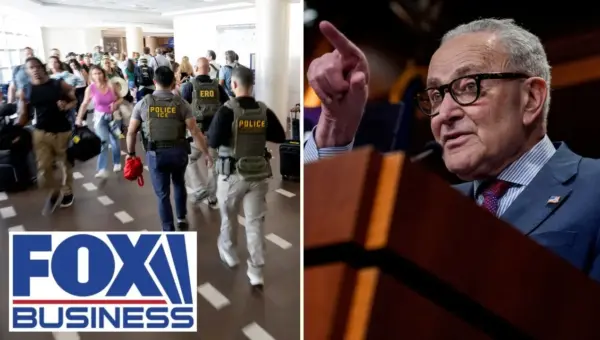
DHS Funding Crisis Sparks Chaos, Congressman Blames Poor Communication
Congressman Darrell Issa blames "failure to communicate" for the DHS funding crisis leading to unpaid TSA agents and airport chaos. The House is preparing a short-term bill as security concerns rise.

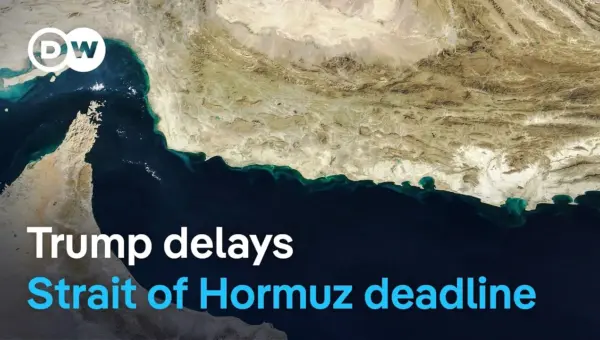
Trump Delays Iran Strike Deadline Amidst Shifting Diplomacy
President Donald Trump has extended his deadline for potential strikes on Iranian energy plants to April 6th, amid reports of U.S.-Iran diplomatic talks mediated by Pakistan. This move comes as Israel continues its strikes on Iran and the U.S. deploys additional military assets to the region. Analysts point to mixed signals, economic pressures, and strategic miscalculations as key factors shaping the evolving situation.