Trump’s Truth Social Tirade Reveals Deep-Seated Grievances
Donald Trump's recent Truth Social posts, following a legal loss, reveal a deep-seated frustration with the U.S. legal and financial systems. The extensive diatribe also raises concerns about his mental and emotional well-being, framing his public pronouncements as potential symptoms of serious impairment.

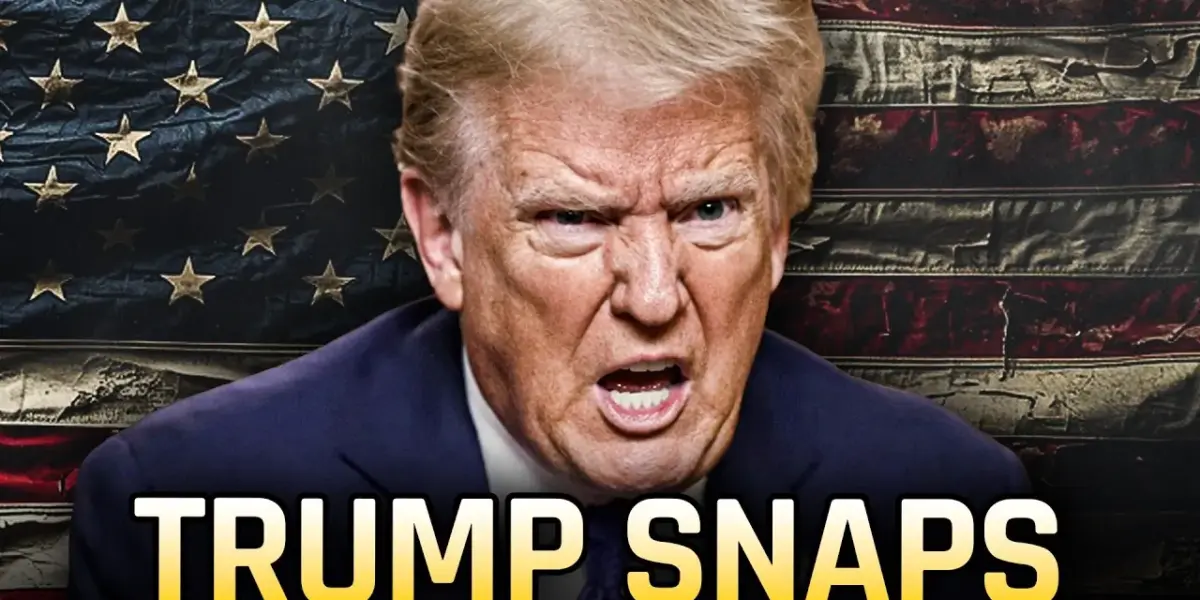
Trump’s Truth Social Tirade Reveals Deep-Seated Grievances
In the wake of a significant legal setback, former President Donald Trump took to his social media platform, Truth Social, to unleash a torrent of grievances. What emerged was less a strategic political statement and more a lengthy, impassioned diatribe, described by observers as a form of personal therapy that exposed a deep well of frustration with the American legal and financial systems.
A Cry Against Perceived Injustice
Trump’s primary complaint centered on the perceived unfairness of the courts towards Republicans, and himself in particular. He asserted that the judicial system “always seem[s] to protect those who should not be protected” and that courts are “highly politicized,” with “cases don’t matter, the judge does.” This sentiment was immediately met with a pointed counter-argument, highlighting the irony given recent judicial decisions. For instance, Judge Eileen Cannon, presiding over the documents case, has made rulings that have, in fact, dismissed aspects of the prosecution’s claims and placed restrictions on the public dissemination of certain information from Special Counsel Jack Smith’s investigation. The assertion that cases don’t matter, but the judge does, appears to be a reflection of Trump’s frustration when judicial outcomes do not align with his expectations, rather than an objective assessment of judicial impartiality.
Furthermore, the claim of unfair treatment towards Republicans overlooks a significant reality: the majority of federal judges in the United States were appointed by Republican administrations. Institutions dedicated to promoting conservative judicial appointments have long been a staple of the Republican Party’s strategy. Trump’s frustration, therefore, seems to stem not from a lack of Republican influence within the judiciary, but from the fact that the courts, despite this influence, are not consistently yielding outcomes favorable to him or his allies. The core of his grievance appears to be that the courts are not allowing him to operate entirely without constraint.
Targeting the Federal Reserve and Its Leadership
The former President also turned his attention to Federal Reserve Chairman Jerome Powell, whom he derisively nicknamed “Jerome Too late Powell.” Trump questioned why Powell was not being investigated for his performance. The response to this query points out a fundamental misunderstanding of the investigative and prosecutorial processes. Launching a full-scale federal criminal investigation requires legal grounds, such as probable cause or reasonable suspicion, not merely dissatisfaction with an individual’s job performance. The commentary suggests that such demands represent an “abuse of power,” implying that Trump’s desire to investigate Powell stems from personal animosity rather than legitimate legal justification.
Trump also raised concerns about the Federal Reserve complex’s renovation budget, stating it was “billions of dollars over budget and years behind schedule.” While the project has indeed faced delays and cost overruns, the figure cited by Trump appears to be an exaggeration. The actual overage is reportedly closer to $600 million, a substantial sum, but significantly less than billions. The explanation for these increased costs points to a roughly 30% rise in material costs over the past year, a factor attributed to broader economic conditions. Additionally, the project has encountered environmental and compliance issues, further contributing to delays and expenses. The commentary suggests that the financial aspect of these overruns, at least in part, can be traced back to broader economic factors that are not solely the responsibility of the Federal Reserve or its chairman.
A Pattern of Behavior and Concerns for Well-being
The sheer volume and nature of Trump’s Truth Social posts have led to significant concern. The extended, stream-of-consciousness writing, particularly when occurring late at night or in the early morning, has been characterized as “word salad” and “not normal behavior.” Observers, including some mental health professionals, have raised questions about his cognitive and emotional state, suggesting that such outbursts are indicative of serious underlying health issues, potentially including neurological or psychological impairments. The commentary explicitly states a belief that Trump is suffering from “severe neurological impairments along with very severe psychological impairments.” This perspective frames his public pronouncements not as political strategy, but as symptoms of a deeper personal struggle.
Why This Matters
This episode underscores several critical points about Donald Trump’s current state and his continued influence. Firstly, it highlights his persistent inability to accept unfavorable outcomes, particularly within the legal system, and his tendency to lash out when confronted with checks on his power. His use of Truth Social as a personal grievance platform, rather than a tool for constructive political discourse, reveals a deeply personal and often reactive approach to public life. Secondly, the commentary raises legitimate questions about the mental and emotional fitness of a figure who remains a dominant force in American politics. The concerns about his cognitive state, if valid, have profound implications for his capacity to lead and for the stability of the political discourse he shapes. Finally, the mischaracterization of facts regarding the Federal Reserve renovations, even on relatively minor issues, points to a broader pattern of disseminating information that deviates from reality, a trait that has characterized his public life and presidency.
Implications, Trends, and Future Outlook
The trend of Trump using his platform for emotional outbursts following setbacks suggests a continued pattern of reactive communication. This approach, while potentially energizing his base, alienates a broader electorate and raises questions about his strategic acumen. The ongoing debate about his mental and physical health will undoubtedly continue to be a focal point for both supporters and detractors. As he navigates further legal challenges and potential future political campaigns, his ability to control his public persona and articulate coherent policy positions will be under intense scrutiny. The future outlook suggests more of the same: a political landscape heavily influenced by Trump’s personal grievances and public pronouncements, with his legal battles and perceived injustices serving as constant fodder for his online commentary. The challenge for the political establishment and the media will be to distinguish between genuine political critique and what is being framed as a symptom of personal distress.
Historical Context
Donald Trump’s presidency and post-presidency have been marked by a unique relationship with the media and public discourse. He has consistently challenged established norms, utilizing social media to bypass traditional gatekeepers and communicate directly with his supporters. This direct communication style, however, has often led to unvetted statements, policy pronouncements made via tweet, and personal attacks on opponents and institutions. His presidency saw numerous instances where his public statements contradicted official administration positions or were factually inaccurate. The current episode on Truth Social is not an anomaly but rather an extension of this long-standing pattern of communication, amplified by the pressures of ongoing legal scrutiny and a perceived lack of control over his circumstances.
Source: Trump EXPLODES After Suffering Major Loss (YouTube)

Related Articles

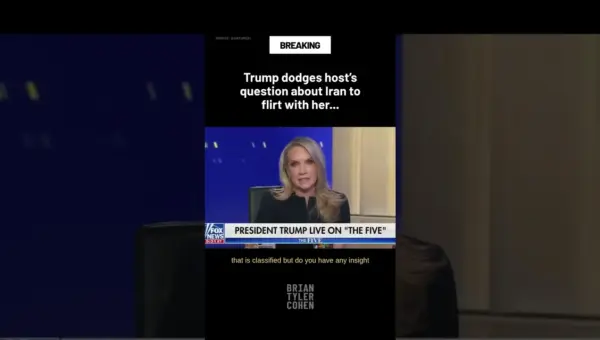
Trump Flirts With Host, Dodges Iran Human Rights Question
During an interview, Donald Trump deflected a question about the human rights situation in Iran. Instead of answering, he reminisced about a past lunch and complimented the interviewer's appearance. This exchange highlights a trend in political communication where personal interactions can overshadow serious global issues.
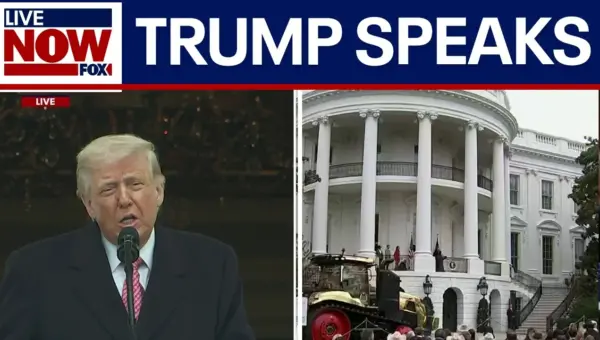
Trump Courts Farmers with Promises at White House
President Donald Trump hosted a large gathering of American farmers at the White House, highlighting his administration's support through aid packages, tax cuts, and deregulation. He pledged continued efforts to boost farm income, expand trade, and reduce equipment costs. Farmers shared testimonials, expressing gratitude for policies aimed at easing financial burdens and ensuring the future of agriculture.
Trump’s Fabricated Deals Fuel Doubts About His Leadership
Donald Trump's recent claims about negotiating custom markers and success with Iran have been met with strong denials from the involved parties. These fabrications raise serious questions about his leadership and ability to provide accurate information, impacting national security and economic stability.