Trump’s Trademark Filings Spark Ethics Debate Amidst Airport Renaming Proposal
Former President Donald J. Trump has filed multiple trademark applications for his name, 'DJT,' coinciding with a proposed legislative effort in Florida to rename Palm Beach International Airport in his honor. Critics view this as an unprecedented attempt to profit from public infrastructure, raising significant ethical questions about the intersection of political influence and private gain amidst pressing state issues.

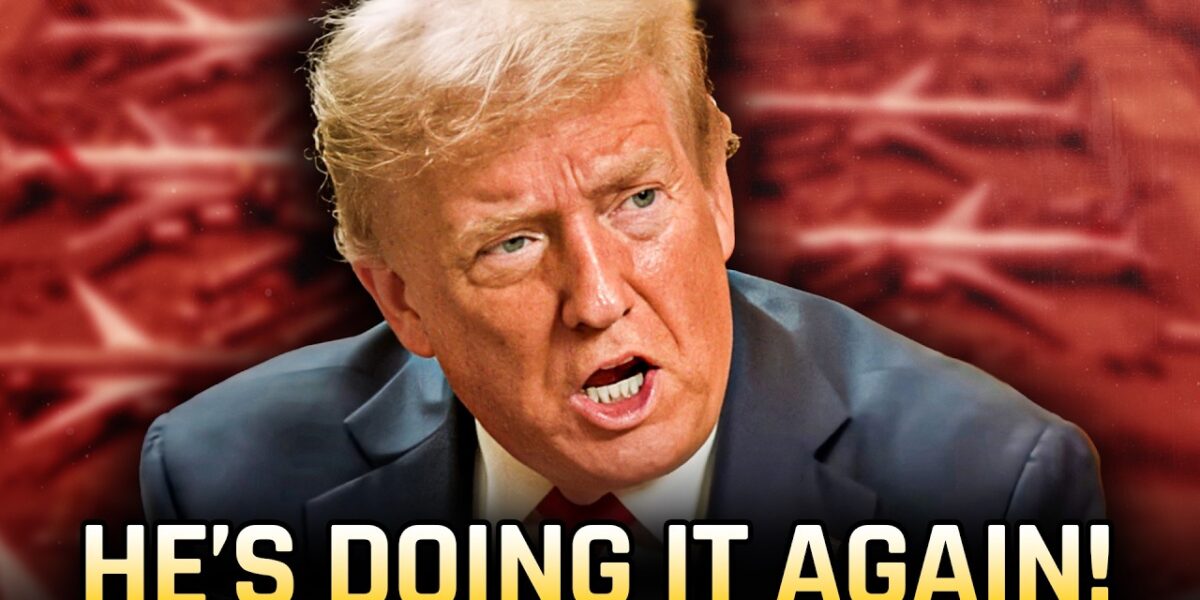
Trump’s Trademark Filings Spark Ethics Debate Amidst Airport Renaming Proposal
Former President Donald J. Trump has ignited a fresh wave of controversy following revelations of multiple trademark applications for his name, ‘DJT,’ coinciding with a proposed legislative effort in Florida to rename Palm Beach International Airport in his honor. The move has drawn sharp criticism from various quarters, with detractors labeling it a ‘grift’ and an ‘abuse of power’ designed to profit from public infrastructure.
The Heart of the Matter: A Name, An Airport, And Potential Profit
At the center of the burgeoning debate are Donald Trump’s recent trademark filings, which encompass various uses of his initials, DJT. These applications have come to light amidst discussions within the Republican-controlled Florida State Legislature regarding a potential bill to rename Palm Beach International Airport (PBI) – a major transportation hub serving the region where Trump’s Mar-a-Lago estate is located – to ‘DJT Airport’ or a similar designation.
Critics argue that the timing and nature of these trademark applications suggest a calculated move by the former president to financially benefit should any government-owned property, particularly an airport, be named after him. The implications of such a scenario are unprecedented, raising questions about the commercialization of public honors and the ethical boundaries of political influence.
Florida’s Political Landscape and Legislative Priorities
The proposal to rename the airport is unfolding within a Florida political environment characterized by a strong Republican majority, described by some as leaning even further to the right than Donald Trump himself. This legislative climate, critics contend, has created an environment where such proposals can gain traction, despite what they see as more pressing state issues.
Florida currently grapples with significant challenges, including a severe homeowner insurance crisis, with residents facing escalating premiums. Reports and public outcry highlight substantial price increases, leading to widespread financial strain for many Floridians. Additionally, the state has seen rising energy costs and ongoing concerns about affordability and infrastructure.
Commentators have expressed dismay over the legislature’s perceived focus on symbolic gestures, such as the airport renaming, while these critical issues persist. One prominent critic stated, "We have the highest insurance, homeowners insurance premiums in the United States that continue to go up year after year. It is a massive crisis… We have some of the highest energy prices in the entire country and they continue to go higher year after year. Our Republican government has done nothing about that." Instead, the critic argues, legislative attention is diverted to proposals like renaming the airport and, controversially, legislation that some interpret as enabling employment below minimum wage.
Uncharted Territory: Trademarks and Public Property
The core of the controversy lies in the intersection of personal branding, intellectual property, and public assets. Trademark law generally protects names, symbols, and logos used in commerce to identify and distinguish goods and services. If Trump’s name, or ‘DJT,’ were trademarked and subsequently used on a government-owned entity like an airport, the potential for royalties or other forms of compensation to the trademark holder arises.
The practicalities of how such a system would operate are complex and largely unexplored. Questions abound: Would Trump receive a percentage of airport revenues? Would his trademark apply to merchandise sold at the airport, or even a portion of every ticket sold for flights departing or arriving at ‘DJT Airport’? Legal experts would likely need to dissect such arrangements, but the very premise raises concerns about private gain from public facilities.
Critics have highlighted the unprecedented nature of these specific trademark applications, particularly given their timing and the explicit link to potential public infrastructure projects. While public figures often register trademarks for various ventures, the direct association with government-owned property potentially named in their honor, especially by a former president with ongoing political influence, presents unique ethical and legal dilemmas.
Ethical and Historical Precedents
The notion of a public servant, particularly a former president, seeking to directly profit from the naming of public infrastructure after themselves deviates significantly from established norms. Historically, monuments, buildings, and transportation hubs have been named after presidents and other distinguished figures as a mark of honor and public service, not as a commercial enterprise.
For instance, airports like John F. Kennedy International Airport (JFK) or Ronald Reagan Washington National Airport (DCA) bear the names of former presidents, but these namings were acts of public tribute, not mechanisms for the presidents or their estates to generate revenue. The underlying principle has always been about public recognition for service, not commercial exploitation.
Ethics watchdogs and political observers typically emphasize the importance of preventing conflicts of interest and avoiding even the appearance of using public office or influence for private financial gain. The current situation, many argue, blurs these lines in a way that could set a problematic precedent for future public figures.
The Broader Implications for Political Norms and Public Trust
The controversy surrounding Trump’s trademark filings and the airport renaming proposal extends beyond Florida, touching upon fundamental questions about political ethics, transparency, and the integrity of public service. Critics argue that such actions erode public trust in government and political leaders.
The perception that political influence can be leveraged for personal enrichment, especially through the naming of public assets, can foster cynicism among citizens. It raises concerns about whether political decisions are made in the best interest of the public or to serve private agendas.
Furthermore, the debate highlights the ongoing challenge of accountability for high-profile political figures. While criticisms of Trump’s actions are vocal from some media outlets and opposition figures, his supporters often dismiss such concerns, leading to a polarized discourse where allegations of impropriety are often framed along partisan lines.
Conclusion: A Continuing Debate
The unfolding situation in Florida, involving proposed legislation to honor Donald Trump by renaming a major airport and his concurrent trademark filings, represents a complex and contentious issue. It forces a re-examination of ethical standards in public life, the boundaries between public service and private enterprise, and the priorities of legislative bodies.
As the discussions continue in Florida, and as the implications of Trump’s trademark strategy are further scrutinized, this episode is poised to remain a significant point of debate, challenging established norms and potentially reshaping expectations for how public figures are honored and how their influence intersects with commercial interests.
Source: Trump Sinks To DISGUSTING New Low (YouTube)

Related Articles

Trump Threatens “Unseen” Force on Iran After Leader’s Death
Following the assassination of Supreme Leader Ayatollah Ali Khamenei, U.S. President Donald Trump has vowed to unleash unprecedented force on Iran. While outlining ambitious goals including regime change, experts express skepticism about the effectiveness of airstrikes and the potential for popular uprising against a resilient Iranian government.
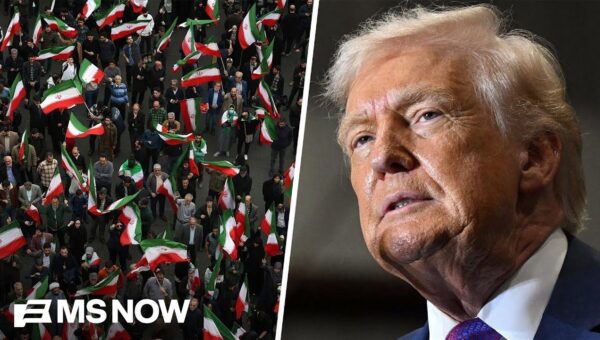
Senator Coons Questions Trump’s Iran Strategy After Troop Deaths
Senator Chris Coons has sharply criticized President Trump's strategy in Iran following the deaths of three U.S. service members. Coons questioned the intelligence regarding Iran's nuclear proximity and the lack of clear strategy and congressional debate for the "war of choice."
Nuclear Expert Debunks Trump’s Iran Bomb Timeline
Nuclear security expert Joe Cirincione refutes claims that Iran was two weeks from a nuclear bomb, stating the process would take months. He analyzes recent strikes on Iran's nuclear facilities, arguing military solutions are insufficient and diplomacy with inspectors is key.