Trump’s Team Flees: A Calculated Exit Strategy
Several members of Donald Trump's inner circle are reportedly scrambling to find exits from the administration to avoid public firing. This strategic departure is seen as crucial for those hoping to pursue future political careers, as association with a deeply unpopular administration can be career-damaging.

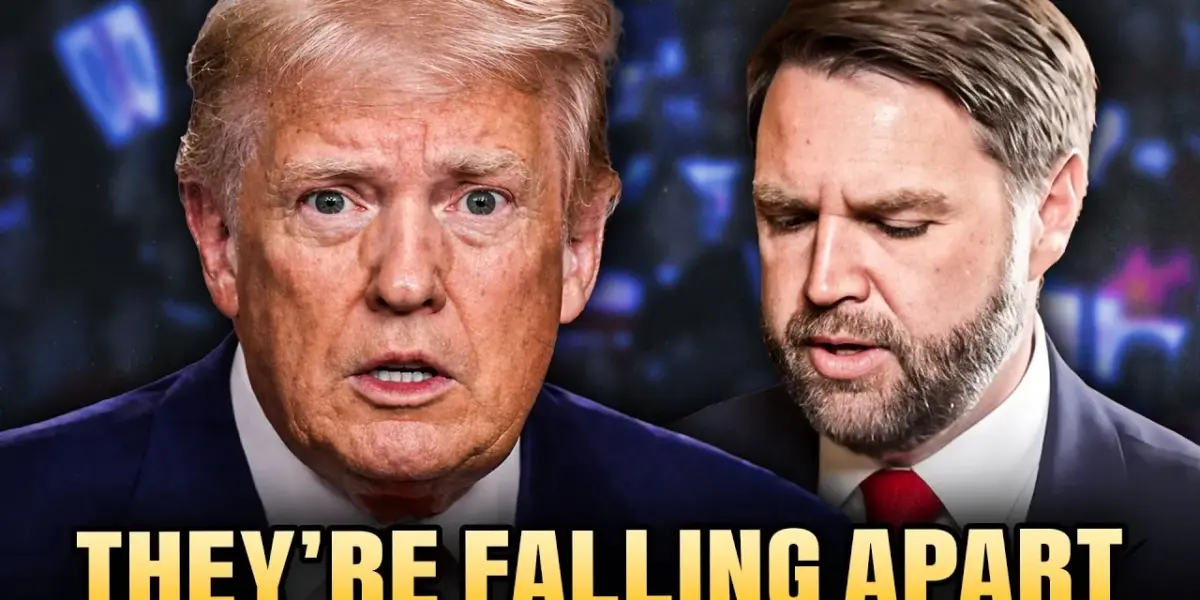
Trump’s Team Flees: A Calculated Exit Strategy
Recent weeks have seen significant turnover within Donald Trump’s inner circle, with several cabinet members reportedly out or looking for the door. Reports from within the administration offer mixed signals, with some suggesting a widespread ‘massacre’ of staff and others predicting a more gradual ‘slow churn.’ However, a growing number of anonymous sources claim that many cabinet members are actively seeking to leave, hoping to avoid the public embarrassment of being fired.
This desire to exit gracefully is understandable, especially for those with aspirations of future public office. The current administration faces record-low approval ratings, making it a challenging environment for anyone associated with it to maintain a positive public image. Staying on a ship that many perceive as ‘sinking’ could indeed harm future career prospects. The key for these individuals is to be seen as making a deliberate choice to leave, rather than being forced out.
The Peril of Being Fired
Being fired from a highly unpopular administration can be a career-ending move. For example, Christy Gnome’s departure, characterized by her being fired, has likely damaged her future political ambitions. She now appears as someone rejected by an administration that itself struggles with public favor. Similarly, Pam Bondi is facing similar challenges. The message is clear: if you want a future in politics, you must control your own exit.
Future Political Aspirations
Figures like JD Vance, Marco Rubio, Pete Hegseth, and even Robert F. Kennedy Jr. are mentioned as individuals who might consider future runs for office. For them, remaining associated with a deeply unpopular administration could be detrimental. The strategy, therefore, is to leave on their own terms, preserving their image and potential for future campaigns. This is a calculated risk to avoid being labeled a ‘casualty’ of a failing administration.
Speculation on the Next Departure
While speculation swirls about who might be next, the transcript suggests a specific scenario involving Pete Hegseth. The argument is based on Donald Trump’s recent deal with Iran, which is described as highly unfavorable. If this deal leads to public criticism and makes Trump feel like a ‘loser,’ he may seek to deflect blame. Hegseth, being deeply involved in the specifics of such a deal, could become a convenient scapegoat.
This theory posits that Trump might blame Hegseth to avoid personal humiliation. Unlike other figures such as Dr. Oz, Tulsi Gabbard, Cash Patel, or Linda McMahon, Hegseth’s direct involvement makes him a plausible target for Trump’s blame-shifting strategy. While this is presented as a ‘long shot,’ it highlights the complex dynamics at play within the administration, where personal image and blame-avoidance can drive significant decisions.
Why This Matters
This situation offers a window into the internal workings of a high-pressure political environment. It shows how public perception and the need to manage one’s own reputation can influence the actions of political figures, even those close to power. The desire to escape a sinking ship and the fear of public humiliation underscore the importance of strategic career management in politics. The potential for blame-shifting also reveals a darker side of political survival, where individuals may be sacrificed to protect the image of a leader.
Historical Context
Throughout history, political administrations have seen their share of departures, especially when facing public disapproval. High turnover can be a sign of internal strife, policy failures, or a leader’s inability to maintain loyalty. In the past, administrations that become deeply unpopular often experience a wave of resignations as individuals seek to distance themselves from the negative association. This current situation, with its emphasis on avoiding public firing and preserving future career options, reflects a modern approach to political damage control.
Trends and Future Outlook
The trend of political figures carefully managing their exits, especially from unpopular administrations, is likely to continue. The rise of social media and 24/7 news cycles means that public image is more critical than ever. Individuals will likely become even more adept at crafting narratives around their departures. For leaders, the challenge will be to maintain control of their public image while navigating the inevitable departures of those around them. The strategic resignation, rather than the public firing, may become the norm for ambitious politicians seeking to protect their long-term careers.
Conclusion
The reported efforts of Trump’s inner circle to find graceful exits highlight the precariousness of political loyalty in the face of declining popularity. It’s a stark reminder that in the cutthroat world of politics, self-preservation often takes precedence. The coming weeks and months will likely reveal more about who stays, who goes, and how these departures are framed, offering further insights into the strategies employed by those seeking to navigate troubled political waters.
Source: Trump’s Inner Circle PANICKING, Scrambling For The Exit (YouTube)

Related Articles

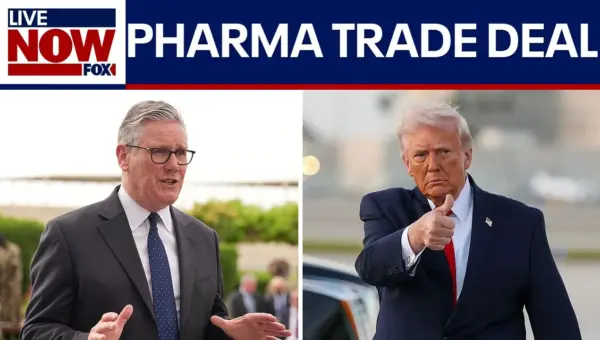
US Strikes Pharma Deal With UK, Eyes Lower Drug Costs
The United States and the United Kingdom have finalized a deal to lower prescription drug prices. The agreement aims to make other countries contribute more to the costly research and development of new medicines, potentially reducing costs for American patients and insurers. This development comes as tensions rise over the Strait of Hormuz, impacting global energy markets.

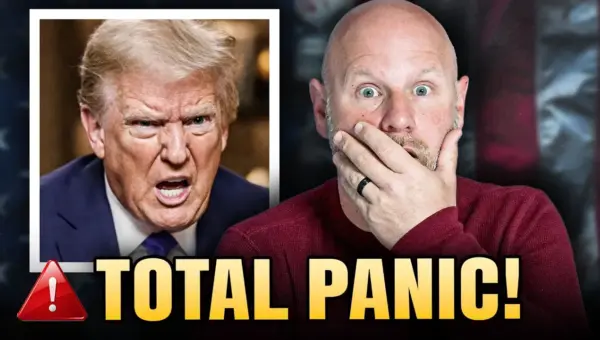
Trump Team Scrambles to Shield President From Bad News
President Trump's team is reportedly working to find positive media coverage to soothe his ego amid criticism of his Iran dealings. This effort involves enlisting MAGA influencers and right-wing media, raising questions about political messaging and transparency.
Draft Registration Sparking Fears of War
A new law automatically registers men aged 18-25 for the military draft, sparking fears of a return to conscription. This change, coupled with rising global tensions and aggressive presidential rhetoric, raises questions about public willingness to engage in future conflicts and the government's use of citizen data.