Trump’s Tariff Gambit Sparks Congressional Skepticism and Global Economic Uncertainty
President Trump's imposition of a 15% global tariff has sparked significant instability and Congressional skepticism. Businesses face mounting costs and contract uncertainty, while lawmakers push to reclaim tariff authority. The move is expected to be temporary, with future tariffs likely to be more targeted.

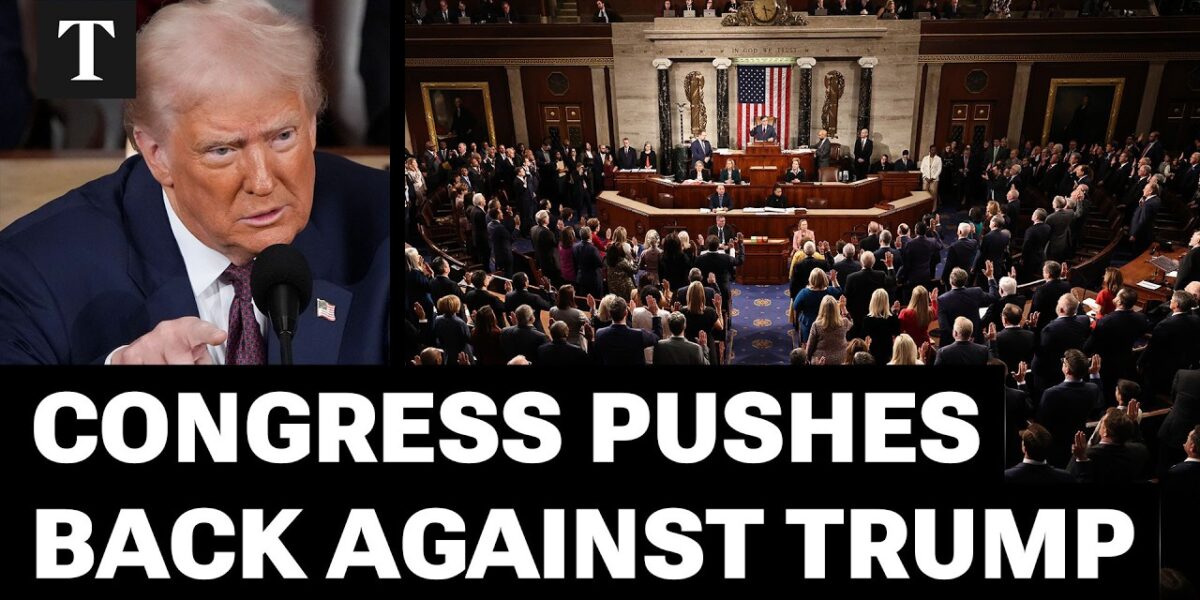
Global Trade Thrown into Turmoil as Trump Imposes New Tariffs Amidst Congressional Opposition
In a move that has sent ripples of uncertainty through the global economy, U.S. President Donald Trump has escalated his tariff strategy by announcing a sweeping 15% increase on imports worldwide. This decision, enacted just a day after the U.S. Supreme Court struck down previous import tax plans, has ignited significant debate and skepticism within Congress and among international trade bodies.
Section 122: A Little-Used Law Becomes a Tool for Trade Policy
President Trump invoked Section 122 of a seldom-used law, granting him the authority to impose tariffs up to a maximum of 15% for a period of 150 days. This provision requires Congressional approval to extend beyond this initial timeframe, placing the onus on lawmakers to either endorse or reject the new trade measures. The move bypasses existing legislative channels and highlights the executive branch’s significant power in shaping U.S. trade policy.
Economic Instability and the Uncertainty Factor
Emanuel Adam, Chief Trade and Policy Officer at British American Business, described the situation as one of “huge instability.” He noted the rapid succession of events – a Supreme Court ruling against one set of tariffs followed immediately by the announcement of another – creates an unpredictable environment for businesses. “We are in a world right now we just don’t know anymore what is going to be the landing zone in a few days or few weeks or few months from now,” Adam stated, emphasizing that this uncertainty must now be factored into everyday business operations.
The Impact on Businesses: Costs and Contractual Challenges
The implications for businesses, particularly those involved in international trade, are substantial. Adam illustrated this with an example of a UK producer of children’s toys or jumpers. The imposition of tariffs directly increases the cost of goods. However, the greater challenge lies in the unpredictability of future tariff rates. “If you don’t know exactly what that tariff rate is going to be tomorrow and a few weeks and a few months from now, how do you negotiate pricing contracts with your customers and so forth?” he questioned. While a massive wave of business failures hasn’t been observed yet, Adam believes these tariff changes “definitely dampen the prospects for growth.”
Conflicted Views: Protectionism vs. Economic Health
While some domestic U.S. businesses that cater primarily to the internal market might welcome protectionist measures, the broader economic consensus, including within Congress, appears more cautious. Adam acknowledged that certain industries, like steel production, may benefit from tariffs. However, he highlighted the significant downside: “steel per ton right now in the US cost almost double of what it would have cost in the world market.” This disparity inflates input costs for numerous other industries, ultimately leading to higher prices for construction and finished products. The core issue, according to Adam, is the scale of protectionism – safeguarding a small segment of the economy at the expense of the broader economic health.
Congressional Skepticism and the Push for Tariff Authority
A significant undercurrent to this trade policy shift is the skepticism emanating from Capitol Hill. “Several high-ranking members in Congress have come out and said tariffs are not good for the American people, not good for the American consumer. Tariffs don’t make good policy,” Adam reported. Many lawmakers are reportedly eager to reclaim and exert their constitutional authority over trade policy, pushing back against what they perceive as an overreach by the executive branch. The political landscape, rooted in the reasons for President Trump’s initial election, makes this a complex but discernible movement towards reasserting Congressional power.
Future Tariff Landscape: Targeted Investigations Over Global Tariffs
Looking ahead, Adam anticipates a shift away from the broad, global tariffs currently in place. The Section 122 tariffs are set to expire in July 2024, unless Congress acts. However, the administration has indicated it will launch a series of targeted investigations under Section 301 and Section 232. These mechanisms allow for the imposition of tariffs on specific countries or products. “What I don’t see after those 150 days is a global tariff such as the one that we now have in place,” Adam predicted, expressing doubt that Congress would support making the current 15% global tariffs permanent.
Broader Implications: Trade Wars and Geopolitical Stability
The repeated use of tariffs as a policy tool by the Trump administration has broader implications beyond immediate economic costs. It contributes to an environment of trade friction and potential trade wars, which can destabilize international relations and disrupt global supply chains. Such unpredictability can deter long-term investment and slow down global economic growth. For entities like British American Business, which represent U.S. businesses operating in the UK, this creates a challenging environment that requires constant adaptation and strategic recalibration in the face of evolving trade policies.
The Role of Congress in Trade Policy
The current situation underscores the delicate balance of power between the executive and legislative branches concerning trade policy. While presidents have historically wielded significant influence, the Constitution grants Congress the power to regulate commerce with foreign nations. The current Congressional skepticism reflects a desire to ensure that trade policy is not only effective but also democratically legitimate and aligned with the broader interests of the American people and the global economy. The upcoming 150-day period will be critical in determining whether Congress will assert its authority and shape a more stable and predictable trade future.
Navigating the New Normal: Business Adaptation Strategies
Businesses caught in this volatile trade environment are forced to adopt new strategies. This includes diversifying supply chains, exploring alternative markets, hedging against currency fluctuations, and building greater flexibility into their pricing models. The emphasis shifts from long-term planning based on stable trade agreements to short-term tactical adjustments. This constant state of flux can erode business confidence and hinder innovation, as resources are diverted from growth-oriented activities to risk management.
The International Response
While the transcript focuses on the U.S. perspective, it’s important to note that other nations impacted by these tariffs will likely respond. This could involve retaliatory tariffs, formal complaints through international trade organizations like the World Trade Organization (WTO), or diplomatic negotiations. The escalating use of tariffs by major economies can lead to a cycle of protectionism, harming global trade and economic cooperation.
Conclusion: A Call for Predictability and Bipartisan Consensus
The recent tariff actions by President Trump have undeniably created a period of significant economic uncertainty. The skepticism within Congress, coupled with the practical challenges faced by businesses, highlights the need for a more stable and predictable trade policy. The coming months will be crucial as Congress grapples with its role in trade regulation and the administration navigates the complexities of international commerce. A bipartisan consensus on trade, fostering long-term growth and global stability, remains a critical objective.
Source: Congress ‘Sceptical’ As Donald Trump Escalates Tariff Strategy | Emmanuel Adam (YouTube)

Related Articles
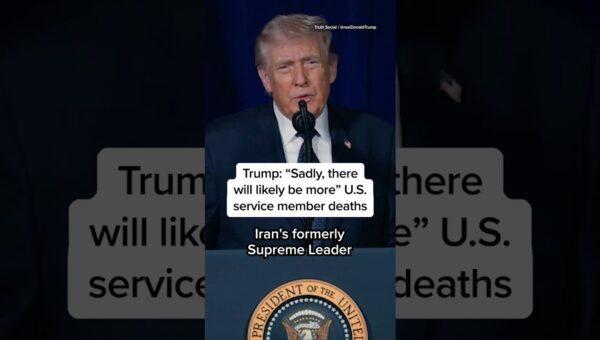
Trump Warns of More US Deaths in Escalating Conflict
Former President Donald Trump issued a somber warning on Truth Social, stating that further U.S. service member deaths are "likely" as geopolitical tensions escalate. He condemned Iran's former supreme leader, Ayatollah Ali Khamenei, and vowed retribution for fallen soldiers.

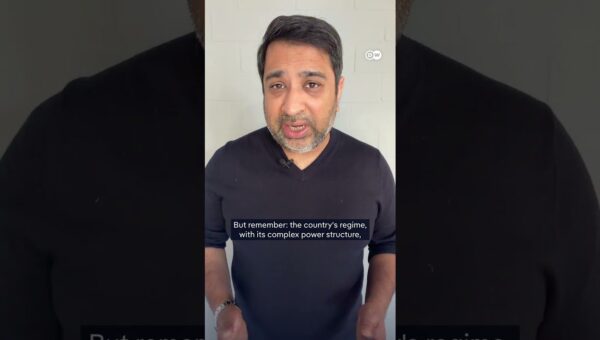
Trump Threatens “Unseen” Force on Iran After Leader’s Death
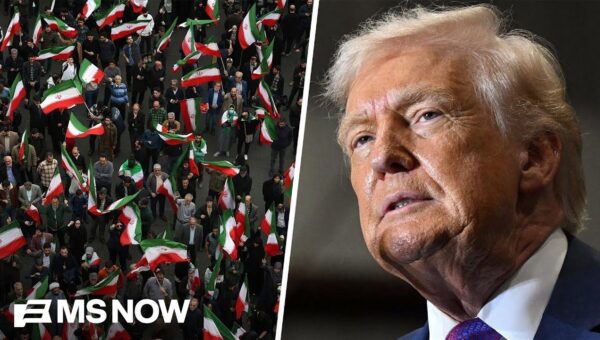
Following the assassination of Supreme Leader Ayatollah Ali Khamenei, U.S. President Donald Trump has vowed to unleash unprecedented force on Iran. While outlining ambitious goals including regime change, experts express skepticism about the effectiveness of airstrikes and the potential for popular uprising against a resilient Iranian government.
Senator Coons Questions Trump’s Iran Strategy After Troop Deaths
Senator Chris Coons has sharply criticized President Trump's strategy in Iran following the deaths of three U.S. service members. Coons questioned the intelligence regarding Iran's nuclear proximity and the lack of clear strategy and congressional debate for the "war of choice."