Trump’s Tariff Fury: Supreme Court Rebuff Triggers Escalating Global Trade Threats and Diplomatic Fallout
Former President Donald Trump reacted with swift defiance to a Supreme Court ruling striking down his previous tariffs, rapidly escalating new tariff threats to 15% worldwide. This move, based on a legally dubious invocation of the 1974 Trade Act, has sparked widespread criticism from economists who view tariffs as taxes on Americans, and ignited a diplomatic spat with European allies over defense procurement. The unfolding situation highlights deep concerns over presidential authority, the rule of law, and the long-term erosion of global trust in U.S. leadership.

Trump’s Tariff Fury: Supreme Court Rebuff Triggers Escalating Global Trade Threats and Diplomatic Fallout
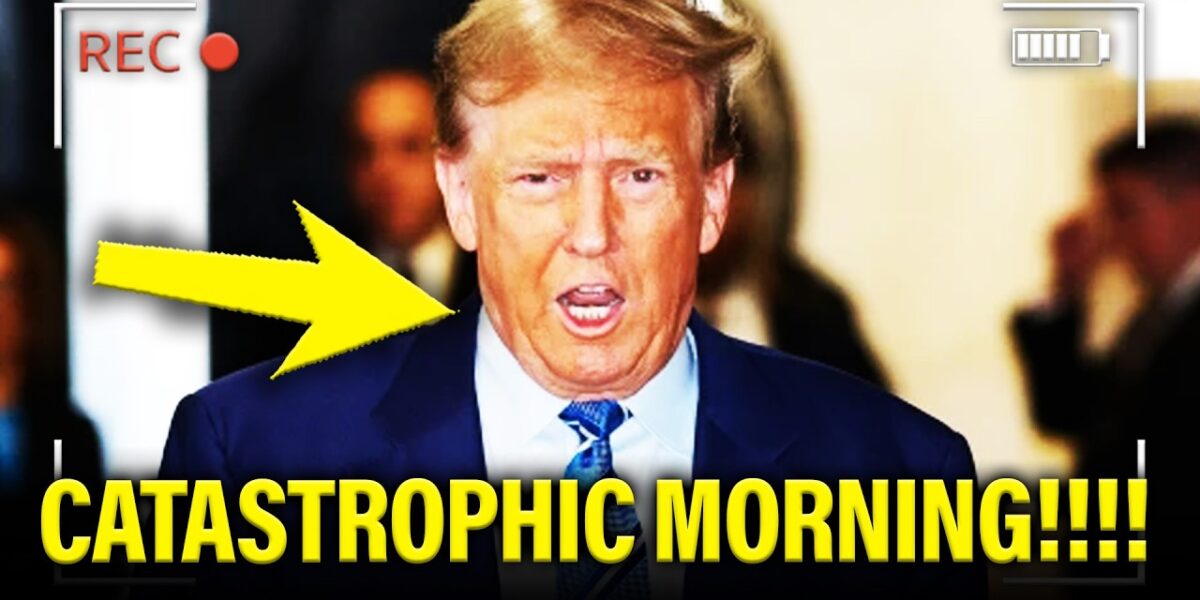
In a dramatic escalation of an ongoing legal and economic saga, former President Donald Trump reacted with swift defiance to a recent Supreme Court ruling that struck down his previous tariff regime. Following what critics described as a “disastrous” Saturday morning, Trump not only reaffirmed his intent to impose new tariffs but rapidly increased the proposed rate, unleashing a wave of economic uncertainty and diplomatic tensions. This latest move has reignited debates over presidential authority, the rule of law, and the precarious state of global alliances, drawing sharp rebukes from legal experts, economists, and international partners.
The former President’s immediate response to the Supreme Court’s decision saw him initially proposing a 10% tariff against the entire world, a figure he then dramatically raised to 15% within a mere 12-hour period. This rapid escalation, articulated in a social media post, demonstrated an unyielding commitment to his protectionist trade policies, despite the highest court in the land having just curtailed his executive power in this domain. Trump’s statement declared the Supreme Court’s decision “ridiculous, poorly written, and extraordinarily anti-American,” asserting his intention as President to impose “fully allowed and legally tested 15% level” tariffs, claiming they would continue an “extraordinarily successful process of making America great again.”
The Supreme Court’s Rebuke and Trump’s Defiance
The Supreme Court’s decision to strike down Trump’s earlier tariffs represents a significant check on executive power, particularly in the realm of international trade policy. Such rulings underscore the constitutional principle of separation of powers, where the judiciary acts as a crucial arbiter of legislative and executive actions. For a president to have their trade policies deemed unlawful by the Supreme Court is a rare and profound constitutional event, signifying that the executive branch overstepped its statutory authority or constitutional limits.
Trump’s immediate reaction, characterized by critics as a “horrific meltdown,” showcased a pattern of defiance against judicial oversight. His public statement, while asserting future legality, simultaneously undermined the legitimacy of the Supreme Court’s decision. This posture raises serious questions about adherence to the rule of law and the stability of governance, particularly if a president or former president continues to challenge fundamental legal precedents set by the nation’s highest judicial body. The implications of a leader publicly dismissing a Supreme Court ruling are far-reaching, potentially eroding public trust in institutions and encouraging further challenges to established legal frameworks.
The Dubious Legal Basis: Section 122 of the 1974 Trade Act
In justifying his new, escalated tariffs, Trump claimed to be invoking Section 122 of the 1974 Trade Act. This particular statute, however, has stringent conditions for its application, which legal analysts contend are not met by the current economic climate. Section 122 authorizes the President to impose temporary import surcharges, not exceeding 15% for a period of 150 days, specifically under circumstances related to fundamental international payment problems. The statute outlines three key conditions:
- To deal with large and serious United States balance of payment deficits.
- To prevent an imminent and significant depreciation of the dollar.
- To cooperate with other countries in correcting an international balance of payments disequilibrium.
According to legal interpretations, the current economic situation does not align with these prerequisites. While the dollar may be experiencing some weakness, and trade deficits are a persistent concern, the nation is not currently grappling with “fundamental international payment problems” in the sense of currency convertibility crises or widespread payment defaults that the 1974 Act was designed to address. The distinction between a trade deficit (where imports exceed exports) and a balance of payments deficit (a broader measure encompassing all transactions between a country and the rest of the world, often indicating severe financial instability) is critical here. Critics argue that Trump’s invocation of Section 122 conflates these issues, misapplying a specific emergency provision to a general trade policy objective.
The repeated use of potentially unlawful legal pretexts for imposing tariffs highlights a broader strategy. As observed by some commentators, the lesson drawn from previous legal challenges to Trump’s tariffs might be that while such actions are eventually struck down, the protracted legal battles can allow the tariffs to remain in effect for significant periods. For instance, the transcript notes that it took 16 months for the Supreme Court to declare a previous tariff regime unlawful. This suggests a calculated approach to implement policies that may be legally dubious, relying on the slow pace of judicial review to achieve temporary policy goals, thereby undermining the spirit of the law even if eventually overturned.
Economic Fallout: Tariffs as a ‘Tax on Americans’
Despite Trump’s claims of “extraordinarily successful” economic outcomes, critics point to a different reality. The transcript highlights concerns about surging inflation, with core PCE (Personal Consumption Expenditures, a key inflation gauge preferred by the Federal Reserve) around 3%. It also notes a “lousy” GDP growth of 1.4% during a past period of Trump’s presidency, contrasting sharply with promised growth rates of 5-15%. Economists broadly agree that tariffs, rather than penalizing foreign nations, primarily function as taxes on domestic consumers and businesses, raising the cost of imported goods and components. This increase in costs can fuel inflation, reduce consumer purchasing power, and make domestic industries less competitive if they rely on imported inputs.
The notion that tariffs are a “primitive coping mechanism” rather than a sound economic policy reflects a widespread critique from mainstream economists. Trade wars, such as those initiated by the Trump administration against China and European allies, have historically led to retaliatory tariffs, hurting American exporters, farmers, and manufacturers. The economic literature is replete with studies demonstrating that the costs of tariffs are largely borne by the importing country’s consumers and businesses. For example, a 2019 study by the National Bureau of Economic Research found that the full incidence of U.S. tariffs fell on domestic consumers and importers, with no evidence that foreign exporters lowered their prices. This means that the 10% or 15% tariff is effectively a tax paid by American households and companies, undermining the very economic prosperity it purports to protect.
The current economic climate, marked by persistent inflationary pressures and a delicate global recovery, makes the prospect of new widespread tariffs particularly concerning. Such measures could exacerbate inflation, stifle economic growth, and introduce significant uncertainty for businesses, potentially leading to reduced investment and job losses. The argument that these tariffs are a necessary tool to combat foreign exploitation often overlooks the complex interconnectedness of the global economy and the detrimental impact on domestic economic stability.
Diplomatic Fissures: The EU Defense Procurement Standoff
The escalating tariff threats are not occurring in a vacuum; they are intertwined with broader diplomatic tensions, particularly with European allies. A recent statement from the United States Ambassador to the European Union revealed a new point of contention: Washington’s opposition to the EU’s efforts to prioritize European defense procurement. The EU, in a move towards greater strategic autonomy, is considering incorporating a “European preference” in its defense directives, favoring European-made weapons over those from the U.S.
This development is a direct, albeit ironic, consequence of past rhetoric and policies from the Trump administration and its allies. For years, figures like Senator JD Vance and Senator Marco Rubio, alongside Trump himself, have criticized European nations for their perceived over-reliance on the United States for defense, urging them to increase their own military spending and become more self-reliant. Europe, particularly in the wake of geopolitical shifts and the war in Ukraine, has taken these calls to heart, accelerating efforts to revitalize its defense industrial base and foster greater intra-European cooperation.
However, when Europe acts on this advice by prioritizing its own defense industry, the U.S. now objects. The US Ambassador’s statement argued that such a preference would “undermine member state flexibility,” “hinder European rearmament efforts,” “create barriers for allies reaching NATO capability targets,” and “run counter to European commitments in the 2025 US-EU joint statement on trade and reciprocal defense procurement agreements.”
Critics highlight the stark hypocrisy of this stance. They point out that the U.S. itself has extensive “Buy American” legislation mandating preference for American products in government procurement. Furthermore, Trump’s past actions and rhetoric towards NATO allies have sown deep distrust. These include threatening to withdraw from NATO, questioning the collective defense clause (Article 5), imposing trade wars on European products, implying military non-support in case of invasion, and even making provocative statements about invading Greenland or calling Canada the “51st state.” Such actions have naturally led European nations to view the U.S. as an increasingly unreliable partner, if not an outright threat, thereby accelerating their drive for greater self-sufficiency in defense. The current U.S. objection, therefore, is seen as a classic case of reaping what has been sown, further straining transatlantic relations that have historically been cornerstones of global stability.
Political Reactions and Partisan Divides
The escalating tariff dispute and Trump’s defiant stance have predictably ignited a firestorm of political reactions, highlighting deep partisan divides. On one side, conservative media figures like Jesse Watters defended Trump, suggesting that he is not a dictator and will ultimately abide by court orders, while simultaneously proposing a politically savvy maneuver. Watters claimed that Democrats had walked into a “massive trap” by challenging the tariffs, asserting that Trump would now issue “tariff refund checks” with his name on them before the midterms, turning a legal defeat into a political victory.
This narrative attempts to reframe the Supreme Court’s ruling, downplaying its legal significance and instead focusing on its potential for populist appeal. The idea of “tariff refund checks” is presented as a mechanism to endear Trump to voters, despite the fact that tariffs are taxes on Americans, and any refund would essentially be returning money that was collected from them in the first place.
Conversely, California Governor Gavin Newsom offered a scathing rebuke of Trump’s actions and the notion of defying the Supreme Court. Newsom immediately demanded that tariff refunds be issued to American businesses and families, countering the Trump administration’s reported intention to prolong the issue through “years of litigation.” Newsom asserted that there is “no higher ruling” than the Supreme Court’s, emphasizing that a president “cannot operate as an imperial president” and is “subject to the rule of law” and co-equal branches of government. His comments underscored the fundamental importance of judicial supremacy and presidential accountability within the U.S. constitutional framework.
The political maneuvering around the tariffs illustrates the broader struggle between adherence to established legal norms and a more populist, executive-driven approach to governance. While some view Trump’s defiance as a necessary strongman tactic against perceived global unfairness, others see it as a dangerous erosion of democratic institutions and the rule of law.
The Erosion of Global Trust and US Standing
Beyond the immediate economic and diplomatic spats, critics warn of long-term, systemic damage to the United States’ standing in the world. The erratic and often confrontational approach to trade and alliances is seen as eroding global trust in American leadership and predictability. Concerns have been raised by analysts about the weakening of the U.S. dollar, high treasury yields, and the perception that U.S. treasuries are no longer viewed as an undisputed safe haven. While these are complex macroeconomic issues influenced by many factors, an unpredictable trade policy and a willingness to challenge international norms can certainly contribute to investor unease and a reevaluation of U.S. financial stability.
Perhaps most significantly, this pattern of behavior risks dismantling the intricate web of alliances and international cooperation that the U.S. has painstakingly built over decades. When a nation’s leader threatens allies, engages in trade wars, and dismisses international agreements, other countries naturally begin to seek alternative partnerships and pursue greater self-reliance. This can lead to the U.S. being increasingly “cut out of alliances across the world,” diminishing its geopolitical influence and its ability to address global challenges effectively. The shift towards European defense autonomy, for example, is a direct consequence of this perceived unreliability, demonstrating a tangible realignment of global power dynamics.
The overarching implication is a move away from a rules-based international order, which the U.S. largely championed since World War II, towards a more transactional and often confrontational global landscape. This shift not only threatens economic stability but also undermines collective security efforts, environmental cooperation, and other multilateral initiatives essential for addressing complex global problems.
Conclusion
Donald Trump’s response to the Supreme Court’s tariff ruling has ignited a multi-faceted crisis, spanning legal, economic, and diplomatic dimensions. His immediate escalation of tariff threats, coupled with a legally dubious justification under Section 122 of the 1974 Trade Act, signals a continued challenge to the rule of law and established constitutional boundaries. Economically, these tariffs are widely seen by experts as a tax on American consumers and businesses, threatening to exacerbate inflation and hinder growth, despite claims of national prosperity.
Diplomatically, the U.S.’s opposition to European defense autonomy, after years of urging greater self-reliance, highlights a profound hypocrisy that is further straining transatlantic alliances. This unpredictable approach to international relations risks isolating the U.S. and eroding its global influence, leading allies to seek alternative partnerships and greater independence. The ongoing saga underscores a critical moment for American governance and its role on the world stage, raising fundamental questions about presidential power, economic strategy, and the future of international cooperation.
Source: Trump CRASHES OUT All Morning as Order DESTROYS HIS LIFE!! (YouTube)

Related Articles
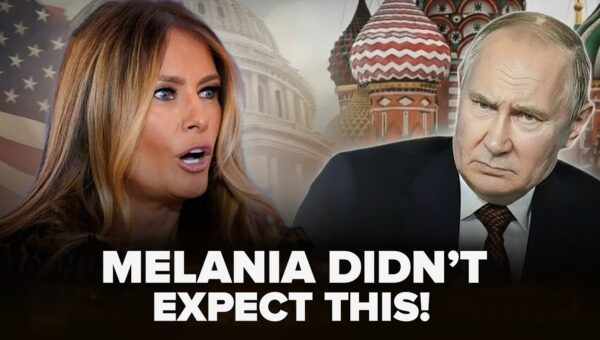
Melania Trump’s Quiet Diplomacy on Ukraine War
Former First Lady Melania Trump has emerged as an influential, though unofficial, voice on the Ukraine war, reportedly shaping her husband's perceptions and engaging directly on humanitarian issues like the deportation of Ukrainian children. Her advocacy, possibly influenced by her European background, has drawn international attention and sparked unique reactions, including widespread social media support from Ukrainians.

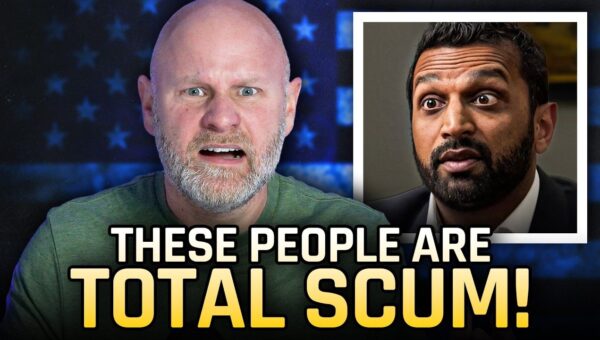
Trump FBI Accused of Halting Epstein Probe in 2019
Newly released emails from the Jeffrey Epstein files indicate that the Trump administration's FBI ordered the NYPD to halt their 2019 investigation into Epstein. Further correspondence references a "murder" investigation into Epstein's death, contradicting the official suicide ruling and fueling demands for transparency.


Trump’s Shifting Iran Stance: From Dealmaker to War Talk
President Trump's rhetoric on Iran has undergone a significant shift, contrasting his past calls for diplomacy with recent threats of military action. This shift follows a period of escalating tensions, withdrawal from the Iran nuclear deal, and renewed indirect negotiations.