Trump’s Tactics Echo Authoritarianism, Critics Argue
Critics argue Donald Trump's calls for indictments and attacks on institutions echo authoritarian tactics, raising concerns about democratic norms. While supporters dismiss these comparisons as political attacks, the debate centers on the potential for abusing presidential power and weakening vital safeguards like an independent judiciary and free press.

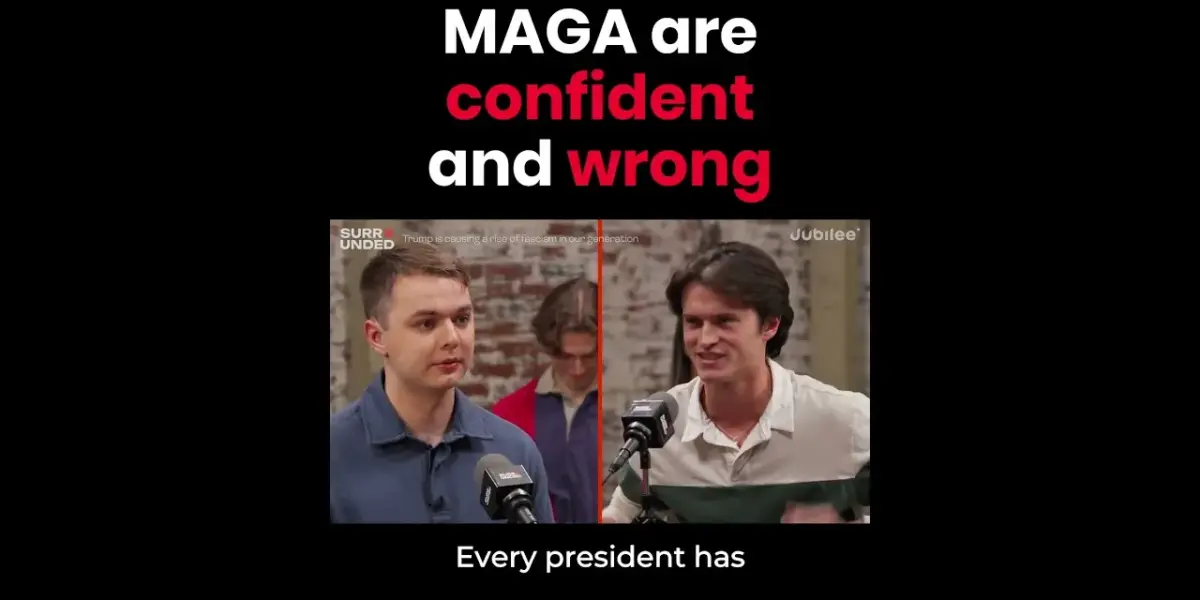
Trump’s Tactics Echo Authoritarianism, Critics Argue
The recent political discourse surrounding Donald Trump’s actions and rhetoric has ignited a fierce debate. Some critics are drawing parallels between his behavior and the tactics of historical fascist leaders like Hitler and Mussolini. This comparison is deeply offensive to many, especially those with ties to the victims of the Holocaust, who see it as trivializing immense suffering. However, the underlying concern is about the perceived undermining of democratic institutions and norms.
At the heart of this concern is the idea that Trump has consistently acted as if the Democratic Party, and indeed any significant political opposition, should not exist. This perspective suggests a fundamental rejection of the two-party system that is a cornerstone of American democracy. While Trump’s supporters might argue that his actions are simply strong political maneuvering, critics view them as an attempt to silence or eliminate political adversaries.
Challenging Democratic Norms
A key point of contention is Trump’s approach to the justice system and the press. Critics point to instances where Trump has publicly called for specific individuals to be investigated or indicted. For example, a Truth Social post from Donald Trump urged Pam Bondi to “indict these three people and move fast.” This direct public pressure on law enforcement officials to pursue specific targets is seen by many as an abuse of power and a dangerous precedent.
Following this post, the federal prosecutor Eric Sebert resigned. While not a case of physical violence, critics argue this was a forced resignation, stemming from immense political pressure. Shortly after, two of the individuals Trump named, Leticia James and James Comey, faced indictments for what are described as “random stuff.” The indictment of John Bolton also occurred around this time. This sequence of events has led to questions about the independence of the justice system when faced with presidential influence.
Supporters of Trump often counter these claims by pointing to actions taken by previous administrations. They argue that presidents, including those from the Democratic party like Biden and Obama, have also spoken against the press or engaged in political battles with opponents. However, the crucial distinction, according to critics, lies in the nature and intensity of these actions. They argue that Trump’s calls for indictments and his rhetoric go beyond typical political sparring and represent a more direct attempt to weaponize government power against perceived enemies.
The core of the debate isn’t just about whether presidents have criticized the press or opposed political rivals. It’s about whether a president has used the power of their office to try and force legal action against specific individuals for political reasons.
Historical Context and Modern Parallels
When people invoke the term “fascism,” they often think of figures like Adolf Hitler and Benito Mussolini. These leaders were responsible for the deaths of millions and the establishment of totalitarian regimes. The comparison, therefore, carries immense weight and is understandably sensitive. Fascism, in its historical context, is characterized by extreme nationalism, authoritarian rule, and the suppression of opposition. It often involves a cult of personality around a leader and a disdain for democratic processes.
Critics of Trump argue that certain aspects of his political style and rhetoric echo these historical patterns. This includes the strongman persona, the frequent attacks on institutions like the judiciary and the media, and the rallying of supporters against perceived enemies. The argument is not that Trump is a direct replica of Hitler, but that his methods pose a threat to democratic norms and could pave the way for more authoritarian tendencies. This perspective suggests a gradual erosion of checks and balances, rather than an outright overthrow of democracy.
On the other hand, those who defend Trump often dismiss these comparisons as hyperbole and politically motivated attacks. They argue that Trump’s actions are simply the strong, decisive leadership that many voters desired. They might say that criticizing the press is a right of any citizen, including the president, and that political opponents have always attacked each other. The focus for them is on Trump’s policy goals and his perceived success in achieving them, rather than on the style or the perceived threats to democratic institutions.
Why This Matters
The debate over Trump’s tactics is crucial because it touches upon the health and stability of democratic systems. If a leader can exert undue influence on the justice system or consistently attack the free press without significant consequence, it can weaken the very foundations of a free society. The independence of the judiciary and the role of a free press are vital safeguards against tyranny. When these institutions are seen to be compromised or manipulated for political gain, it erodes public trust.
This discussion also highlights the importance of understanding political rhetoric. The language used by political leaders can shape public opinion and influence how citizens view their government and their fellow citizens. When leaders demonize opponents or sow distrust in institutions, it can have long-lasting negative effects on civic discourse and social cohesion. The intensity of the accusations and counter-accusations in this debate underscores the deep divisions within the country and the high stakes involved in how political power is exercised.
Trends and Future Outlook
The trend of politicians using social media to directly influence legal proceedings or attack opponents is a growing concern. This approach bypasses traditional channels and can create an environment where public opinion, rather than legal process, seems to dictate outcomes. The ease with which messages can be spread and amplified online makes this a powerful, and potentially dangerous, tool.
Looking ahead, the way these issues are handled will likely shape future political norms. If actions perceived as pressuring the justice system are normalized, it could lead to a further erosion of democratic safeguards. Conversely, if institutions and the public push back against such tactics, it could reinforce the importance of upholding democratic principles. The ongoing scrutiny of such actions is essential for maintaining accountability and protecting the integrity of democratic governance.
Source: He Thought He Won This… (YouTube)

Related Articles


Trump’s Impossible Demands Reshape Justice Department
President Trump's demand for loyalty and action outside legal norms has reshaped the Justice Department. Recent departures, like Pam Bondi's, highlight the difficulty of fulfilling the President's "impossible tasks." The search for a new Attorney General continues amidst concerns about the DOJ's independence.


Trump’s Leadership: A Moral Vacuum for Young Learners?
Young people seek moral guidance from leaders, but what lessons does Donald Trump offer? Some argue his approach teaches negative behaviors like bullying and isolation, contrasting with traits like patience and gratitude seen in others. This raises questions about leadership character and its impact on societal values.

Trump’s Transparency: A Press Secretary’s Bold Claim
President Trump's press secretary, Sarah Huckabee Sanders, claims his public persona is identical to his private one. She states his directness eliminates guesswork, making her job easier by providing clear, unspun messages.