Trump’s ‘Sue’ Remark Sparks Outrage and Hypocrisy Claims
A recent event featuring Charlie Kirk at George Washington University and Donald Trump's subsequent advice to "sue" a comedian for a viral skit has ignited a debate. The discussion highlights perceived hypocrisy in conservative circles and the impact of online satire on public figures.

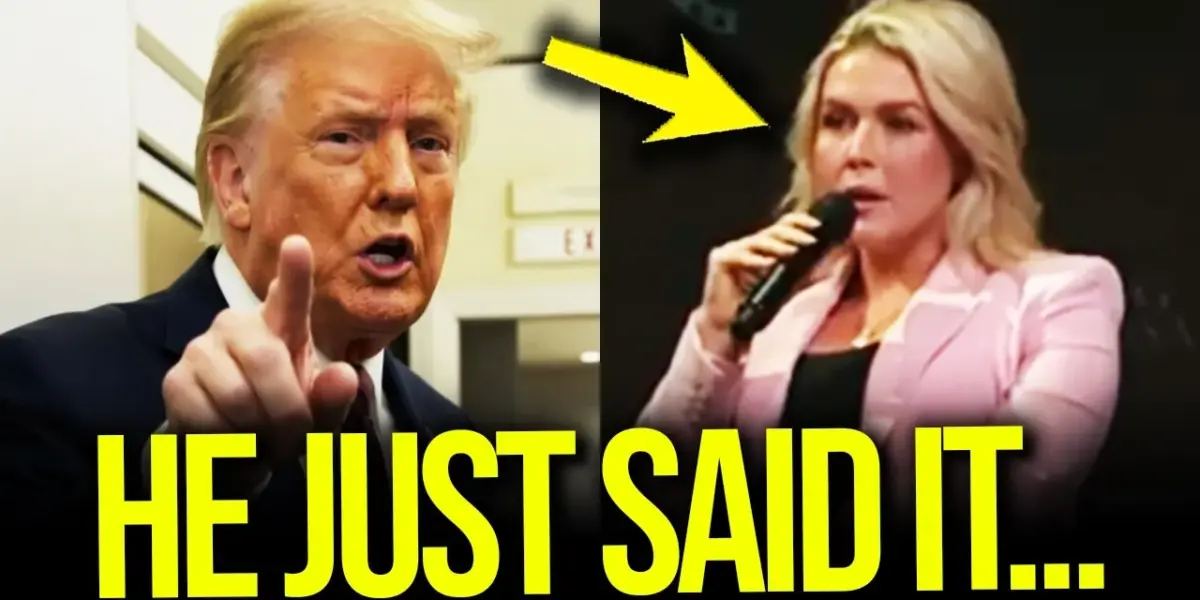
Trump’s ‘Sue’ Remark Sparks Outrage and Hypocrisy Claims
A recent event featuring Charlie Kirk at George Washington University (GW) has sparked a lively debate, particularly after comments made by former President Donald Trump regarding a viral skit. The situation highlights ongoing discussions about free speech, political commentary, and the perceived hypocrisy within conservative circles.
Kirk’s Event and Viral Skit
Charlie Kirk, a prominent conservative commentator, held an event at GW University, drawing attention and attendance. During this event, his press secretary, Karoline Leavitt, was present. The conversation turned to a widely shared online skit that satirized Kirk’s public statements, particularly those touching on issues of faith, gender, and race. The skit, created by comedian Drew Dasilva (referred to as “Drewski” in the transcript), gained massive traction online for its sharp humor and pointed commentary.
Kirk’s Response to the Skit
When asked about the skit and the online buzz surrounding it, Kirk stated she doesn’t pay much attention to online criticism, calling it “noise.” She described herself as being busy with her role as CEO of Turning Point USA and with personal matters like changing diapers, suggesting she has more important things to focus on than online drama.
The Skit’s Content and Impact
The viral skit, while not naming Kirk directly, mimicked her speaking style and touched on themes that resonated with her public persona. One notable segment focused on the idea of protecting “all men in America,” specifically “white men,” suggesting they are foundational to the country. The skit questioned how one grows closer to Jesus and offered a coffee order, blending religious and consumerist elements. The comedian’s performance drew significant attention for its satirical take on certain conservative talking points.
Trump’s Advice and S perspective
The situation escalated when Donald Trump reportedly advised Kirk to “sue him” (referring to the skit’s creator). This advice was met with strong criticism from commentator S perspective, who highlighted the apparent contradiction. S perspective pointed out that Trump himself built a political career on making fun of opponents, using derogatory nicknames, and engaging in personal attacks. He argued that it was hypocritical for Trump, who has a history of using strong rhetoric and even making controversial statements on social media, to suggest legal action over a satirical skit. S perspective questioned the call for suing over something that was essentially comedy and free speech.
“Trump tells Erica Kirk to sue Duski. I think you should sue him, but you know, I told her you’re to sue somebody. They’re so jealous. America, what did Elon Musk say? What happened to comedy? Legalized comedy. It’s like jokes. It’s just free speech.”
Leavitt on Trump’s Reading Habits
Karoline Leavitt also shared an anecdote about Donald Trump, quoting a predecessor who advised her to “be the most well-read person in the room.” Leavitt added that she tries to do this every day, but stated that “Donald Trump always is. That man does not miss a story, let me tell you. He’s always reading the papers and watching the TV.” This comment was met with skepticism by the video’s narrator, who argued that reporting from Trump’s first term indicated he often preferred short briefings with pictures and did not engage deeply with reading.
Kirk on Guarding Heart and Mind
When asked how she guards her heart and mind against negative news and online commentary, Kirk cited prayer and faith. She explained that her faith provides perspective, allowing her to view even the worst news cycles as temporary. This approach emphasizes spiritual resilience in the face of external pressures.
Critique of Conservative Messaging on Women
A question was raised about how to make conservative messaging more compelling to women, particularly regarding career versus family. Kirk responded by sharing her personal experience. She explained that she built her company in a way that allowed it to run on its own after she married and had children, making her priority to focus on being a wife and mother. She stressed that there isn’t a one-size-fits-all approach and that being a stay-at-home mom is a significant role. However, the narrator questioned the consistency of this message, noting that many who advocate for women to focus on family are themselves working professionals and CEOs. The narrator also pointed out the potential hypocrisy in telling women they shouldn’t work while those same individuals are actively engaged in careers.
The Lingering Impact of the Skit
Despite the skit not naming Charlie Kirk directly, it has had a noticeable impact. The narrator observed that the “Drewski” persona has become associated with Kirk and Turning Point USA, often appearing in online discussions and affecting the brand’s perception. This highlights how viral content, even when satirical, can significantly shape public opinion and brand identity in the current media environment.
Why This Matters
This series of events and reactions underscores several critical points about our current political and cultural climate. Firstly, it highlights the intense scrutiny and differing interpretations of public figures’ actions and statements. The contrast between Trump’s advice to sue and his own history of aggressive rhetoric raises questions about consistency and principle. Secondly, the discussion around the viral skit and Kirk’s response points to the challenges of navigating online discourse, where satire can be both impactful and controversial. The debate over conservative messaging to women also brings to the forefront ongoing societal conversations about gender roles, career aspirations, and personal choices. Finally, the rapid spread of information and commentary on platforms like X (formerly Twitter) and Truth Social means that cultural shifts and political narratives can evolve quickly, often fueled by viral content and strong opinions.
Implications and Future Outlook
The events discussed suggest a continuing trend of intense online debate surrounding political figures and organizations. The power of viral content, whether satirical or critical, will likely remain a significant factor in shaping public perception. For organizations like Turning Point USA, managing public image in the face of viral skits and critical commentary will be crucial. The differing views on women’s roles in society also indicate that these conversations will persist, with various perspectives seeking to influence public opinion. The role of social media in amplifying these debates and influencing political discourse shows no signs of diminishing, making it a key arena for cultural and political battles.
Historical Context
The use of satire and public commentary to critique political figures is not new. Throughout history, cartoons, plays, and writings have been used to mock and challenge those in power. The rise of the internet and social media has amplified this, allowing for faster dissemination and wider reach. Comedians and commentators have often used humor to address sensitive topics, sometimes pushing boundaries. Donald Trump himself has been a frequent subject of satire, and his own use of rhetoric has often been a topic of discussion. The current debate is part of a long tradition of using humor and critique to engage with political ideas and personalities, but it is now happening at an unprecedented speed and scale.
Source: Karoline VISIBLY SHAKEN after TRUMP SAYS IT! (YouTube)

Related Articles


Trump’s Bold Oil Plan: Seize Hormuz for Global Fortune
President Trump proposed the U.S. seize control of the Strait of Hormuz to profit from oil sales. This bold suggestion comes as nations dependent on the vital waterway show reluctance to ensure its openness. The situation highlights global energy security concerns and complex international relations.

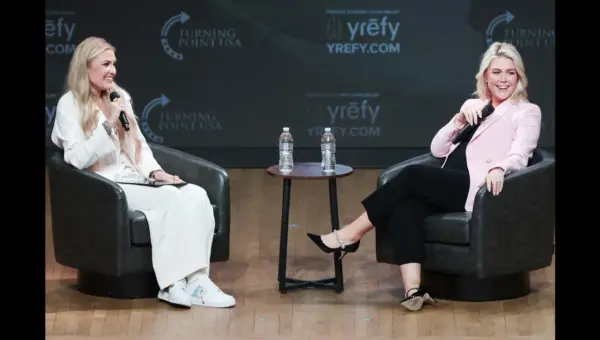
Faith, Freedom, and the Press: TPUSA Tour Sparks Debate
Turning Point USA launched its college tour with White House Press Secretary Karoline Leavitt and CEO Erica Kirk. They discussed faith, family, and freedom of the press. The tour aims to engage students on conservative values nationwide.

Trump Directs Vance to Target Blue States for Fraud Investigations
President Trump has appointed J.D. Vance to lead a new national task force focused on investigating fraud, with a stated emphasis on Democratic-led states. Trump claims these efforts could significantly impact the national budget if successful.