Trump’s ‘Stupid Comment’ Derails Japan’s Iran Strategy Talks
President Trump's recent offhand comment about Japanese history has overshadowed critical discussions on global energy security and the Iran conflict during a meeting with Japan's Prime Minister. The incident highlights concerns about erratic leadership and its impact on international diplomacy and economic stability.

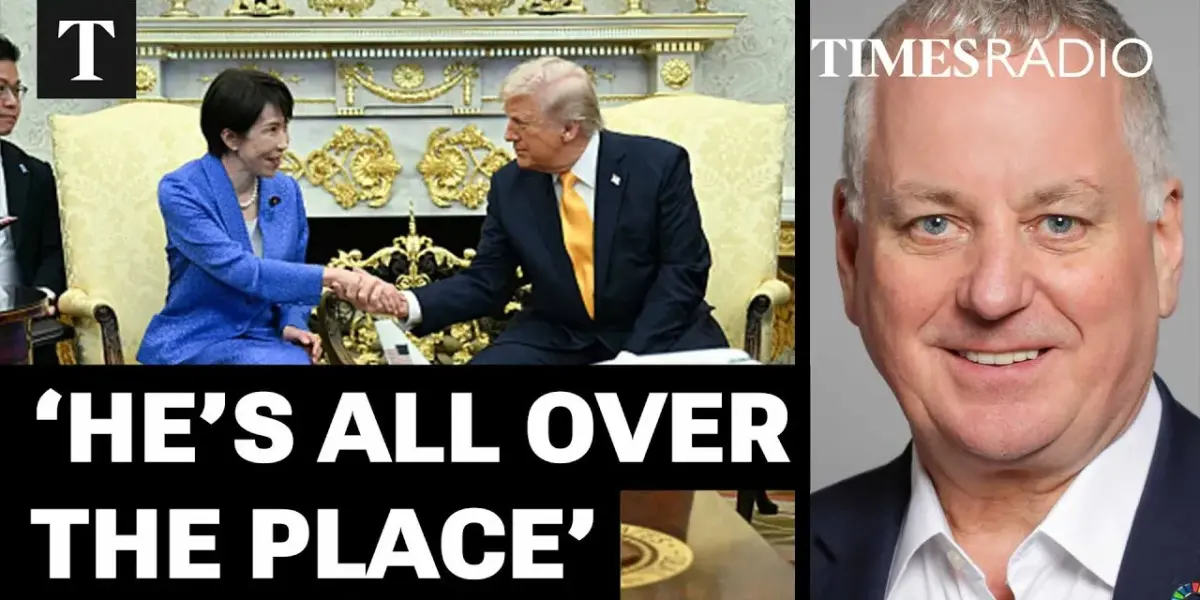
Trump Comment Distracts from Critical Japan-Iran Discussions
A seemingly offhand remark by President Trump about Japanese history has overshadowed a crucial meeting with Japan’s Prime Minister, derailing important discussions about global energy security and the escalating conflict in the Middle East. This incident highlights concerns about the President’s erratic communication style and its far-reaching consequences.
Global Energy Markets Brace for Impact
The conflict in Iran is sending shockwaves through global energy markets. Gas prices are soaring, prompting the International Energy Agency to suggest measures like working from home and driving slower to conserve fuel amid fears of oil shortages. While some government officials urge calm and downplay the need for immediate behavioral changes, others argue this approach may be naive.
For many households and businesses, the impact is already being felt. The Bank of England’s decision not to cut interest rates, a move many expected, means higher costs for those with debt tied to the central bank’s rate. This financial strain is compounded by rising energy bills, forcing consumers and organizations to adjust their spending and operations.
Consumers May Lead the Way in Energy Conservation
Despite government efforts to avoid panic buying and reassure the public, the conflict shows no signs of de-escalation. Experts suggest that, similar to the pandemic response, consumers will likely lead the way in changing their behavior. As the weather warms with the approach of spring, household heating costs may decrease, offering some relief.
However, uncertainty about the conflict’s duration and a perceived lack of strategic alignment between the U.S. and Israel contribute to a less stable outlook. This ambiguity makes it difficult for individuals and businesses to plan effectively.
Call for Shared Responsibility in Energy Crisis
There is a growing sentiment that addressing the energy crisis requires a collective effort. Rather than relying solely on government financial aid, there’s a push for individuals to contribute by slightly reducing their energy consumption. This could involve using less electricity at home or driving less, easing the strain on resources.
This message, however, is politically challenging to deliver. Asking people to use less energy while bills are rising is a difficult conversation. Businesses and organizations also face significant budget pressures due to higher energy costs, forcing them to find savings elsewhere or increase prices.
Trump’s Role and Global Influence Questioned
Questions are being raised about President Trump’s ability to unilaterally dictate the situation in Iran. Allies, including the UK, have maintained a distance, while Iran itself wields considerable influence over the conflict’s duration and impact. Some observers believe Trump may have overestimated his own power and influence on the world stage.
Concerns also exist regarding Trump’s understanding of international affairs and his approach to Russia and its allies. His seemingly contradictory stances—being soft on Russia while tough on Ukraine, yet bombing Russia’s ally Iran in support of Israel—are seen as erratic and having significant global implications.
Japan’s Strategic Ambitions Hindered
The meeting between Trump and Japan’s Prime Minister was meant to focus on critical energy security issues, particularly for Japan and South Korea, which rely heavily on Middle Eastern energy imports. However, the conversation was reportedly derailed by Trump’s insensitive joke referencing Pearl Harbor.
When we go in, we went in very hard and we didn’t tell anybody about it because we wanted surprise. Who knows better about surprise than Japan? Okay. Why didn’t you tell me about Pearl Harbor? Okay.
This remark has put Japan’s Prime Minister in a difficult position. Japan is seeking to shift its post-World War II policy from self-defense to actively contributing to international security efforts. Trump’s comments are seen as unhelpful, potentially hindering efforts to enact constitutional changes that would allow Japan to play a greater global role.
Underestimating Iran’s Influence
Experts warn against underestimating Iran’s military and strategic capabilities. A perceived victory for Iran in the current situation could embolden democratic movements within the country and have wider implications for regional stability and international relations. Iran’s support for Russia in its war against Ukraine further complicates the geopolitical landscape.
Looking Ahead
As the conflict in Iran continues, global markets and political alliances remain in a state of flux. The focus will be on how nations manage energy security, the potential for diplomatic breakthroughs, and whether President Trump’s communication style continues to impact international relations and critical strategic discussions.
Source: Trump Derails Japan’s Iran Concerns With One ‘Stupid Comment’ | Lord McConnell (YouTube)

Related Articles

U.S. Iran Tensions Rise Amid Shifting Alliances
Rising tensions between the U.S. and Iran are creating a volatile geopolitical situation. With conflicting signals on de-escalation and potential shifts in alliances like NATO and U.S.-Israel relations, the path forward remains uncertain. The global economy and regional stability hang in the balance.


Iran Targets US With Cyberattacks, Escalating Digital Warfare
Iran is increasingly using cyberattacks to challenge the U.S., as seen in a recent hack of the FBI director's account. Experts say this is a strategic shift due to Iran's limitations in conventional warfare. The U.S. needs to strengthen its digital defenses, focusing on encryption and cloud computing, rather than solely relying on traditional security measures.
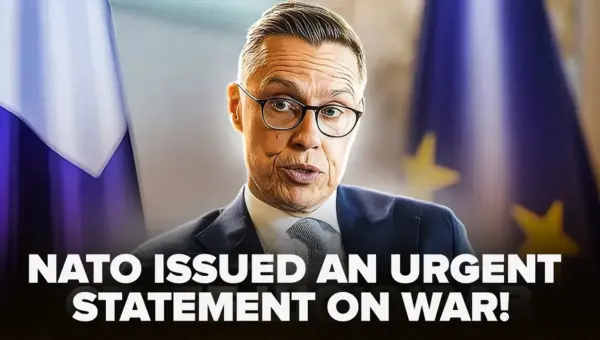
Ukraine Strikes Russian Oil Refinery, Eyes Iran Threat
Ukrainian forces struck a key Russian oil refinery, disrupting Moscow's war capabilities. Meanwhile, Finland's president urged continued U.S. support for Ukraine, as Kyiv shares its air defense expertise globally amid growing geopolitical complexities involving Iran and potential sanctions against Hungary.