Trump’s Strategy Leverages Travel Chaos for Political Gain
Former President Trump's strategy appears to be capitalizing on widespread travel disruptions and public frustration. Commentators suggest that the current chaos, coupled with perceived Democratic missteps, is playing into Trump's political narrative and bolstering Republican positioning. The debate also touches on legislative tactics like reconciliation as a means to advance political agendas.

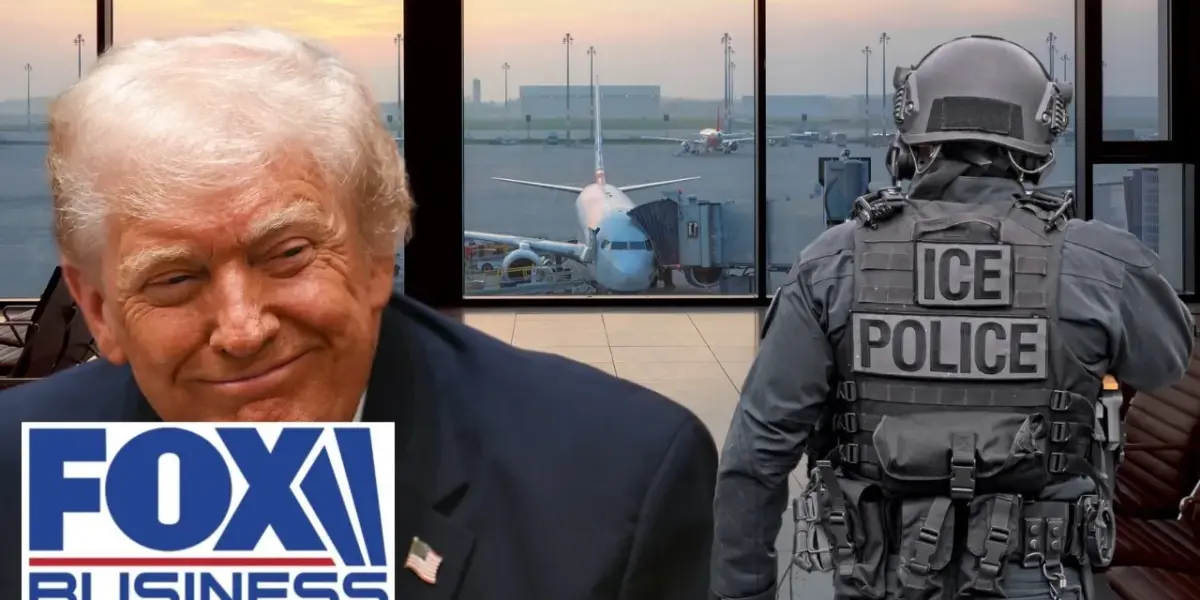
Travel Woes Fuel Political Firestorm as Trump’s Strategy Appears to Pay Off
Widespread travel disruptions, particularly at airports, are creating significant frustration for Americans. Long security lines and passenger backlogs are becoming a common sight, leading many travelers to express their discontent. This chaos is not just affecting ordinary citizens; airline CEOs have also voiced their concerns, with the CEO of Delta noting that the disruptions are impacting operations and potentially driving up airfare costs.
Amidst this growing frustration, former President Donald Trump has publicly criticized Republican senators for not taking more decisive action. In a Truth Social post, he questioned when “enough is enough,” urging them to consider actions similar to what “lunatic Democrats” might do, such as eliminating the filibuster and passing the “Save America Act.” Trump’s message suggests a desire for aggressive political moves to address the current situation and advance his agenda.
Travelers Speak Out Amidst Delays
At airports like National, travelers are feeling the impact directly. One traveler expressed frustration, stating, “This isn’t working right now.” Another urged politicians to “get yourself together and do the work of the people that we put you in office to do.” Some observers believe these public displays of frustration are being used for fundraising purposes. However, the anger is clearly directed at politicians for the ongoing issues, not at law enforcement like ICE agents who are seen by some as just doing their jobs.
The situation highlights a broader political narrative. A guest on a news program discussed the optics of the current political climate, suggesting that Republicans need to win the narrative battle. Comments portraying ICE as “terrorizing people” are seen as counterproductive and potentially aiding Democrats in the optics department. This perspective argues that actions like ICE agents handing out water to travelers are smart moves, improving ICE’s image and playing into Trump’s strategy.
Political Strategy and Optics
Todd Piro, a commentator, suggests that the current travel chaos and the political responses are playing directly into former President Trump’s hands. He describes the situation as a “masterstroke” from both a journalistic and an optics perspective. The idea is that by highlighting these issues and the perceived inaction of some politicians, Trump can rally his base and pressure opponents.
Karl Rove, in a piece for The Wall Street Journal, also weighed in, calling Democrats Donald Trump’s biggest asset. He pointed to polling data showing Democrats in a weaker position than Republicans. Rove suggests that the current political missteps by Democrats, such as their handling of the workforce and critical issues, are alienating voters. He believes that Democrats, seeking the spotlight, often make statements that allow Republicans to gain an advantage.
The Filibuster Debate and Legislative Tools
The discussion also touches on legislative strategies, specifically the filibuster. Trump has long advocated for its elimination. Some suggest using legislative mechanisms like reconciliation, a process that allows certain bills to pass with a simple majority in the Senate, thus avoiding the filibuster. This approach could be tied to issues like the “Save Act” and potentially fund initiatives like the $200 billion Trump sought for defense.
The argument is that by strategically using reconciliation, Republicans can achieve their goals without giving Democrats leverage over the filibuster. This tactic, combined with potential measures like voter ID laws, is seen as a way to ensure Republican victories in future elections, potentially securing control of both the House and the Senate. The core idea is to use existing governmental tools to advance a political agenda while capitalizing on public dissatisfaction and perceived Democratic missteps.
Market Impact and Investor Takeaways
Market Impact: While this article focuses on political strategy and public sentiment, the underlying issues causing travel disruptions can have economic consequences. Significant delays and operational inefficiencies for airlines can impact their profitability. Furthermore, prolonged political gridlock or the implementation of drastic policy changes, such as eliminating the filibuster, could introduce uncertainty into the broader market. Investors often react negatively to significant political instability or unpredictable policy shifts.
What Investors Should Know: The current political climate, as described, suggests a heightened level of partisan conflict. Strategies focused on leveraging public frustration, as Trump’s appears to be doing, can lead to unpredictable policy outcomes. Investors should monitor how these political dynamics evolve, as they could influence sectors like transportation, government contracting, and potentially broader economic policies. Understanding the interplay between political messaging, public opinion, and legislative action is crucial for assessing potential market risks and opportunities.
Source: 'MASTER STROKE': This is 'PLAYING RIGHT INTO' Trump's plan, Todd Piro says (YouTube)

Related Articles
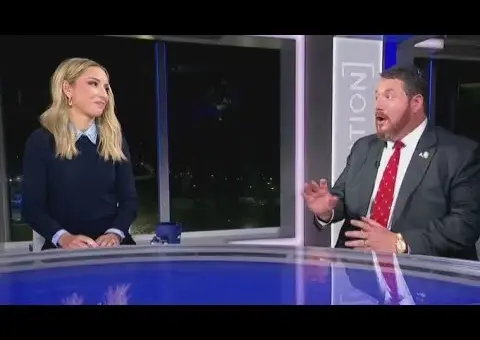
House Republicans Reject Senate Deal, Sparking Government Funding Clash
House Republicans have rejected a Senate bill to end the government shutdown, citing insufficient border security measures. Congressman Randy Fine called the Senate deal a "disgrace" and highlighted the ongoing fight for full government funding. President Trump's executive order to pay TSA agents offers temporary relief, but the core disagreement over border security continues to paralyze Washington.
Voter ID: Common Sense or Suppression?
A growing debate surrounds voter ID laws, with proponents calling them a common-sense measure against fraud and opponents fearing voter suppression. Many countries and U.S. states already require ID to vote.
Trump’s Name Everywhere: A ‘Stain’ on GOP Legacy?
Former President Donald Trump's efforts to brand national symbols, including a proposed signature on dollar bills, spark debate. Critics view this as an authoritarian attempt to embed his legacy, potentially staining the Republican Party's history and contrasting with democratic ideals of public ownership.