Trump’s Strait of Hormuz Blockade Plan Faces Major Hurdles
Former President Trump's threat to blockade the Strait of Hormuz faces significant legal and practical obstacles, according to an expert. Iran's control over key areas and potential international law violations complicate the U.S. Navy's ability to enforce such a blockade. The stalled nuclear talks and the risk of further escalation remain central concerns.

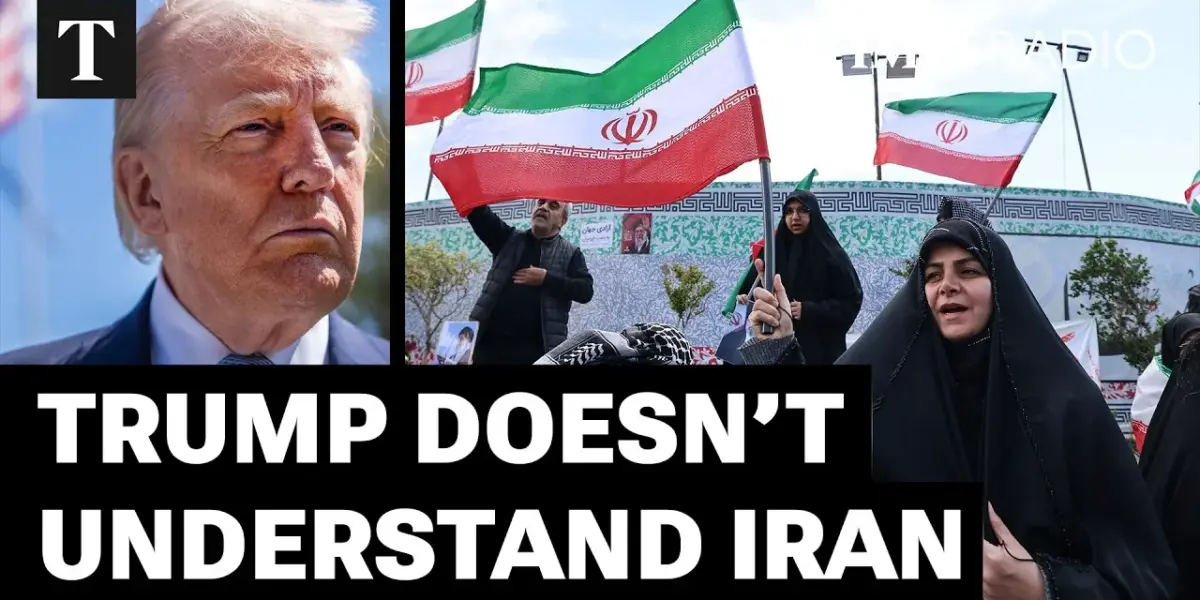
US Navy Blockade of Strait of Hormuz Faces Significant Challenges
Former President Donald Trump has threatened to use the U.S. Navy to blockade the Strait of Hormuz, a vital waterway for global oil transport. This move comes after recent talks aimed at addressing Iran’s nuclear program and regional tensions reportedly stalled. While Trump stated the U.S. Navy would block ships entering or leaving the strait, experts believe this plan faces serious practical and legal difficulties.
Negotiations Collapse, Trump Issues Threat
Discussions between the U.S. and Iran, which lasted about 21 hours, failed to yield a breakthrough on Iran’s nuclear ambitions. Trump, expressing anger over the lack of progress, announced on social media that the U.S. Navy would begin blockading any ships attempting to use the Strait of Hormuz. He claimed this action was necessary despite the talks, as no agreement was reached on Iran’s nuclear program.
According to JD Vance, who was involved in the negotiations, the core issue was the lack of an “affirmative commitment” from Iran that it would not pursue nuclear weapons or the means to develop them quickly. “This is the core goal of the president of the United States and that’s what we’ve tried to achieve through these negotiations,” Vance stated.
Iran Highlights Remaining Gaps and Complications
An official from Iran’s foreign ministry, Esme Bagghai, indicated that significant gaps remain on “two or three areas.” He also pointed to the complex nature of the issues discussed, noting that new topics, including the Strait of Hormuz and regional security, were added to the agenda. These subjects, he explained, have their own unique conditions and requirements.
Expert Analysis: Blockade Plan’s Feasibility Questioned
Yassamine Mather, an expert on Iran from the University of Oxford’s Middle East Centre, shared her insights on Trump’s threat. “In theory, this can be done,” Mather acknowledged, recognizing the U.S. Navy’s military power. However, she outlined several major problems with the plan.
Mather pointed out that Iran would likely argue such a blockade violates international law. More significantly, Iran controls about 300 kilometers of rugged coastline at the crucial point of the Strait of Hormuz, making a complete blockade extremely difficult to enforce. “It will be very difficult,” she stated.
Iran’s Potential Response and Coalition Concerns
While Mather does not anticipate Iran engaging in a direct naval confrontation due to the significant power imbalance, she believes Iran could still cause damage. Iran might attempt to divide the international coalition Trump seeks to build by assuring European and other nations that their ships would be allowed passage. “That might divide the alliance that Trump wants to produce,” Mather explained.
Risk of Escalation and the End of Ceasefire
The potential blockade raises concerns about whether it would be perceived as an act of war by Iran, potentially ending any existing ceasefire. Both sides, Mather suggests, are wary of further conflict. Iran has suffered severe damages from previous conflicts, and while weaker, its survival over 40 years has been significant. The U.S. also faces reputational challenges if a prolonged conflict were to occur.
Mather predicted that if a ceasefire ends, serious escalation could follow, as Trump has threatened. However, she believes this point has not yet been reached and that there are still a few days for further negotiations. The appetite for continuing a full-scale war appears reduced on both sides.
Expertise Gap in Negotiations
Mather also questioned the level of expertise present during the recent U.S.-Iran talks. While acknowledging JD Vance’s opposition to war, she noted his lack of diplomatic experience. “I don’t think the current administration listens to those who do understand Iran,” she commented, suggesting that the complexity of the situation is underestimated.
She recalled how Israel’s belief that the death of Ayatollah Khomeini would lead to regime change proved incorrect. Mather expressed surprise at Iran’s ability to survive sanctions and conflicts over the past 40 years, calling its survival a “miracle” despite facing powerful adversaries. This resilience, she warned, might give Iran a false sense of advantage.
Stalemate and High Stakes
If escalation occurs, the current stalemate might not continue, making the stakes extremely high for Iran. For the U.S., this represents another potential conflict, likely considered less critical than other global issues.
Misunderstanding the Nuclear Stalemate
Regarding the abrupt end of the talks, Mather noted that 21 hours, even with breaks, is a short time to resolve decades of complex issues. The initial optimism about the meeting seemed misplaced, given the deep divisions on the nuclear enrichment issue. It would have been nearly impossible to find a solution.
Iranian factions reportedly opposed concessions on the nuclear issue, preventing their delegation from accepting new demands. While they might agree to reduce enrichment levels, reaching zero enrichment would be seen internally as a major loss, akin to losing a war. “And that’s a big price to pay,” Mather stated.
Pride and National Interest Drive Enrichment Stance
Mather explained that Iran’s insistence on enriching uranium, even when not currently capable of building a weapon, stems from national pride and a desire to avoid losing face. She suggested that controlling the Strait of Hormuz might be seen as a greater strategic victory for Iran than conceding on the nuclear issue. Refusing to enrich uranium could empower internal opponents who would accuse the leadership of “selling out.”
Potential Return to JCPOA?
When asked if the situation might ultimately lead back to a version of the Joint Comprehensive Plan of Action (JCPOA), the nuclear deal brokered under the Obama administration, Mather found the idea ironic. She believes both sides must actively seek a solution for resolution.
Mather mentioned that Iran has proposed sending some of its enriched uranium to a third country, indicating room for maneuver. She speculated that the U.S. administration, having announced a ceasefire, might be facing pressure from Israel, which is also a factor to consider.
Israel’s Role and Iran’s Regional Standing
Finally, Mather addressed Israel’s recent actions, including bombings in Lebanon, even during the ceasefire period. She does not believe that a potential deal between Israel and Lebanon would further isolate Iran. While Hezbollah’s attacks on Israel were helpful to Iran, they were not crucial. Iran’s ability to confront a more powerful enemy using lower-level drones in large numbers was the key factor, not the quantity versus quality of U.S. weaponry.
A loss in this area would not be dramatic enough to convince Iran to make a deal. “It will not change. It will not convince Iran to then go and make a deal,” Mather concluded.
Source: Trump’s Threat To Block Strait Of Hormuz Faces ‘Serious Problems’ | Yassamine Mather (YouTube)

Related Articles

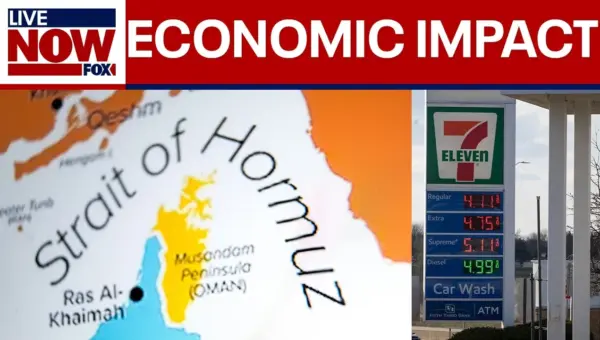
Trump Orders Strait of Hormuz Blockade, Risks Global Oil Shock
President Trump has ordered the U.S. Navy to blockade the Strait of Hormuz, a critical global oil transit point, sparking fears of soaring energy prices and inflation. This strategic move aims to exert pressure on Iran and China, while also addressing domestic economic concerns ahead of midterm elections.

Iran’s Strait of Hormuz Blockade Shifts Global Oil Power
Iran's control over the Strait of Hormuz, a vital global oil route, is shifting economic power dynamics. As former President Trump declared a U.S. naval blockade, experts highlight Iran's effective use of this physical choke point, challenging U.S. financial leverage and potentially forcing negotiations under duress.

US Tightens Grip, Eyes Regime Change in Iran
John Bolton argues that the recent ceasefire with Iran was a mistake and advocates for a renewed military strategy. His proposal includes reopening the Strait of Hormuz and maintaining a blockade on Iranian oil to pressure the regime, with the ultimate goal of regime change.