Trump’s State of the Union Marked by Dissent and Disruption
President Donald Trump's State of the Union address was marked by significant dissent from Democratic lawmakers, including visual protests and vocal interjections. Critics condemned his rhetoric on immigration, while supporters defended his policies.

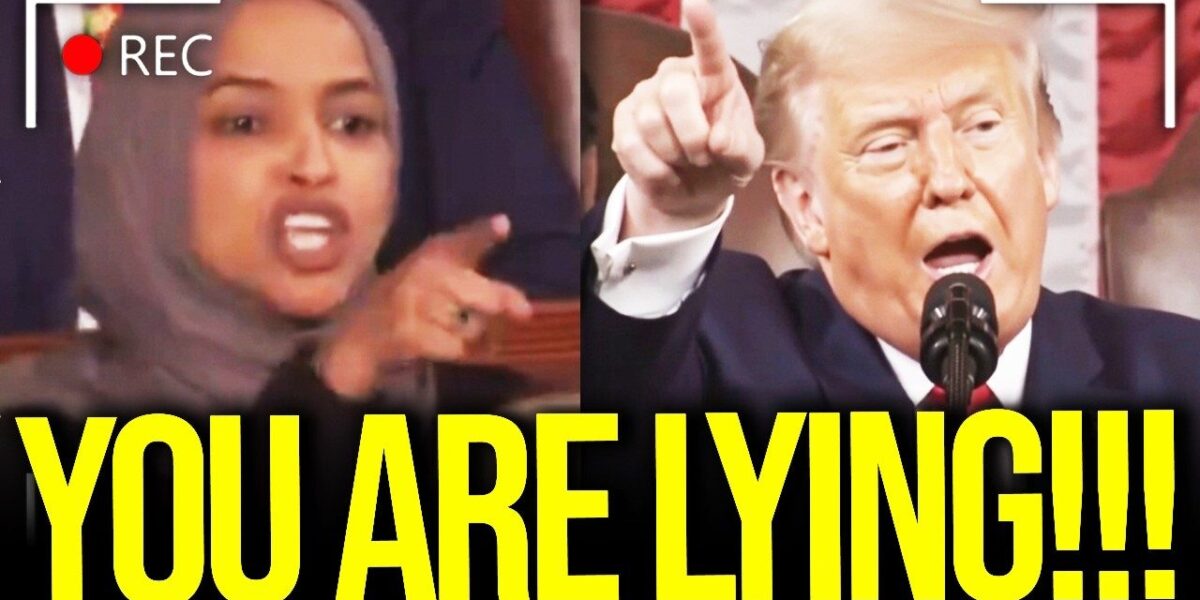
Chaos Erupts During Trump’s State of the Union Address
Washington D.C. – President Donald Trump’s recent State of the Union address was punctuated by notable dissent and disruption from members of Congress, as highlighted in recent commentary. The address, intended to outline the administration’s agenda and achievements, instead became a stage for pointed criticisms and visual protests from Democratic lawmakers, underscoring a deep division within the legislative body.
Congressional Opposition Makes Its Presence Felt
The atmosphere within the House chamber was visibly tense as President Trump delivered his remarks. Several Democratic representatives employed symbolic gestures to voice their opposition. Representative Al Green drew significant attention by holding a sign directly facing the President that read, “Black people are not apes.” This act was met with a physical response from Representative Steve Scalise, who reportedly attempted to remove the sign, creating a moment of confrontation captured by cameras. The visual of the sign juxtaposed with the President’s presence was described as a powerful statement.
Further illustrating the divided reception, Representative Rashida Tlaib was observed wearing an “ICE” pin, a detail noted as potentially provocative to Republican members. Adding to the visual narrative of disengagement, Representative Tom Suozzi appeared to fall asleep during the President’s speech. Footage focused on Suozzi showed him with his eyes closed, a Ukraine pin and an American flag pin visible on his lapel, during a moment when President Trump was speaking.
Accusations of Divisive Rhetoric and Policy Critiques
Commentary surrounding the address focused heavily on President Trump’s rhetoric, particularly his remarks concerning immigration and specific communities. The President’s statements, which linked the Somali community to crime and lawlessness, were met with strong criticism. He stated, “The Somali pirates who ransacked Minnesota remind us that there are large parts of the world where bribery, corruption, and lawlessness are the norm, not the exception. Importing these cultures through unrestricted immigration and open borders.”
This framing was immediately challenged by lawmakers and commentators. Representative Ilhan Omar and Representative Rashida Tlaib were noted for their vocal reactions during this segment. Omar was quoted directly shouting at the President, “You have killed US citizens,” referencing specific individuals, Alex Prey and Reneg Good, who were reportedly murdered in Minneapolis. This accusation directly linked the President’s policies and rhetoric to fatal outcomes.
“This is absolutely disgusting and despicable. … Immigrants commit crimes at lower rates than nativeborn US citizens. This is just a fact.”
The critique extended to the broader implications of the President’s immigration policies. A strong counter-argument was presented, asserting that immigrants commit crimes at lower rates than native-born citizens. The argument posited that the President’s view of immigration was “one-sided, superficial, fake,” and failed to acknowledge the contributions of immigrants to the economy and society. Personal anecdotes were shared, illustrating how immigrant communities have enriched areas like Indiana and contributed to professions such as medicine and entrepreneurship.
Broader Context: Unpopularity and Policy Doubling Down
The commentary suggested that President Trump’s approach during the State of the Union was part of a broader strategy to “double down on all of his shittiest policies.” This was framed within the context of his reported “uniquely unpopular” standing, exacerbated by events like the January 6th Capitol riot and controversies surrounding the Epstein files. The narrative presented was one of a president facing declining approval, yet choosing to reinforce policies that critics argue are harmful and divisive, particularly regarding immigration and law enforcement actions by ICE.
Specific policy criticisms included the administration’s stance on “sanctuary cities” and the alleged role of ICE in deaths. The President was accused of pardoning individuals involved in criminal activities, including drug trafficking and violent offenses, which critics argue demonstrates a pro-crime stance rather than a focus on public safety. The commentary emphasized that these policies and the President’s rhetoric are expected to face significant backlash in upcoming elections.
Looking Ahead: Midterm Elections and Political Accountability
The events and criticisms surrounding this State of the Union address are being framed as indicators of the political climate leading into future elections. The commentary suggests a strong resolve among opponents to “exercise our right to vote them out and we are going to take back our country.” The focus remains on holding the administration accountable for its policies and rhetoric, particularly concerning immigration, crime, and the impact on American society. The coming months will likely see continued debate and political maneuvering stemming from these deeply entrenched divisions.
Source: Trump LOSES CONTROL during his OWN SPEECH! (YouTube)

Related Articles
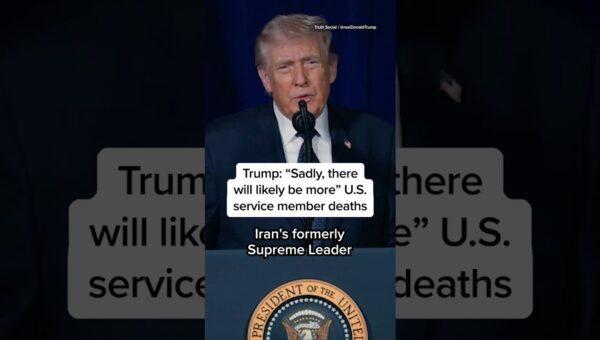
Trump Warns of More US Deaths in Escalating Conflict
Former President Donald Trump issued a somber warning on Truth Social, stating that further U.S. service member deaths are "likely" as geopolitical tensions escalate. He condemned Iran's former supreme leader, Ayatollah Ali Khamenei, and vowed retribution for fallen soldiers.

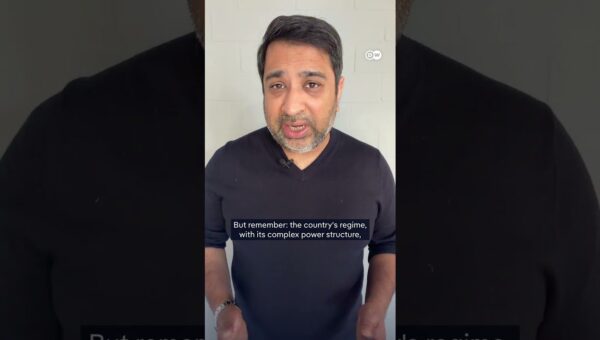
Trump Threatens “Unseen” Force on Iran After Leader’s Death
Following the assassination of Supreme Leader Ayatollah Ali Khamenei, U.S. President Donald Trump has vowed to unleash unprecedented force on Iran. While outlining ambitious goals including regime change, experts express skepticism about the effectiveness of airstrikes and the potential for popular uprising against a resilient Iranian government.
Senator Coons Questions Trump’s Iran Strategy After Troop Deaths
Senator Chris Coons has sharply criticized President Trump's strategy in Iran following the deaths of three U.S. service members. Coons questioned the intelligence regarding Iran's nuclear proximity and the lack of clear strategy and congressional debate for the "war of choice."